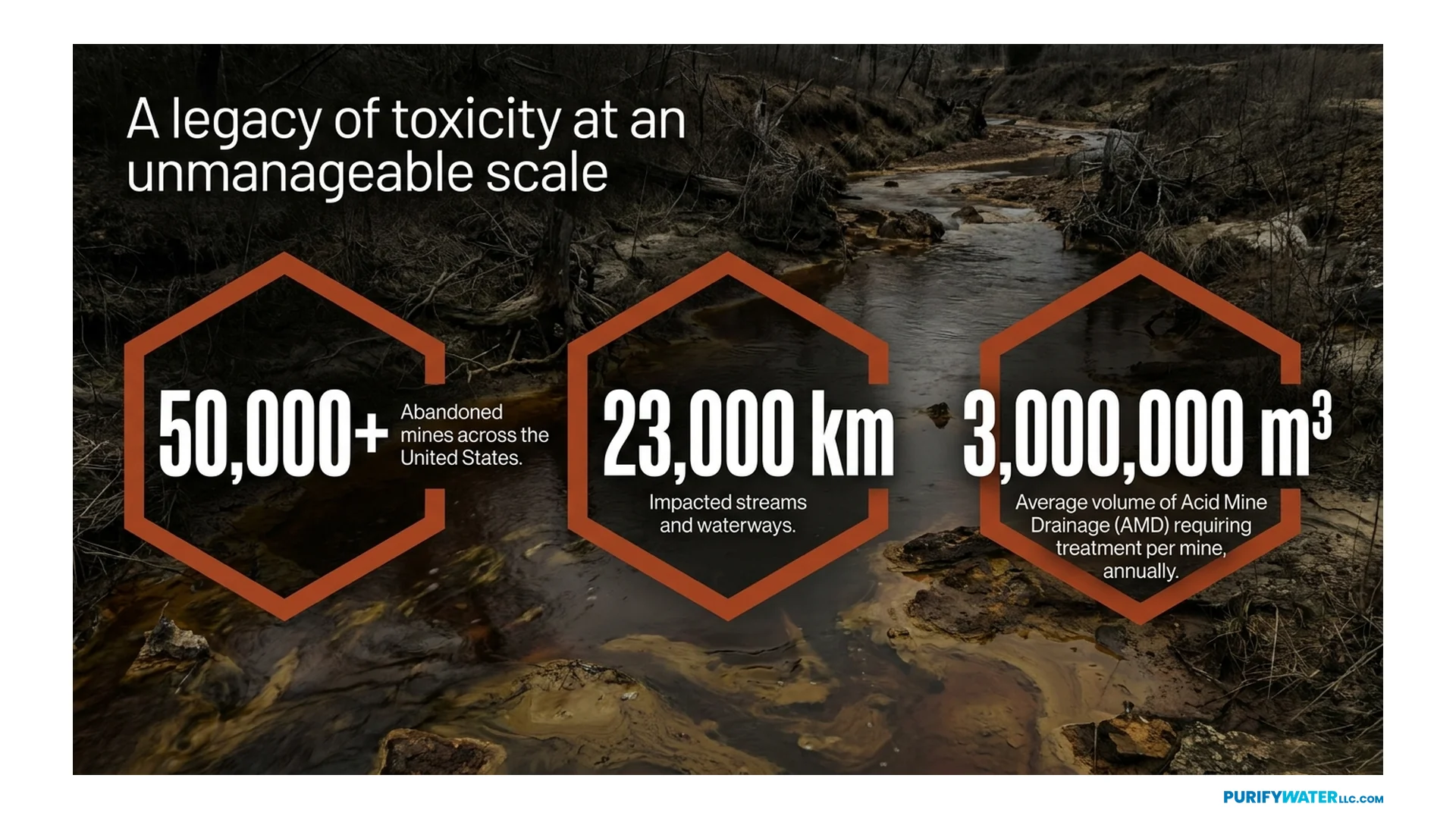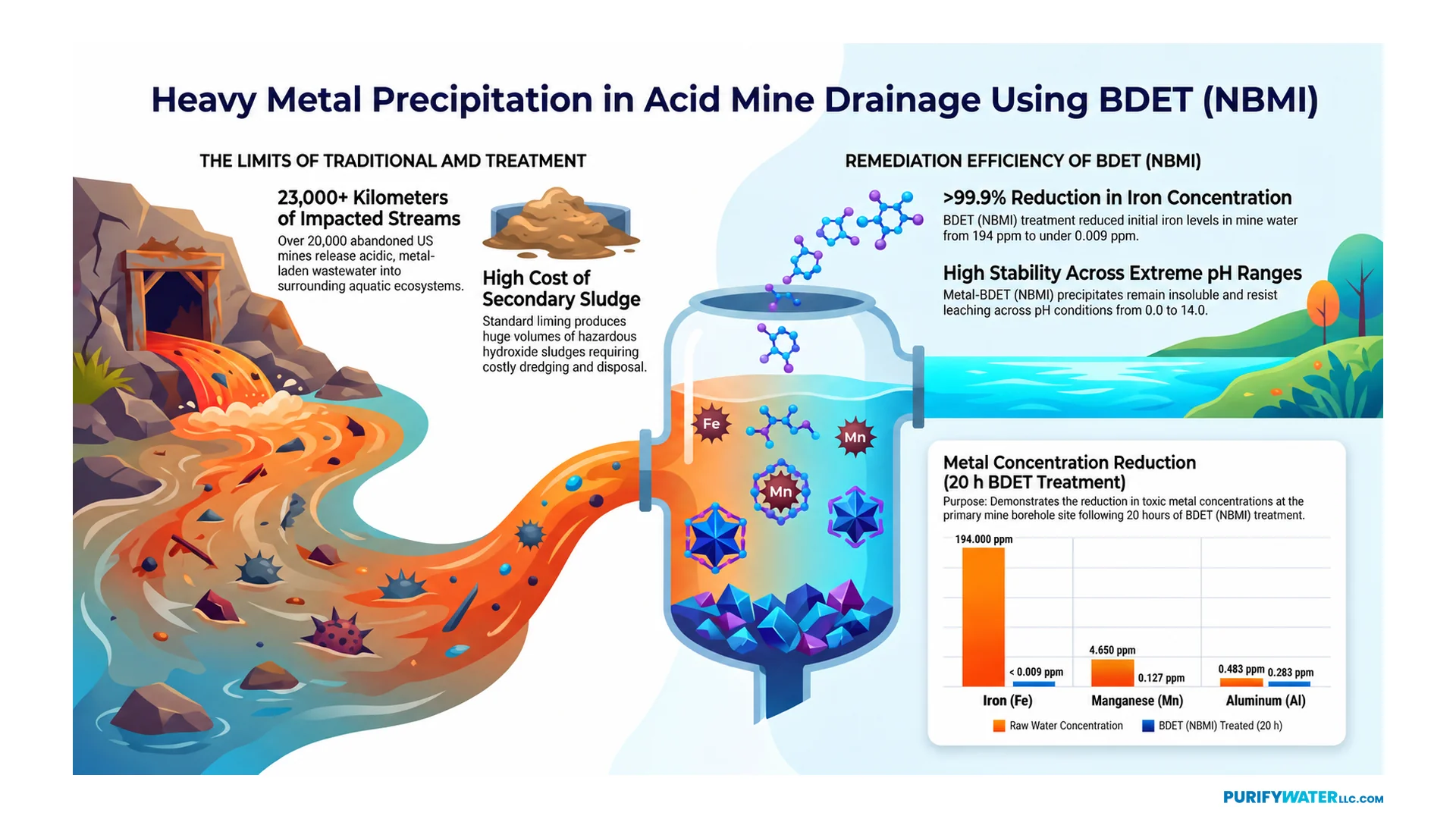
Across North America, thousands of subterranean cauldrons are leaking a quiet, relentless poison. Between 20,000 and 50,000 abandoned mines sit dormant across the United States alone—chemical time bombs continuously discharging toxic Acid Mine Drainage (AMD) into local watersheds. This corrosive runoff has already poisoned over 23,000 kilometers of American streams, lacing pristine aquatic ecosystems with toxic dissolved heavy metals that threaten regional drinking water supplies.
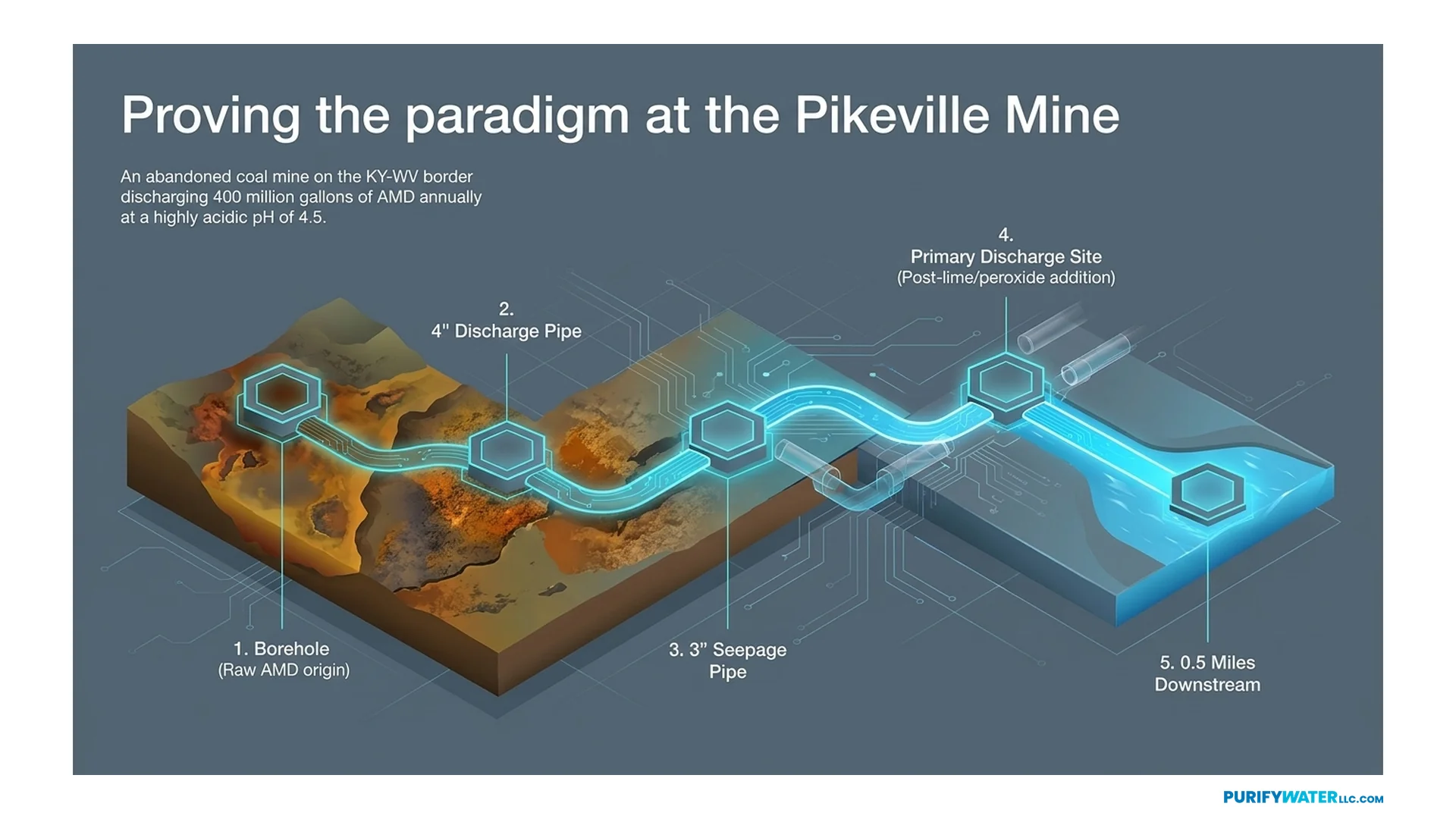
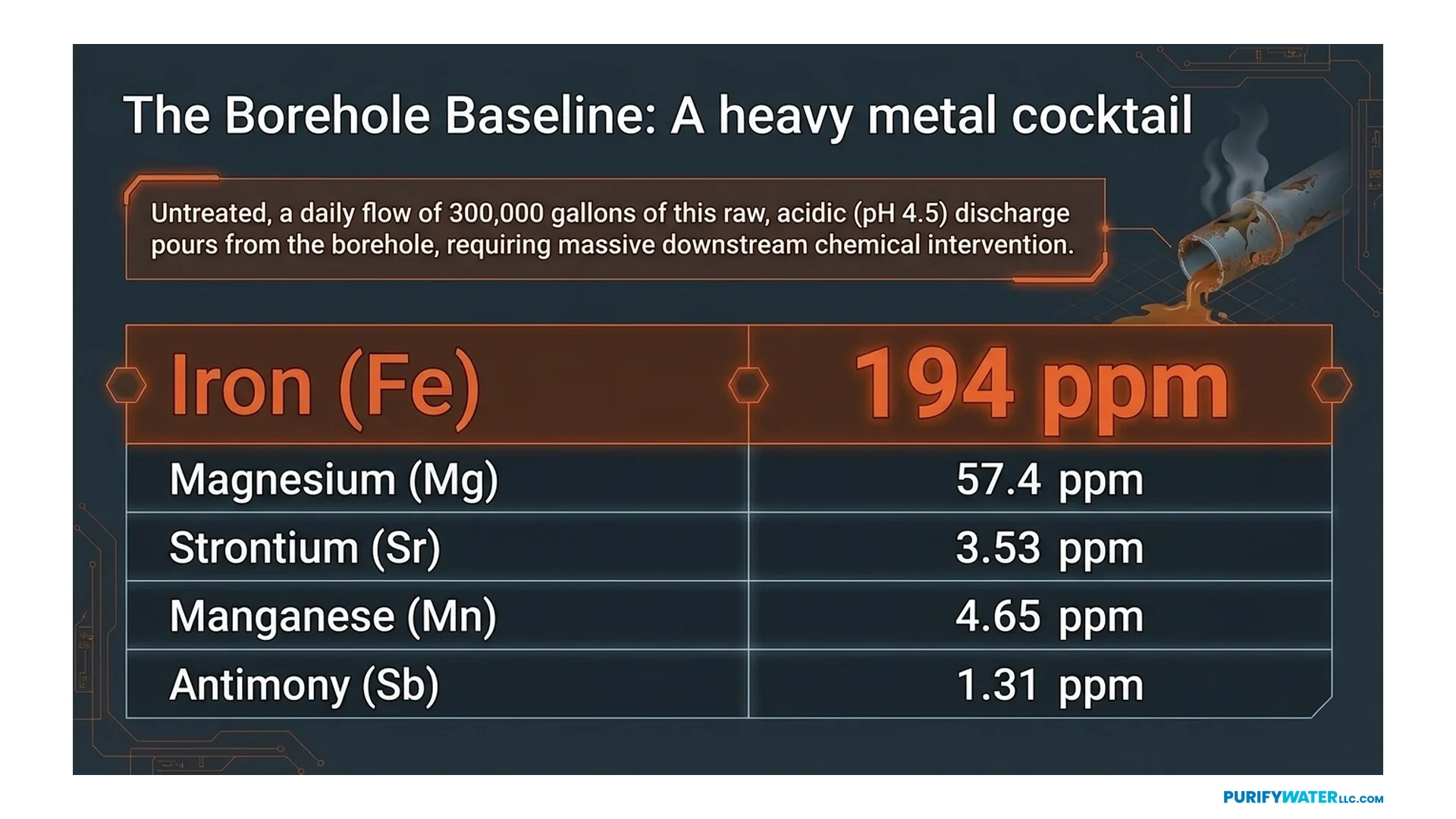
Consider the real-world crisis at an abandoned coal mine in Pikeville, Kentucky. In a 2002 study published in Water Research, “Chemical precipitation of heavy metals from acid mine drainage,” University of Kentucky researchers Matlock, Howerton and Atwood documented the scale of the problem: this single site gushes an average of 300,000 gallons of toxic wastewater every day, at a corrosive pH of 4.5. To manage this relentless toxic flood, standard environmental engineering relies on brute-force chemical neutralization, dumping truckloads of fine-grained lime into collection basins. But this crude approach comes at a devastating cost: it creates vast mountains of secondary toxic sludge that operators must constantly dredge, transport, and bury.
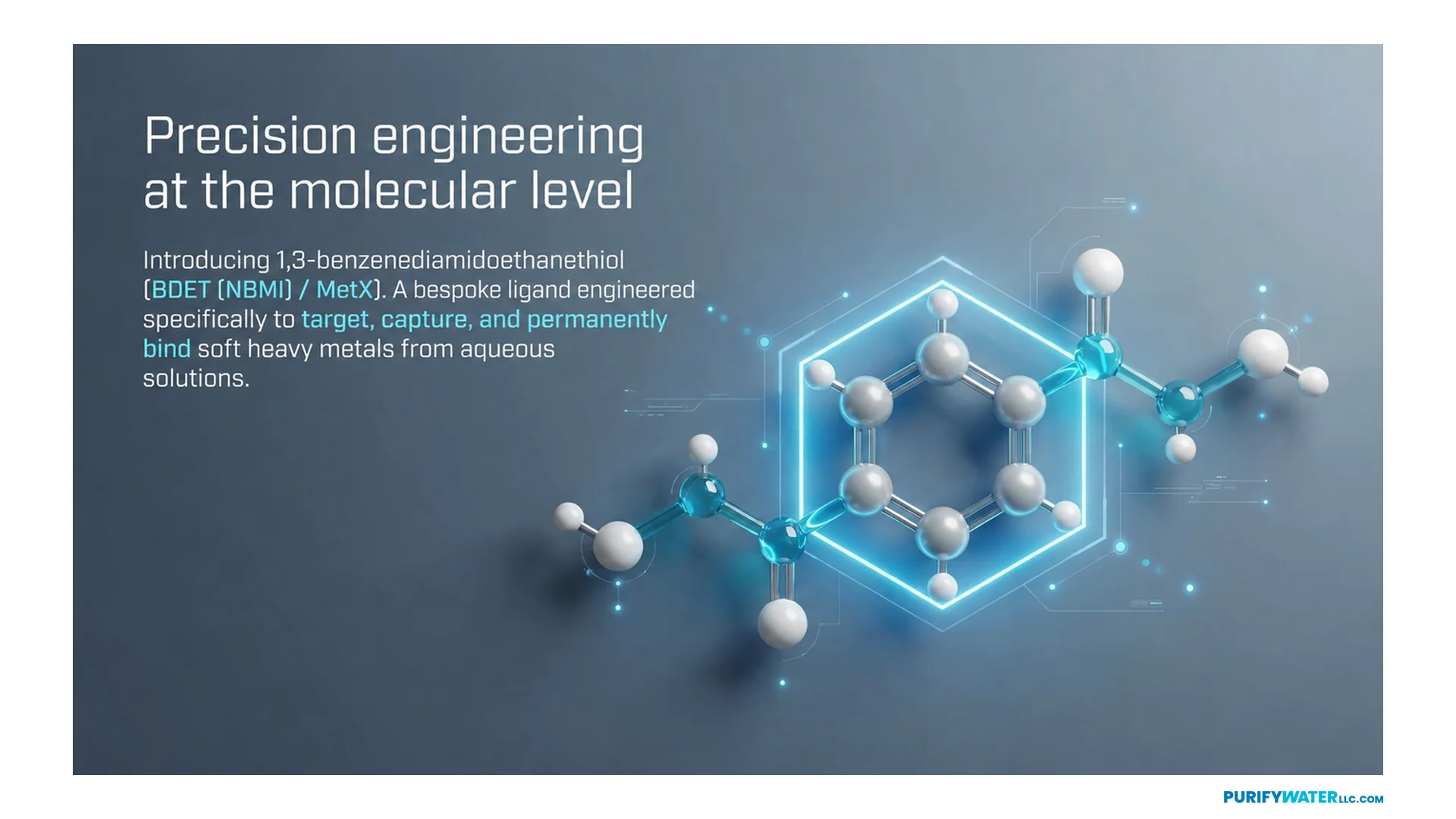
What if we could abandon this brute-force approach altogether? Imagine a targeted molecular tool—a chemical “handcuff”—capable of locking away heavy metals permanently at the subterranean source, without creating an environmental nightmare downstream. That breakthrough exists in a remarkable compound known as 1,3-benzenediamidoethanethiol (NBMI). Originally developed to selectively and irreversibly bind soft heavy metals such as mercury and lead in contaminated water, this single molecule has opened new possibilities in environmental water restoration and is now also being studied in human health research.
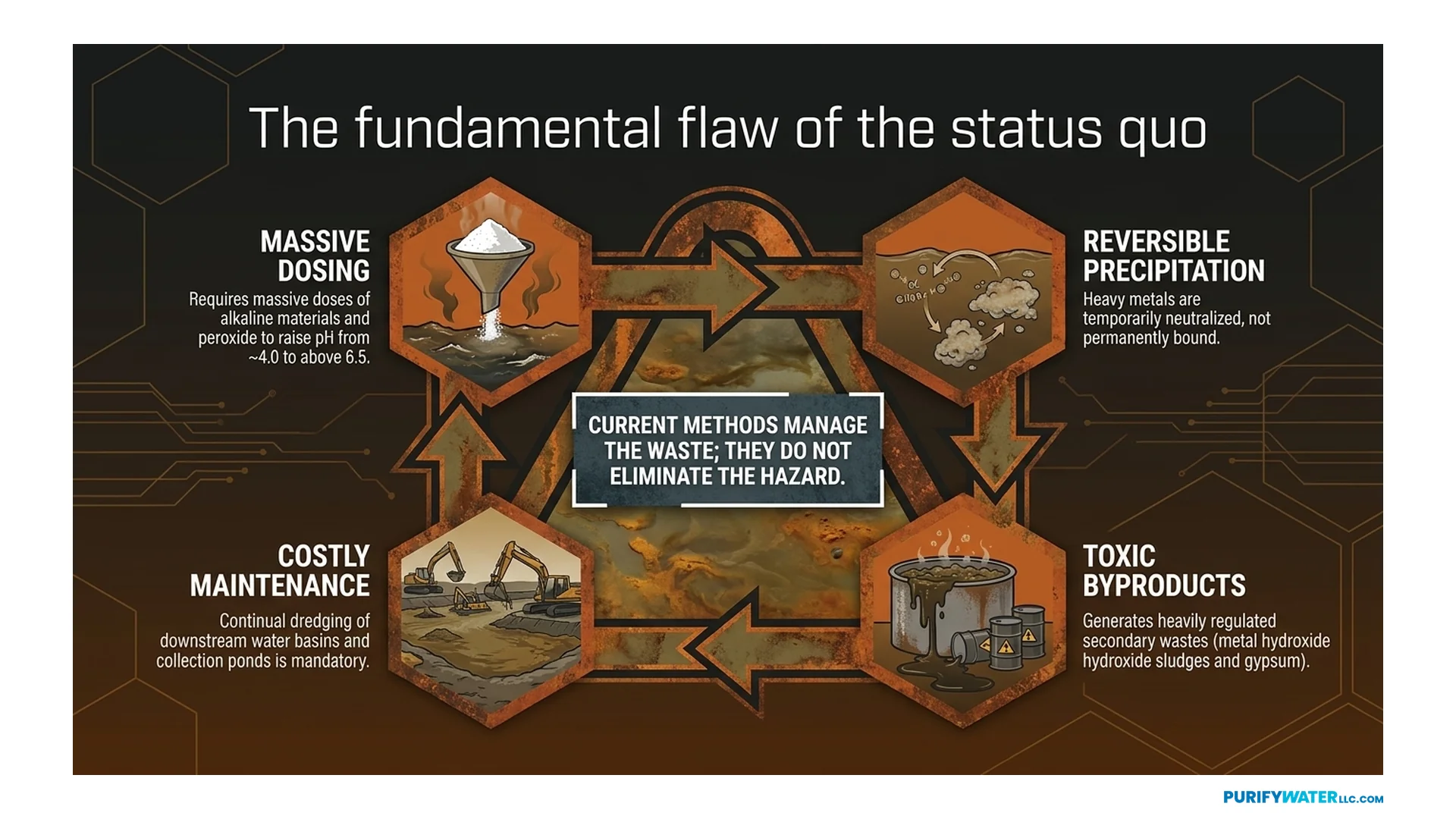
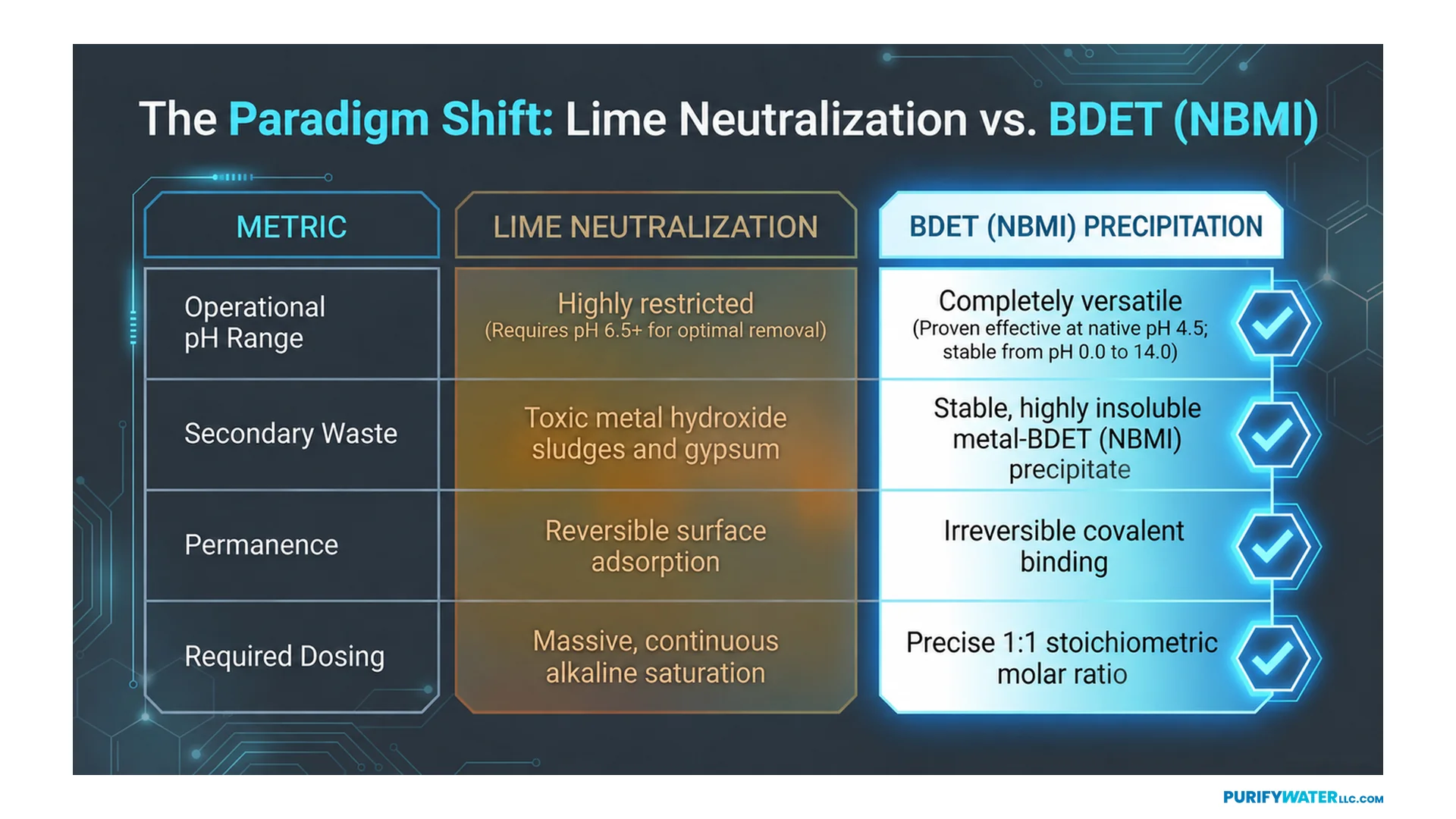
For decades, the standard industrial playbook for treating acid mine drainage has relied on lime neutralization combined with oxidative precipitation. To clean acidic mine water, remediation crews must pour in massive quantities of fine-grained alkaline material (such as hydrated lime or limestone) to raise and maintain the water’s pH—typically from around 4.0 to above 6.5—forcing dissolved iron and heavy metals to precipitate out of solution. At Pikeville, the raw borehole water averages pH 4.5, squarely in that acidic range.
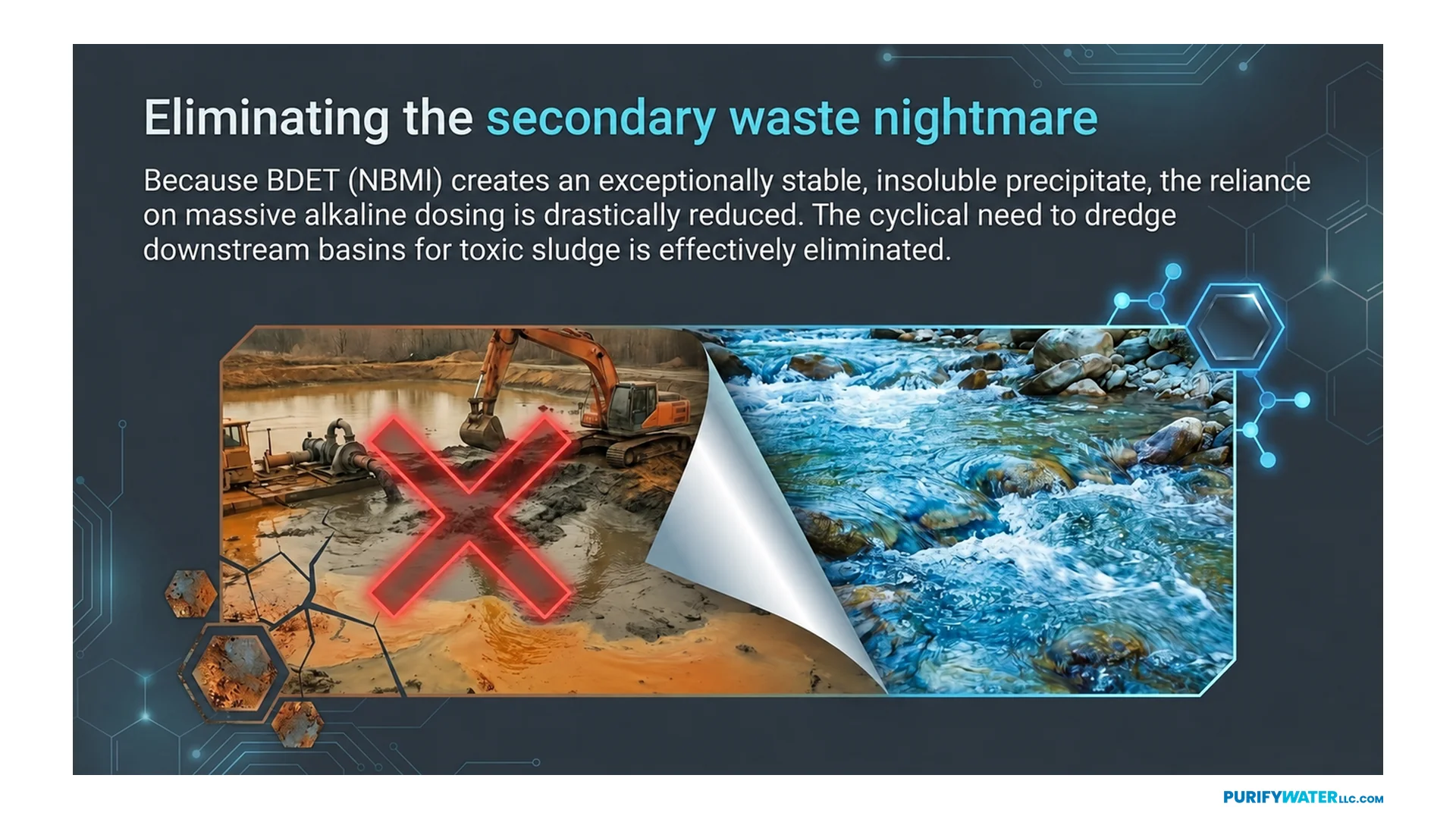
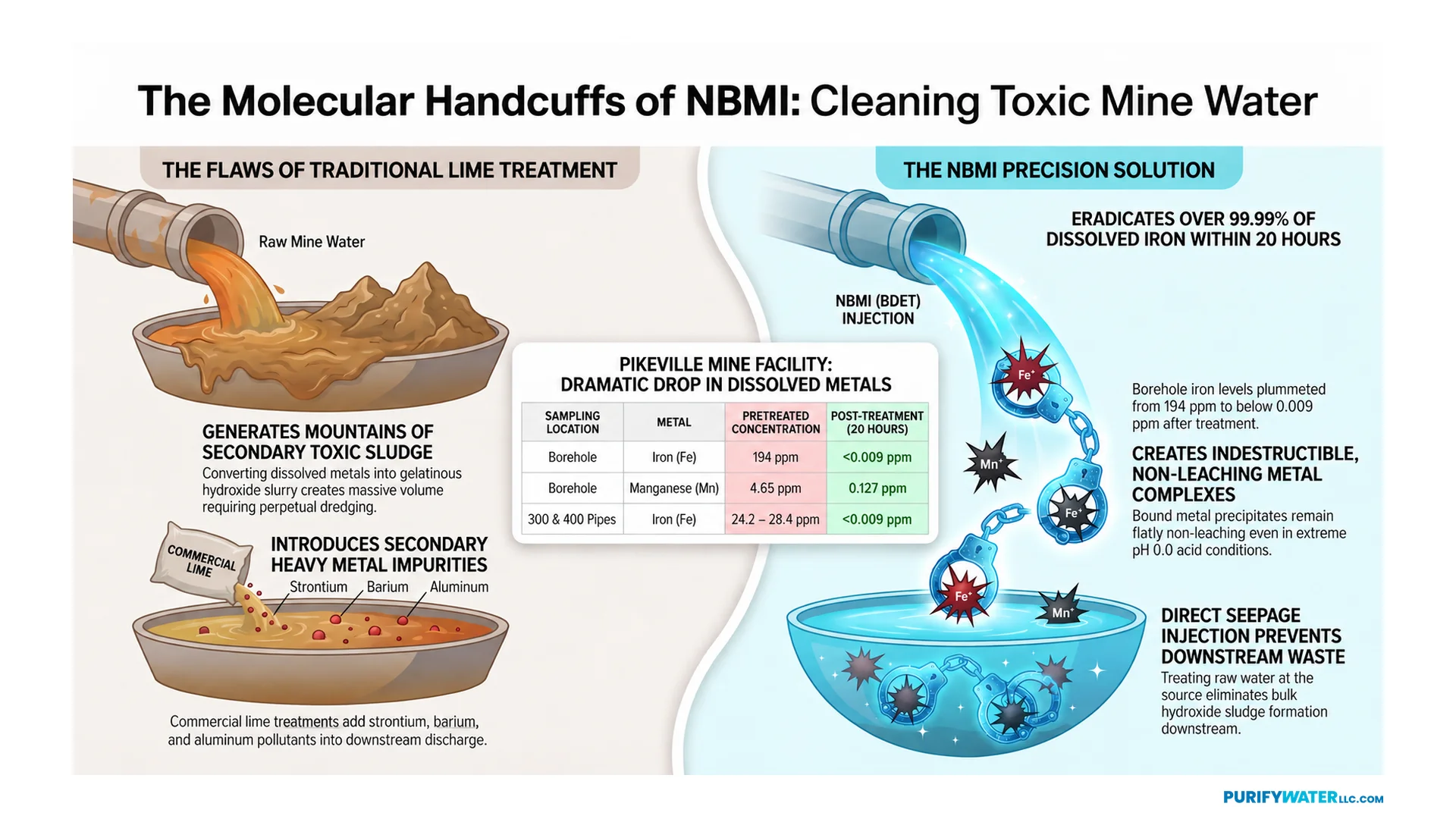
While lime is cheap up front, the process traps site operators in a self-defeating “sludge loop.” Raising pH via liming doesn’t erase the toxic metals—it merely converts dissolved ions into a gelatinous, high-volume slurry of metal hydroxides and gypsum. Imagine trying to clean a spilled gallon of paint by pouring five gallons of liquid glue over it: you end up with a vast, unstable mess that is far larger than the original spill. Collection basins and downstream ponds fill rapidly with this hazardous sludge, requiring perpetual dredging, heavy machinery operation, and expensive transport to specialized, regulated landfills.
Worse still, traditional liming acts as a dirty fix. The source data reveals that commercial lime treatments actually introduce secondary metal impurities into public waterways; downstream discharge from lime treatment at the Pikeville site showed elevated concentrations of strontium (Sr), barium (Ba), and aluminum (Al) compared to raw influent mine water. Traditional remediation does not solve the toxic threat—it merely shifts heavy metals into an unstable waste stream while adding its own chemical pollutants to the mix.
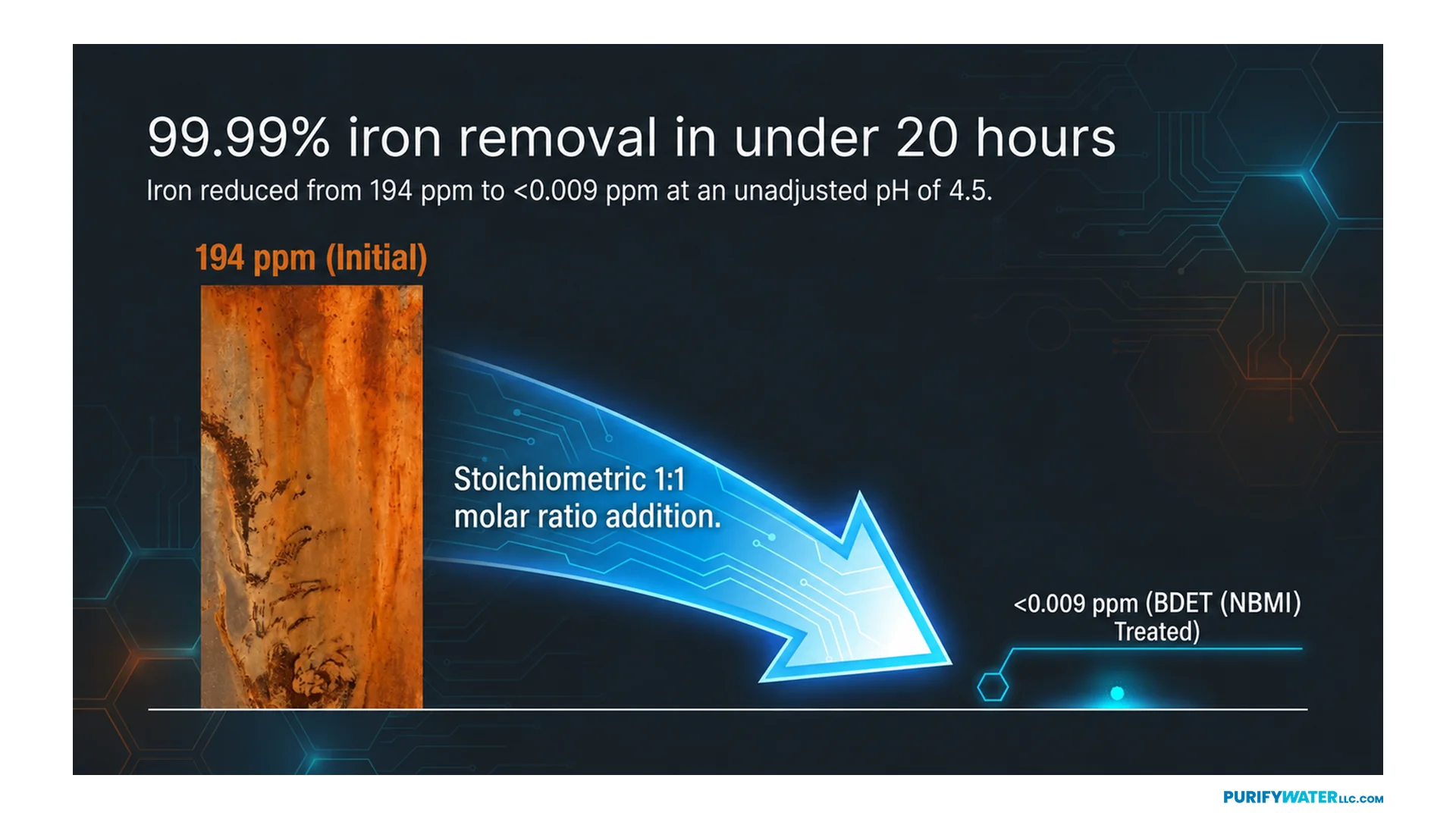
To break free from this waste cycle, researchers tested 1,3-benzenediamidoethanethiol (NBMI)—also designated as BDET (NBMI)—on raw, unfiltered mine water collected directly from the Pikeville facility. Applied as a dry solid or as its dialkali salt, Na2BDET (NBMI), at a simple 1:1 molar ratio relative to total dissolved metals, BDET (NBMI) demonstrated astonishing speed and precision in binding heavy metals right out of solution.
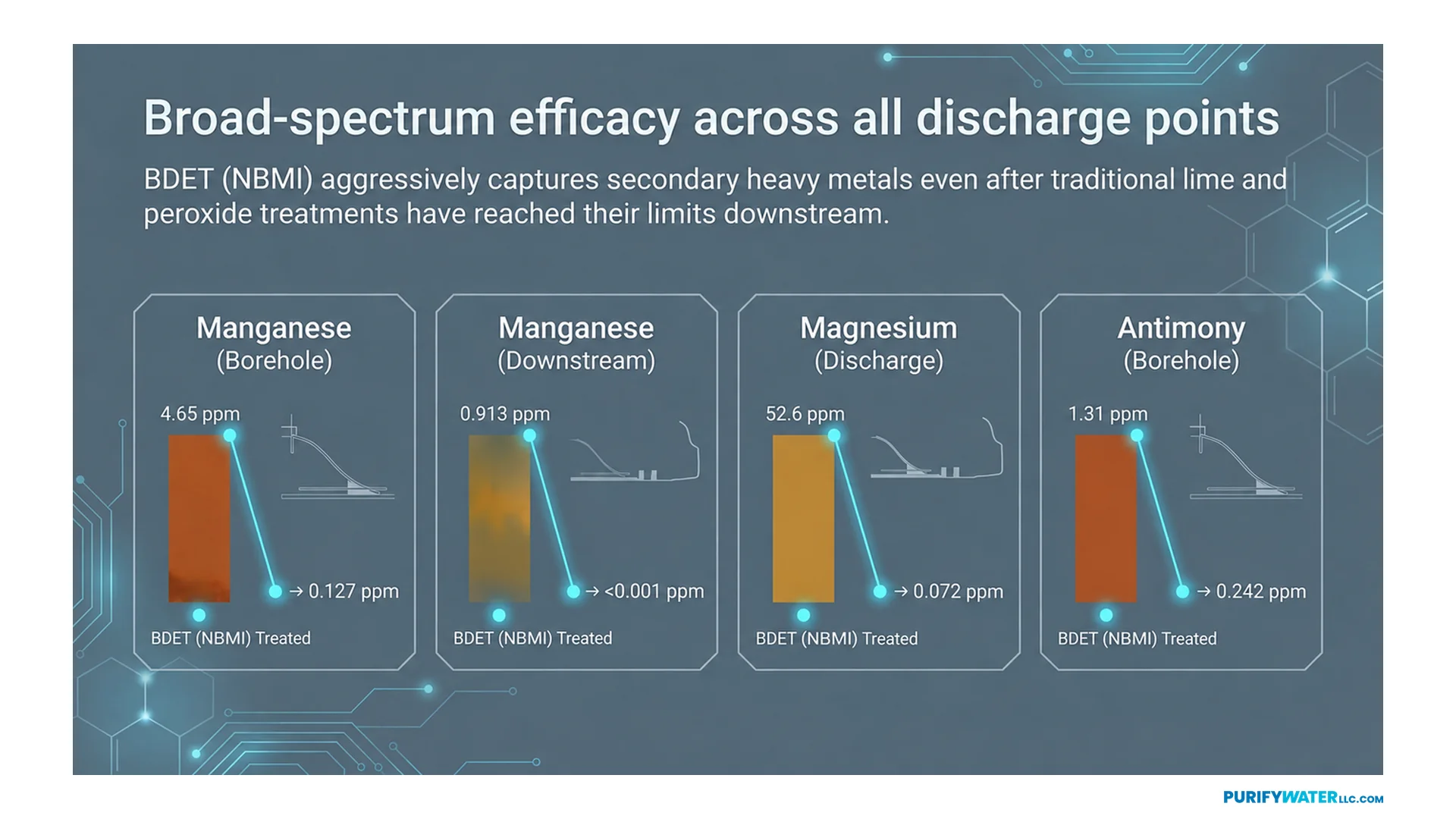
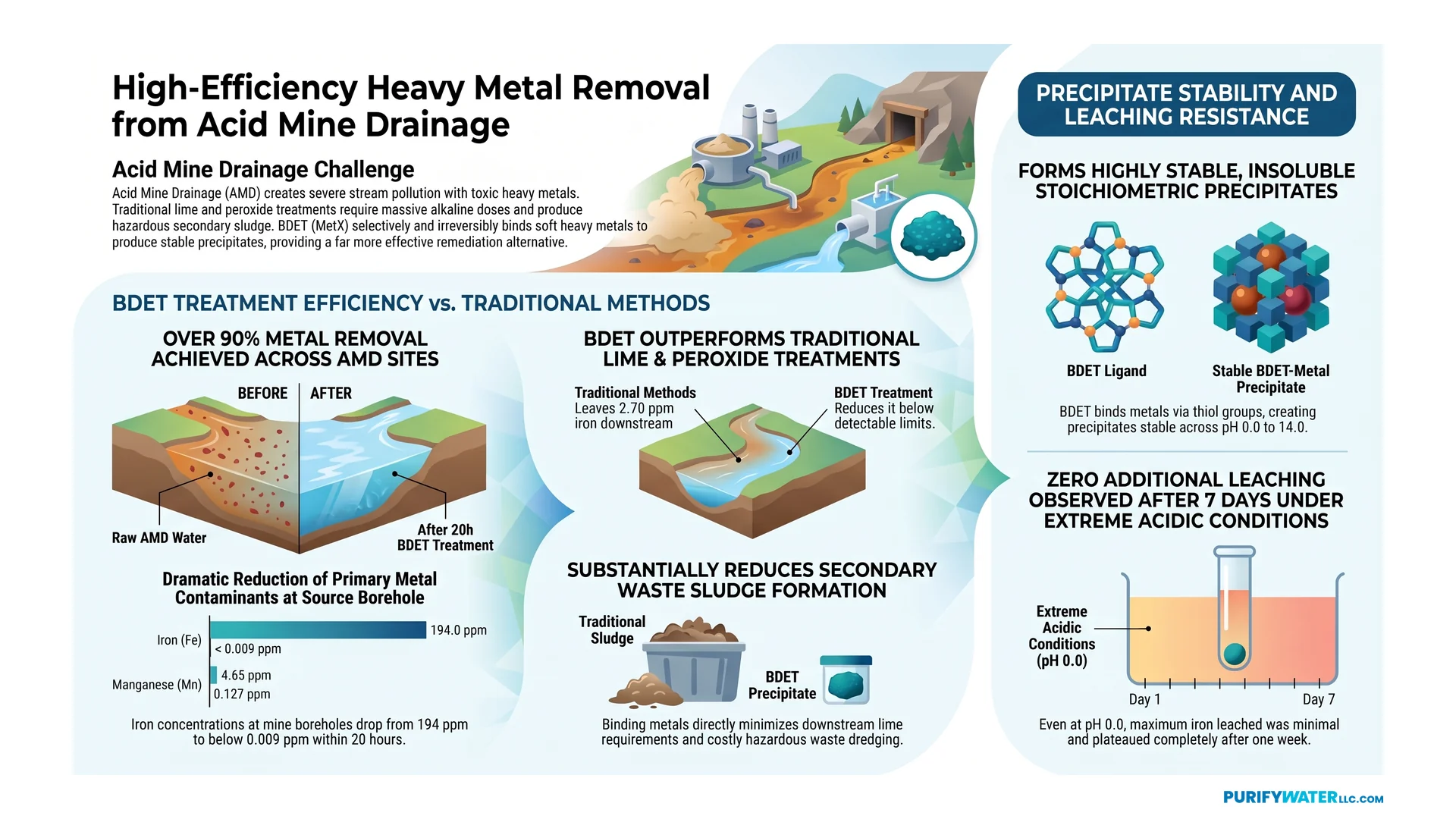
At the subterranean borehole sampling point, raw, untreated mine water registered iron concentrations averaging 194 ppm. Within just 1 hour of adding BDET (NBMI), dissolved iron plummeted to 0.896 ppm. By hour 20, iron levels had fallen below the ICP-OES detection limit of 0.009 ppm—representing a mind-boggling >99.99% metal eradication. Dissolved manganese at the borehole saw an equally dramatic collapse, dropping from an initial 4.65 ppm down to 0.127 ppm within 20 hours (and reaching <0.001 ppm at pipe and discharge sites).
| Sampling Location | Metal | Pretreated Concentration | Post-Treatment (20 Hours) |
|---|---|---|---|
| Borehole | Iron (Fe) | 194 ppm | <0.009 ppm |
| Borehole | Manganese (Mn) | 4.65 ppm | 0.127 ppm |
| 3″ Pipe / 4″ Pipe | Iron (Fe) | 24.2 – 28.4 ppm | <0.009 ppm |
| 3″ Pipe / 4″ Pipe | Manganese (Mn) | 2.18 – 2.65 ppm | <0.001 ppm |
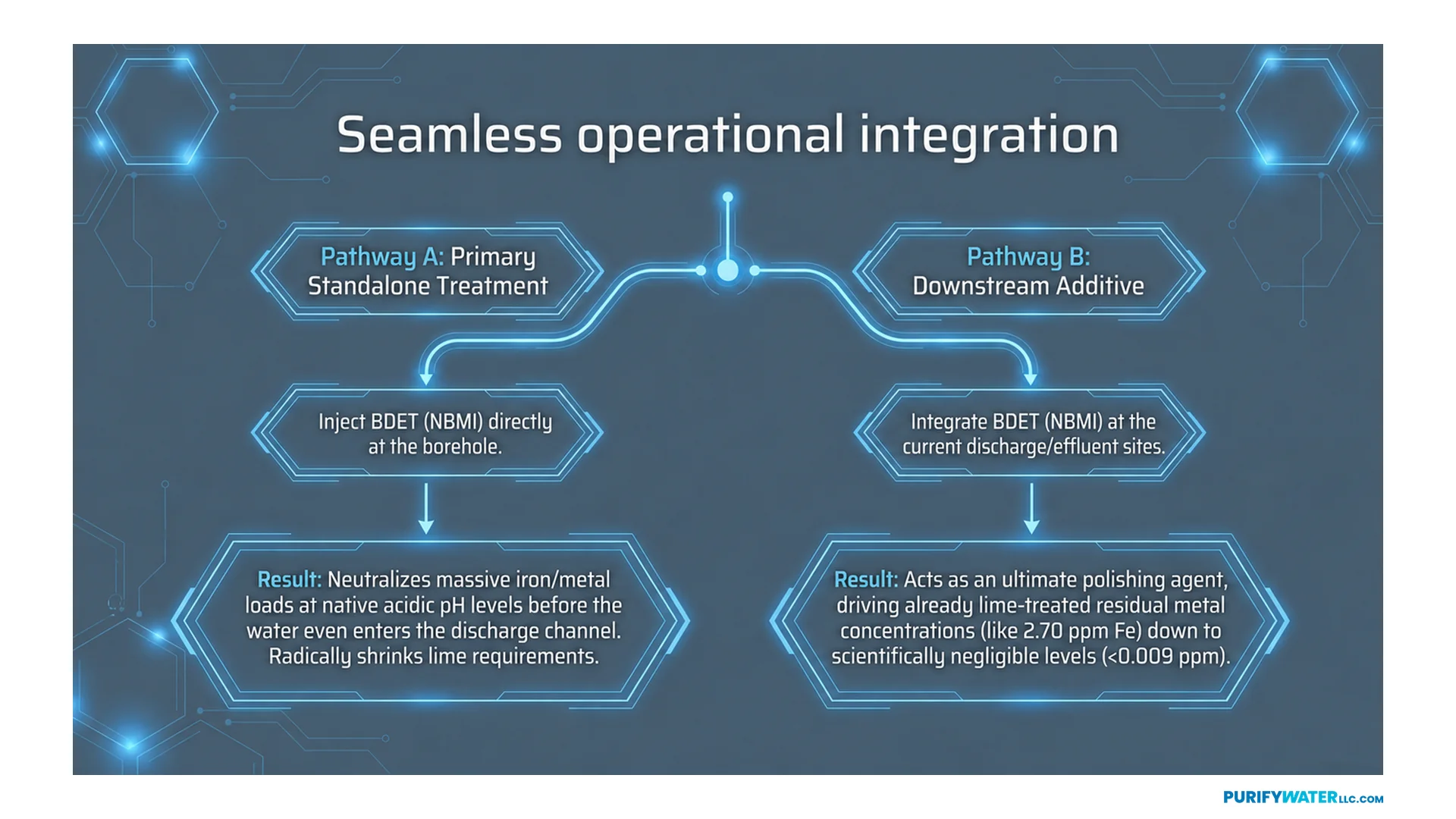
The contrast with conventional site operations is stark. The active lime and hydrogen peroxide system at the Pikeville mine still discharged effluent containing 2.70 ppm of iron and 0.913 ppm of manganese into state waters. When researchers applied BDET (NBMI) directly to those active discharge streams, iron concentrations dropped to below 0.009 ppm and manganese fell to below 0.001 ppm, easily outperforming multi-stage industrial treatment operations.
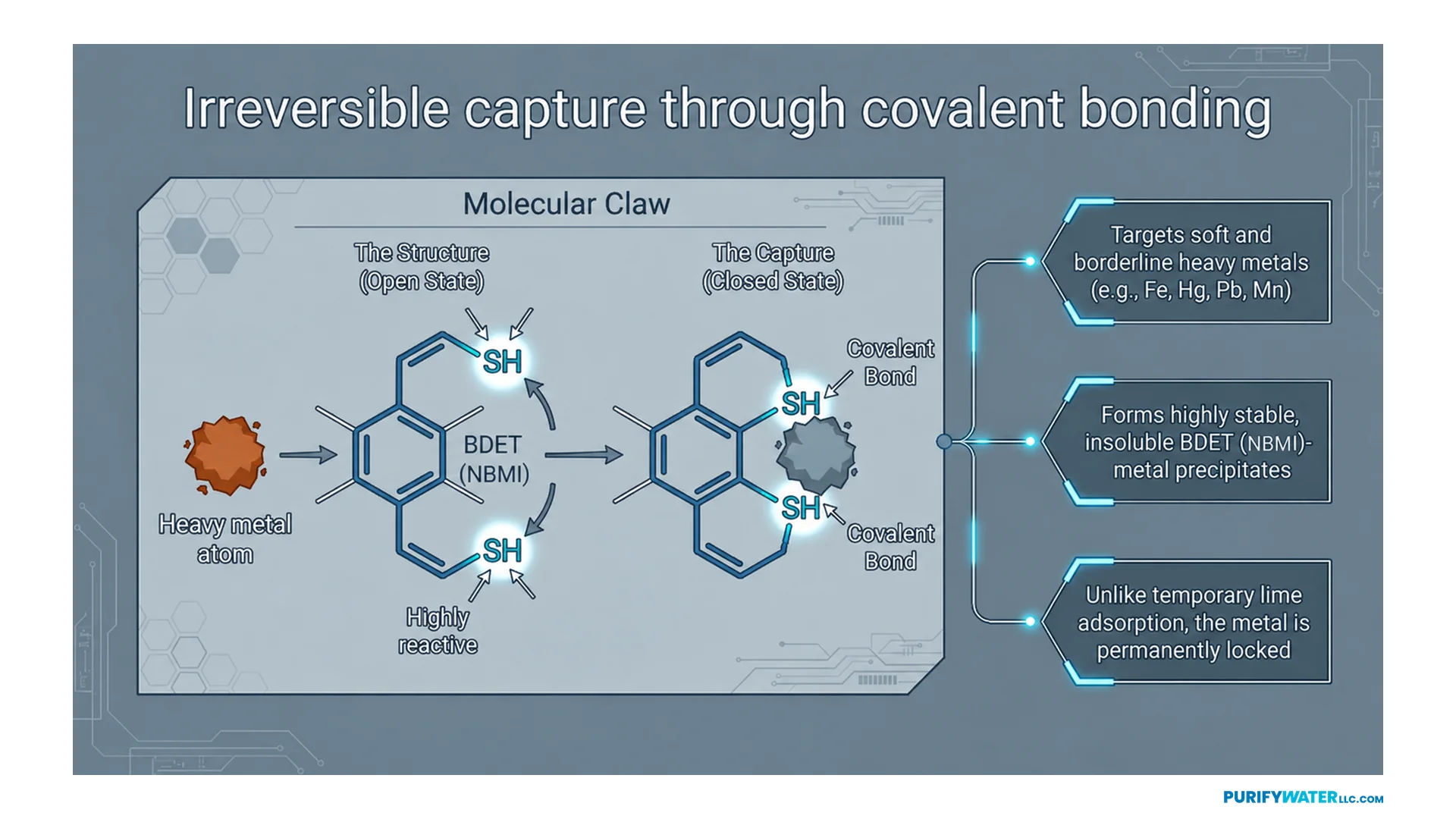
Why does 1,3-benzenediamidoethanethiol (NBMI) outperform standard water treatment chemicals by such a wide margin? The secret lies in its fundamental molecular architecture. Built on a rigid 1,3-benzene backbone fitted with two cysteamine arms, BDET (NBMI) acts as a multidentate (bidentate or tetradentate) ligand specifically designed to capture soft and borderline Lewis acids, such as ferrous iron (Fe2+), lead, and mercury. The molecule’s thiolate sulfur donors form strong, covalent bonds around the target metal, wrapping around the ion to create a tight, highly stable ring complex.
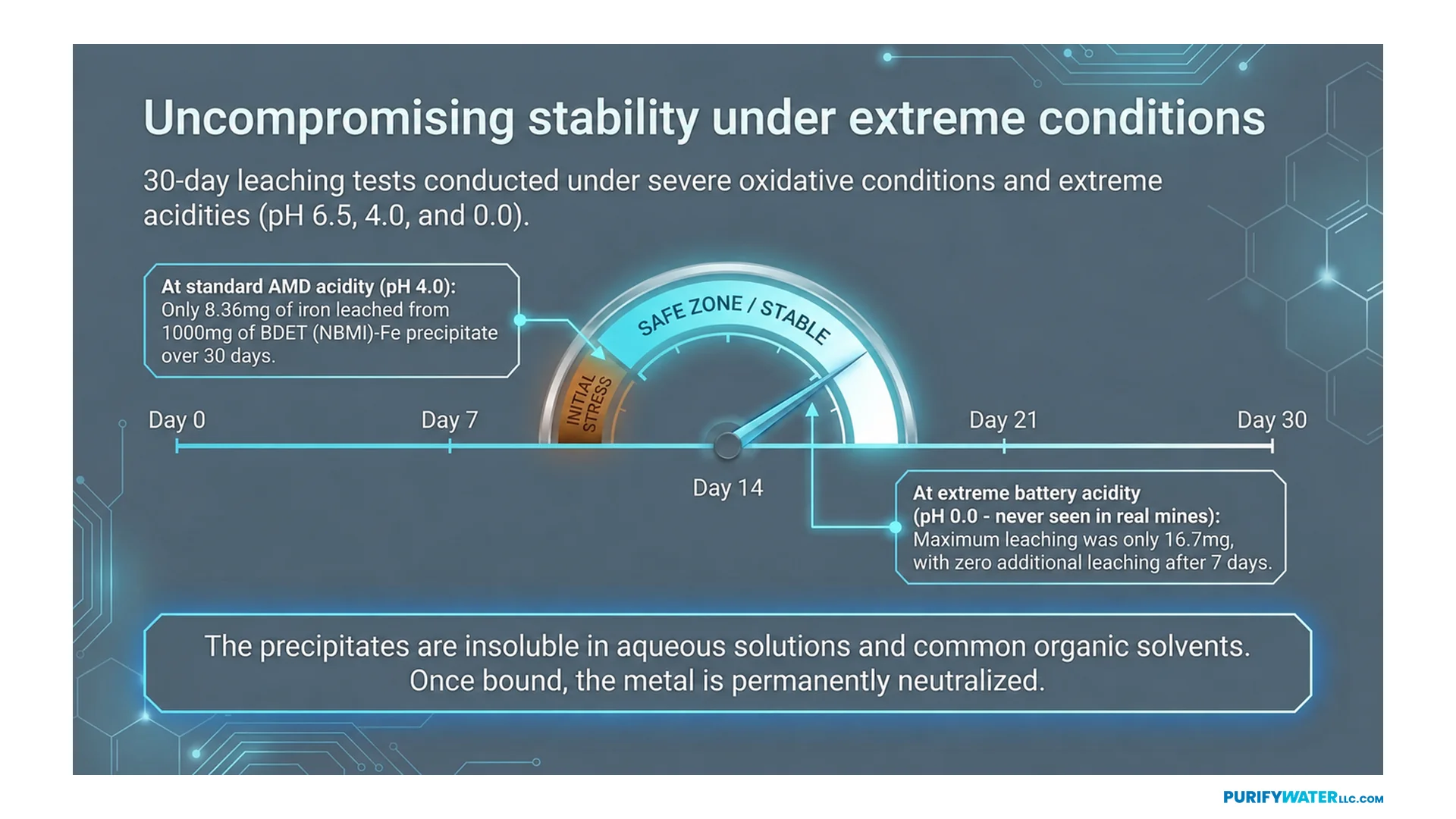
“It has been demonstrated that the metal-BDET precipitates are insoluble in aqueous solution and in common organic solvents and are stable over pH ranges of 0.0–14.0.”
To test whether these bound metal precipitates could leach back into ecosystems over time, researchers subjected them to rigorous 30-day leaching trials under continuous air bubbling to simulate extreme oxidative conditions.
Even when exposed to a hyper-acidic environment of pH 0.0—a concentration of pure acid far more corrosive than any natural mine runoff on Earth—the BDET (NBMI)-metal complex proved virtually indestructible. Out of a 1,000 mg sample of BDET (NBMI)-Fe (containing 165.3 mg of bound iron), a mere 9.75 mg of iron leached on Day 1, capping at 16.7 mg by Day 7. Between Day 7 and Day 30, zero additional iron leached into the solution. Under identical testing at pH 4.0 and pH 6.5, total iron leaching capped at just 8.36 mg and 3.79 mg, respectively, remaining entirely flat through Day 30.
Applying BDET (NBMI) directly at primary subterranean seepage points—such as inside the mine borehole or at the 3-inch and 4-inch discharge pipes—fundamentally rewrites the economics of environmental engineering. Traditional water treatment lets acid mine drainage pour out of mine shafts into open channels, allowing metals to oxidize and diluting them into millions of gallons of water before attempting downstream cleanup.
Injecting BDET (NBMI) directly into raw mine drainage inside the borehole captures iron, copper, and manganese immediately upon release. Because the resulting BDET (NBMI)-metal complexes form compact, dense, and chemically inert precipitates, they can be easily filtered out long before voluminous metal hydroxides ever have the chance to form downstream.
While basic pH neutralization with an alkaline base like lime is still required to balance water acidity prior to river release, pretreating with BDET (NBMI) slashes the required lime dosage. By preventing the formation of massive secondary hydroxide sludges, this targeted approach saves millions of dollars in continuous basin dredging, transport, and hazardous landfill tipping fees.
Perhaps the most fascinating chapter in the story of 1,3-benzenediamidoethanethiol (NBMI) is how a compound designed to capture heavy metals in contaminated water made the leap into human health research. As research progressed, the molecule transitioned across scientific disciplines, accumulating different names along the way:
How does a molecule designed to capture metals in contaminated water become a candidate for clinical research? Part of the answer lies in the molecule’s chemical design. The same benzene backbone and sulfur-thiol groups that capture iron in acidic mine water make BDET (NBMI) highly lipophilic (lipid-soluble). Early research suggests this may allow it to cross lipid cell membranes and bind soft heavy metals such as mercury and lead, and it is being studied for possible antioxidant effects. Its safety and effectiveness in people are still under investigation.
The trajectory of 1,3-benzenediamidoethanethiol (NBMI) represents a profound paradigm shift in how we approach environmental restoration—moving away from high-maintenance, sludge-generating lime treatments toward precision molecular engineering. By trapping toxic metals inside indestructible chemical handcuffs, BDET (NBMI) permanently removes aquatic threats without leaving a hazardous waste burden for future generations to clean up.
As legacy industrial pollution continues to imperil global watersheds, the cross-disciplinary success of BDET (NBMI) leaves us with a compelling question: what other persistent environmental crises might be solved if we start applying precision molecular tools across traditional scientific boundaries?
This article discusses environmental and laboratory research. Emeramide (NBMI) is an investigational compound; statements here have not been evaluated by the FDA and are not intended to diagnose, treat, cure, or prevent any disease.