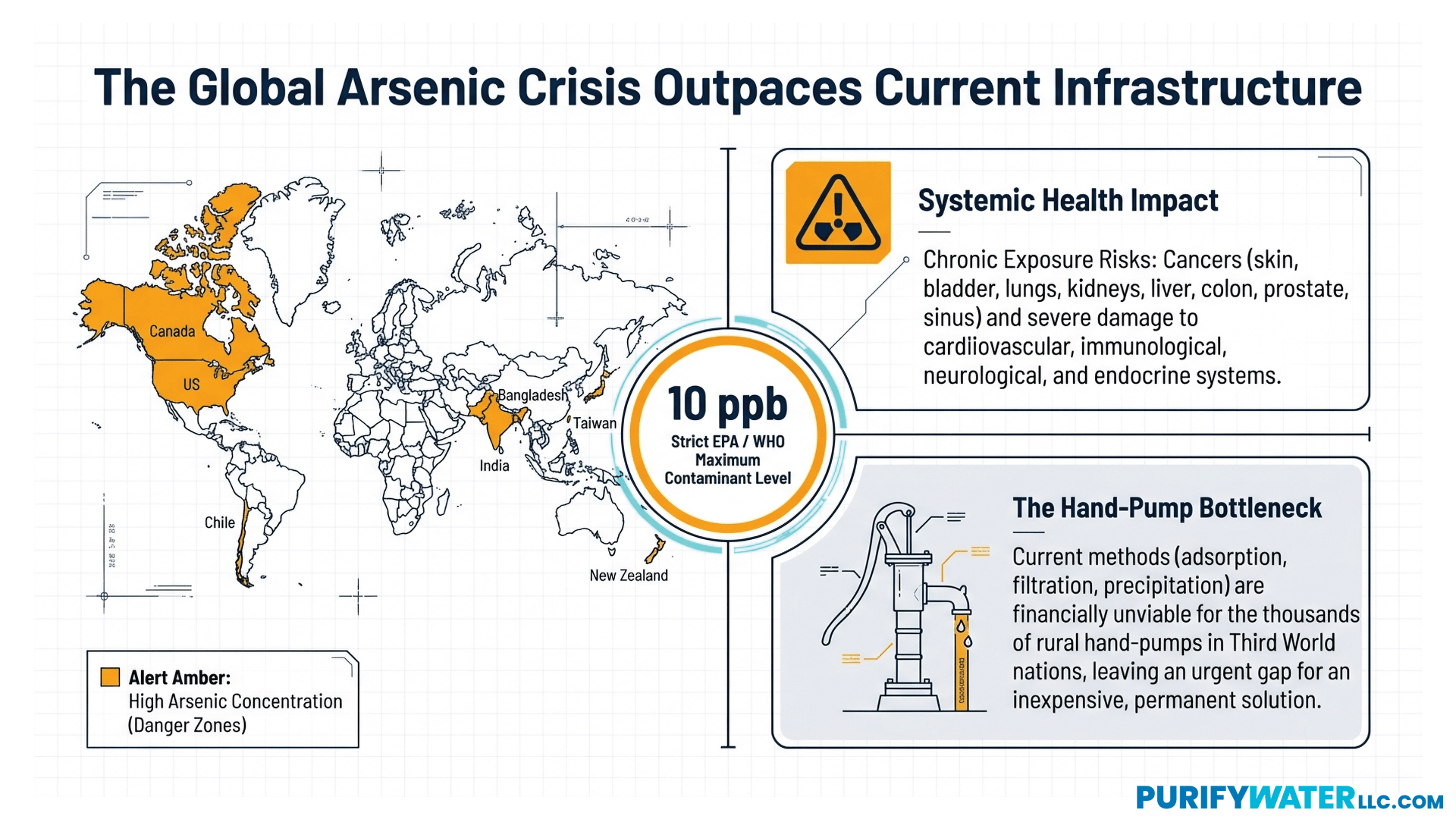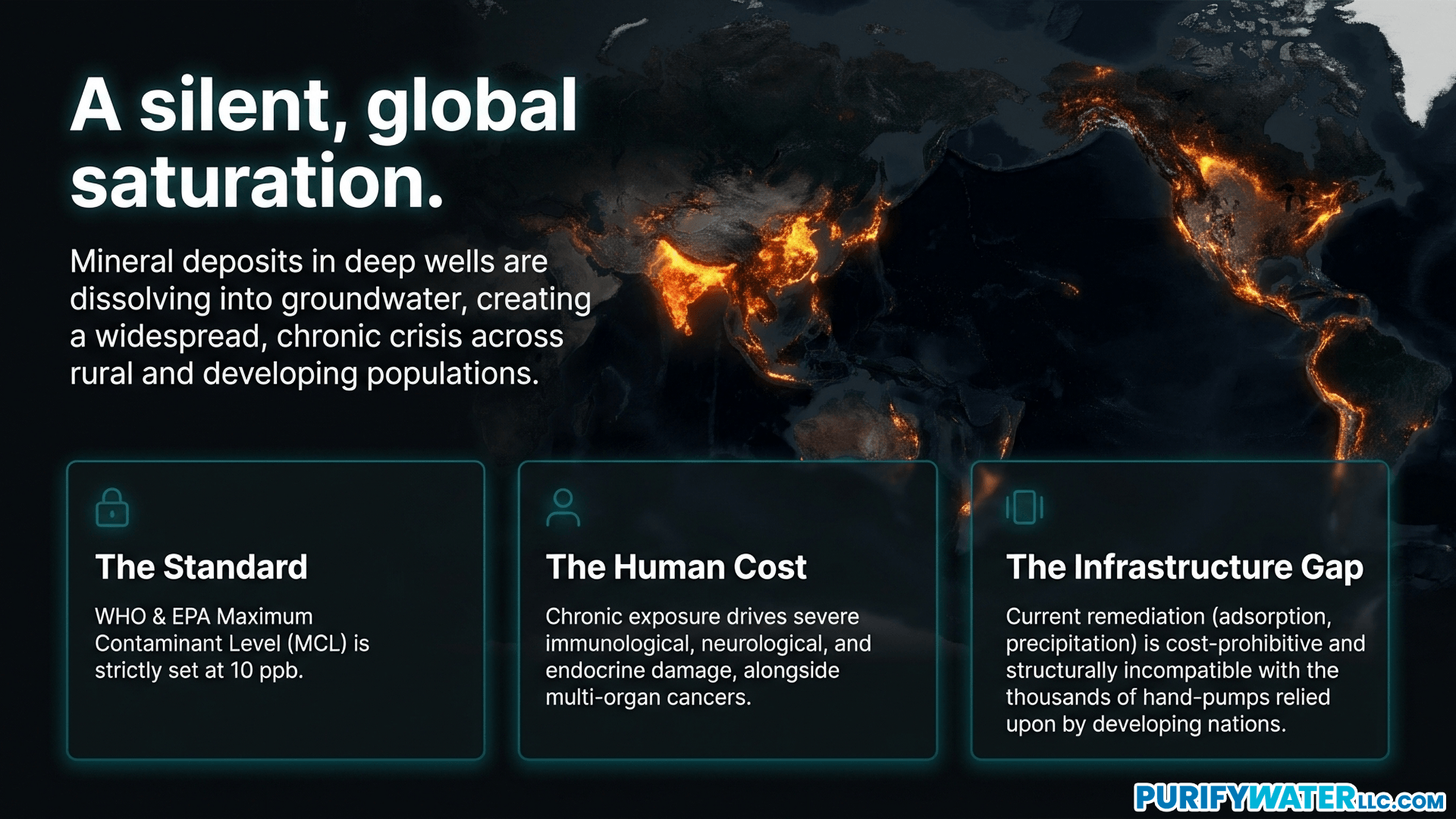
In many corners of the globe – from the rural stretches of the United States and Canada to the densely populated basins of Bangladesh and India – a glass of clear, cool water can be a silent killer. Arsenic contamination of groundwater is a massive humanitarian crisis, often referred to as the largest mass poisoning in history. Because arsenic is colorless and odorless, it remains undetected in the deep, oxygen-poor wells that communities rely on for survival. In places like West Bengal, India, residents use hand-pumped wells that appear to provide clean water but instead deliver toxic doses of this naturally occurring element. While high-tech remediation exists, it is frequently too expensive or complex for the “Third World” communities that need it most. The challenge has always been finding a solution that is both chemically sophisticated enough to handle the toxin and simple enough to be deployed in a village setting.
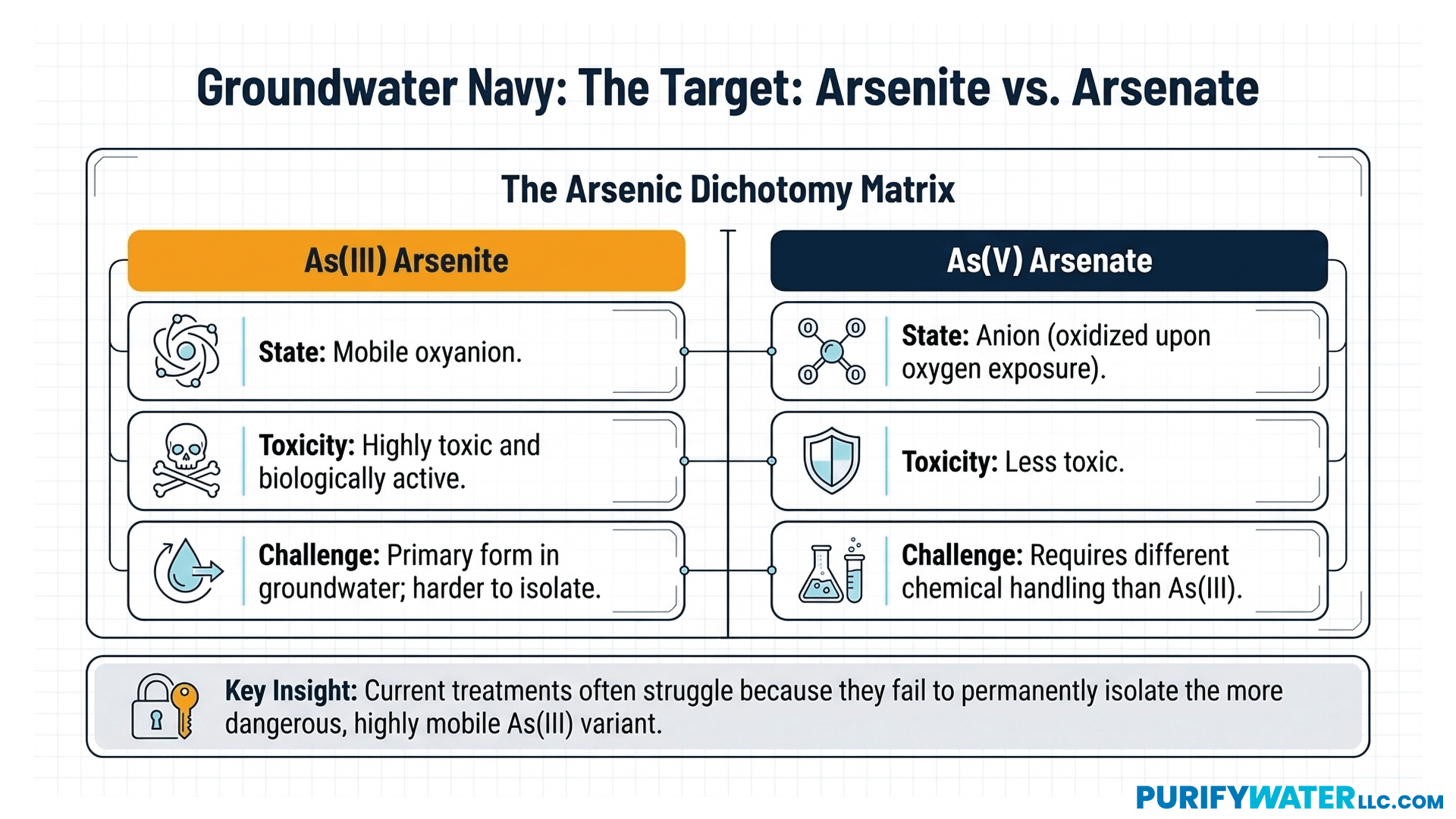
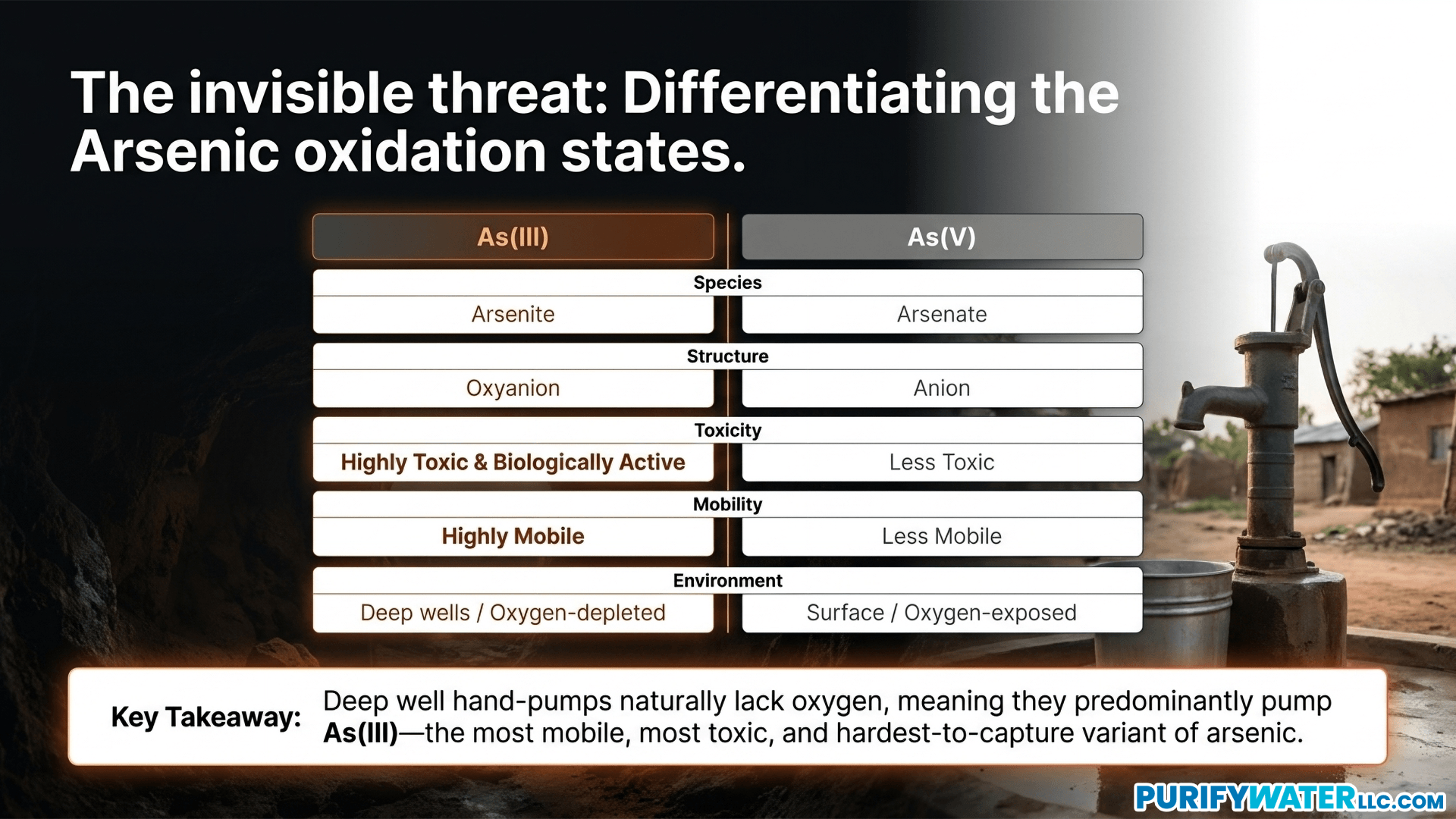
Solving the arsenic crisis requires a journey into molecular nuance. As researchers from the University of Kentucky have highlighted, arsenic in groundwater exists primarily in two forms: Arsenite As(III) and Arsenate As(V).As(III) is the true “villain” of this narrative. It is significantly more toxic, more biologically active, and more mobile in water than As(V). In the deep, oxygen-poor environments of underground aquifers, arsenic stays locked in this dangerous As(III) state. Understanding this chemical distinction is the key to effective remediation; a system that cannot handle the specific, slippery nature of As(III) cannot truly make the water safe. Chronic exposure has been linked to cancer of the skin, bladder, lungs, kidneys, liver, colon, prostate and sinus passages and damage to the cardiovascular, immunological, neurological, and endocrine systems. (Kapaj, 2006)
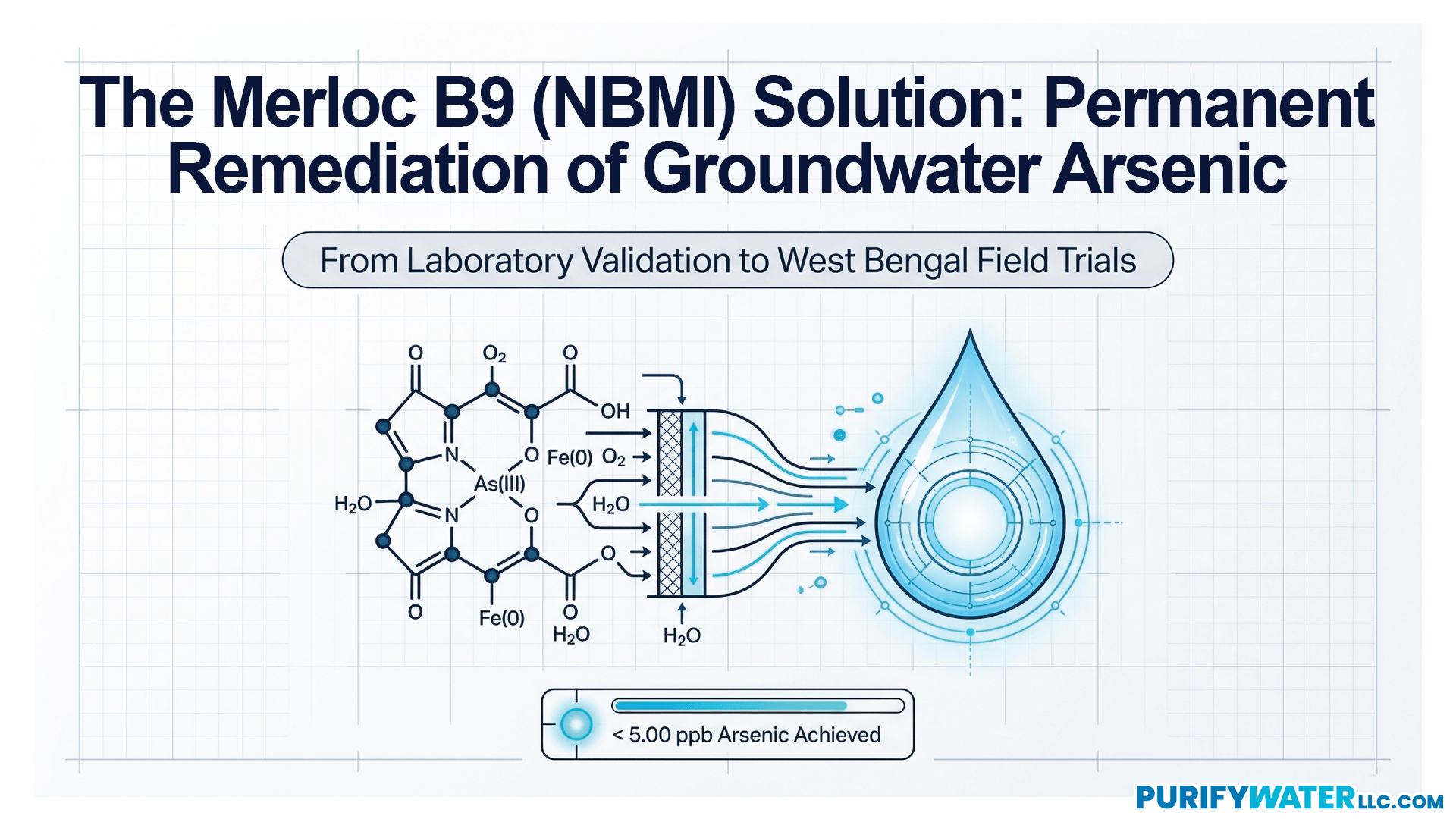
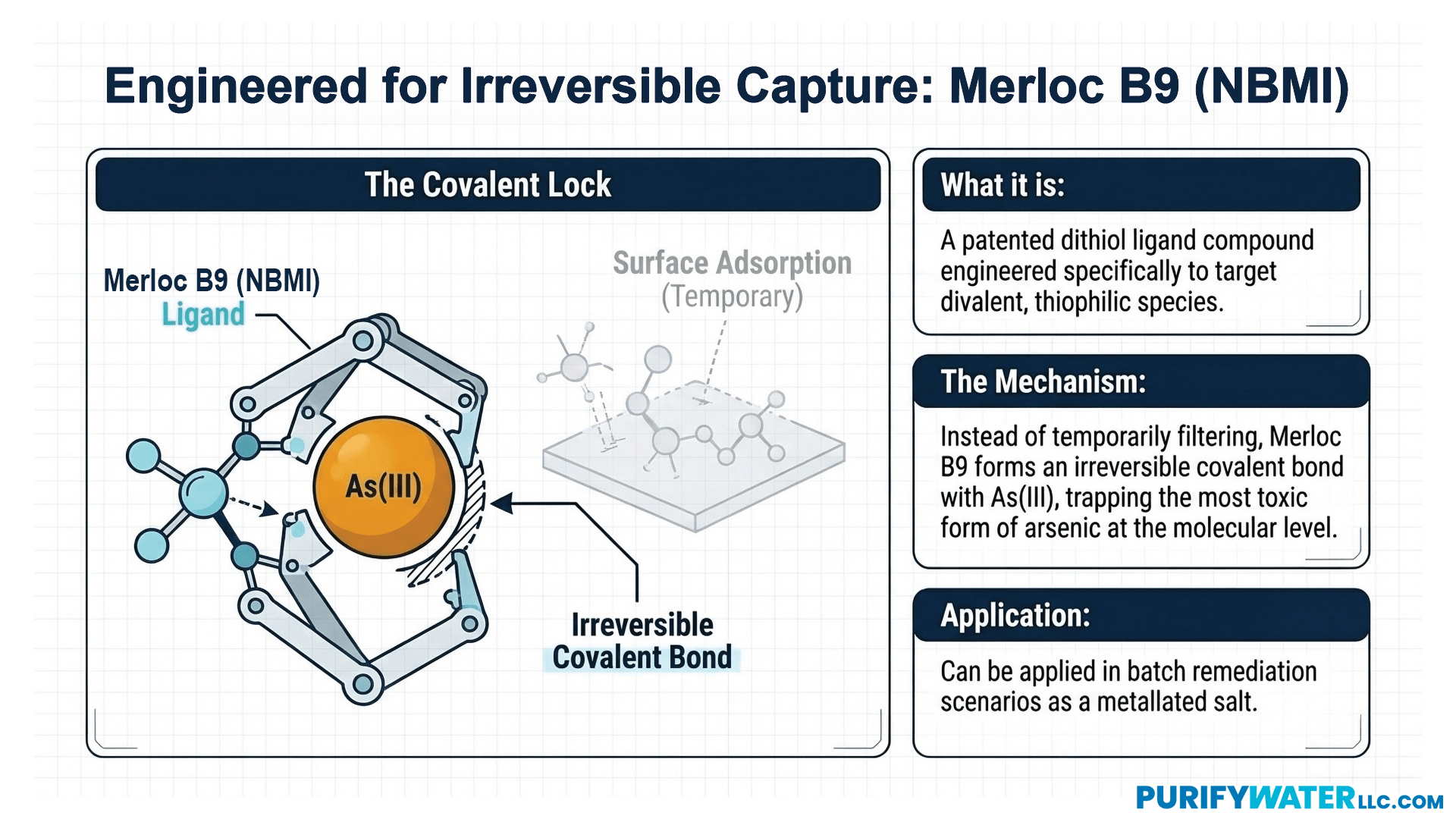
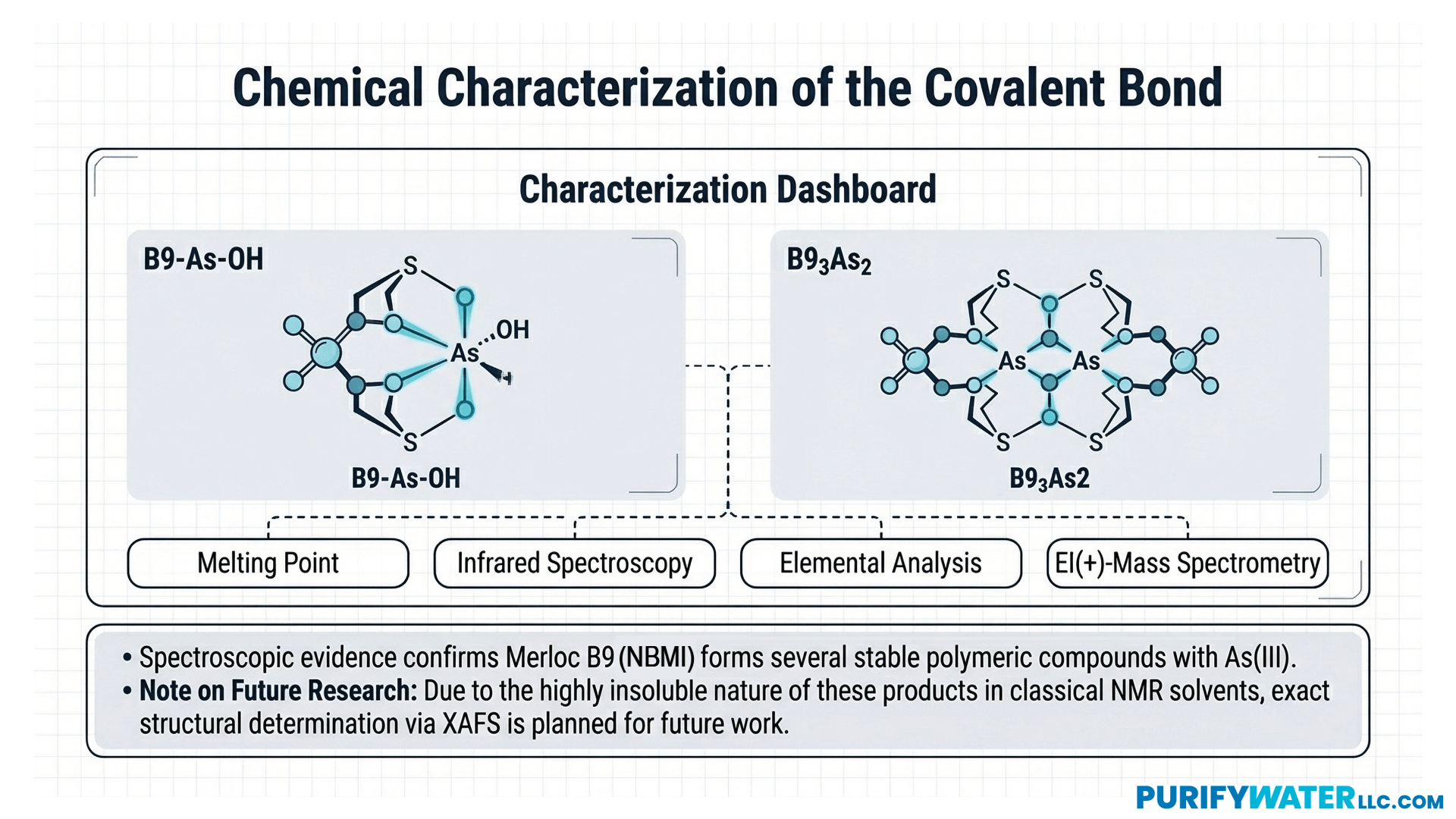
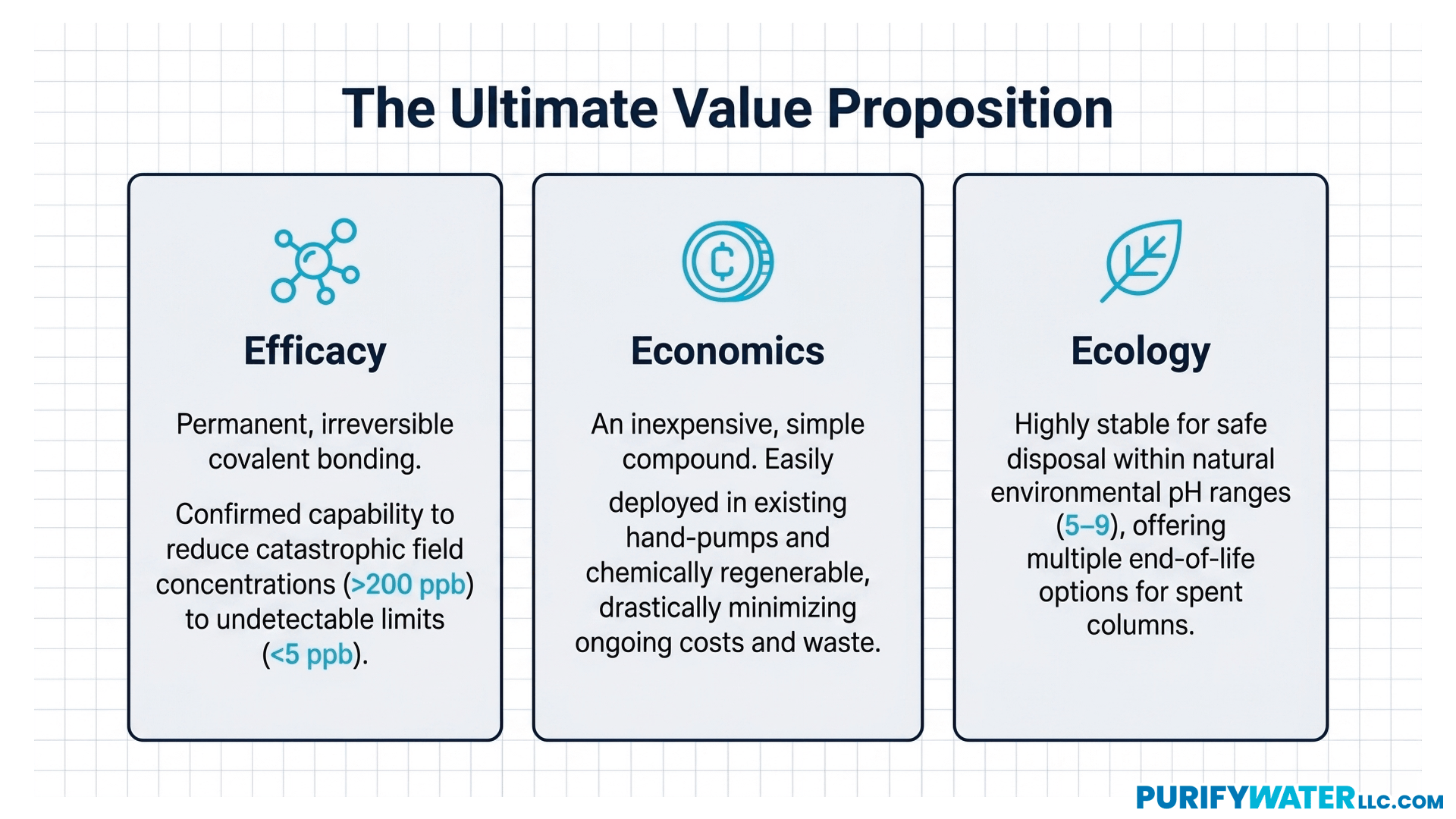
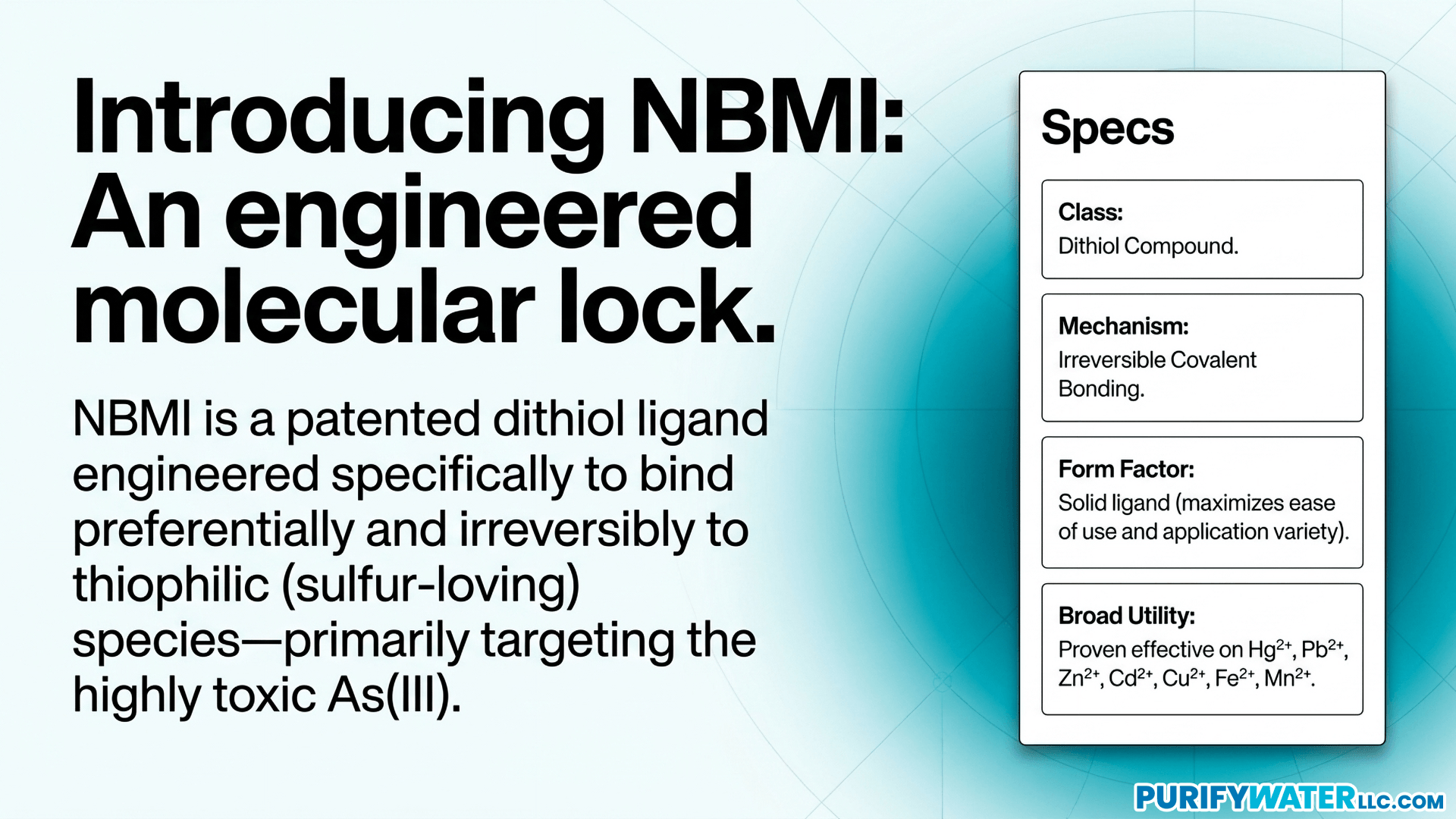
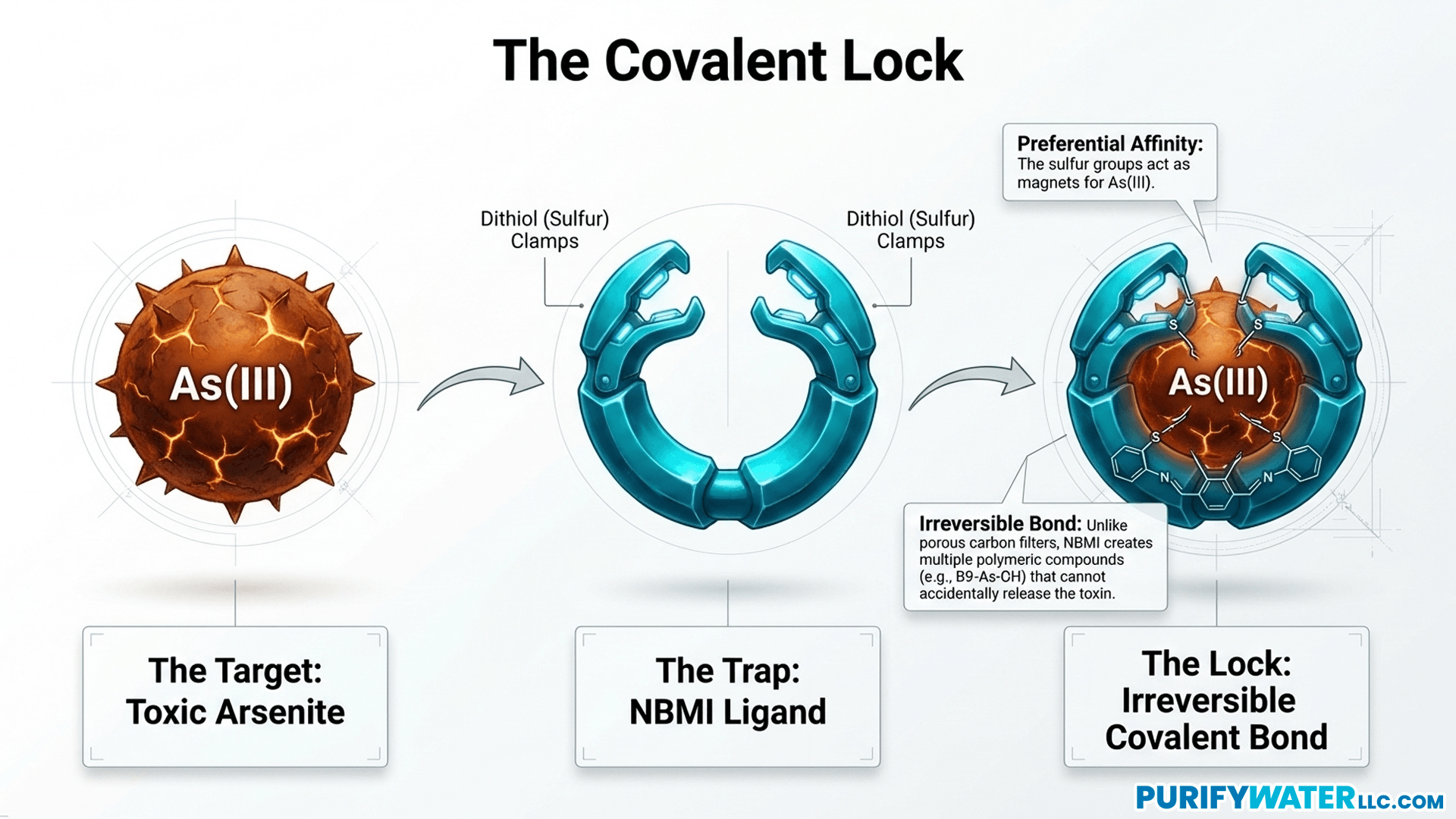
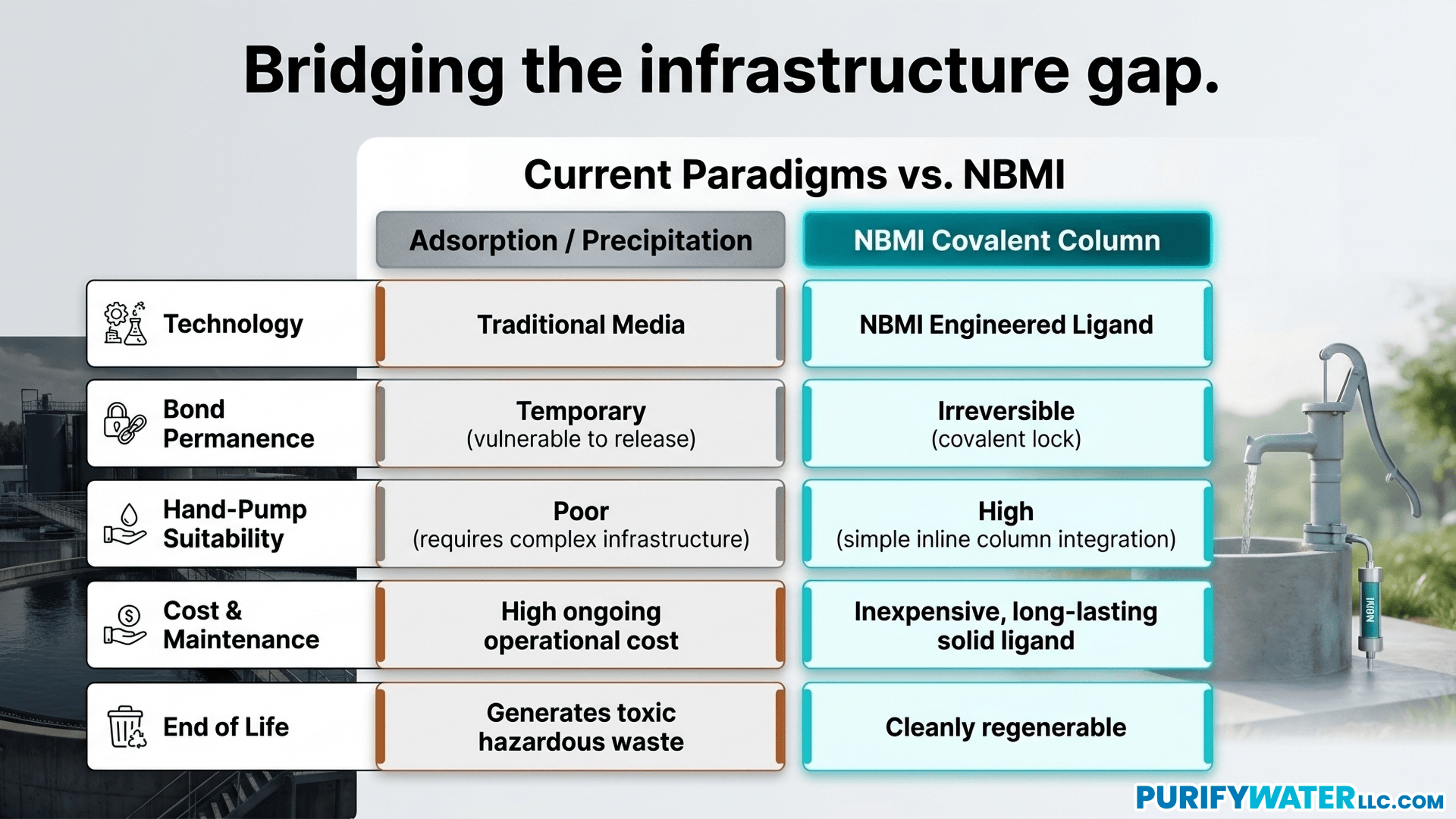
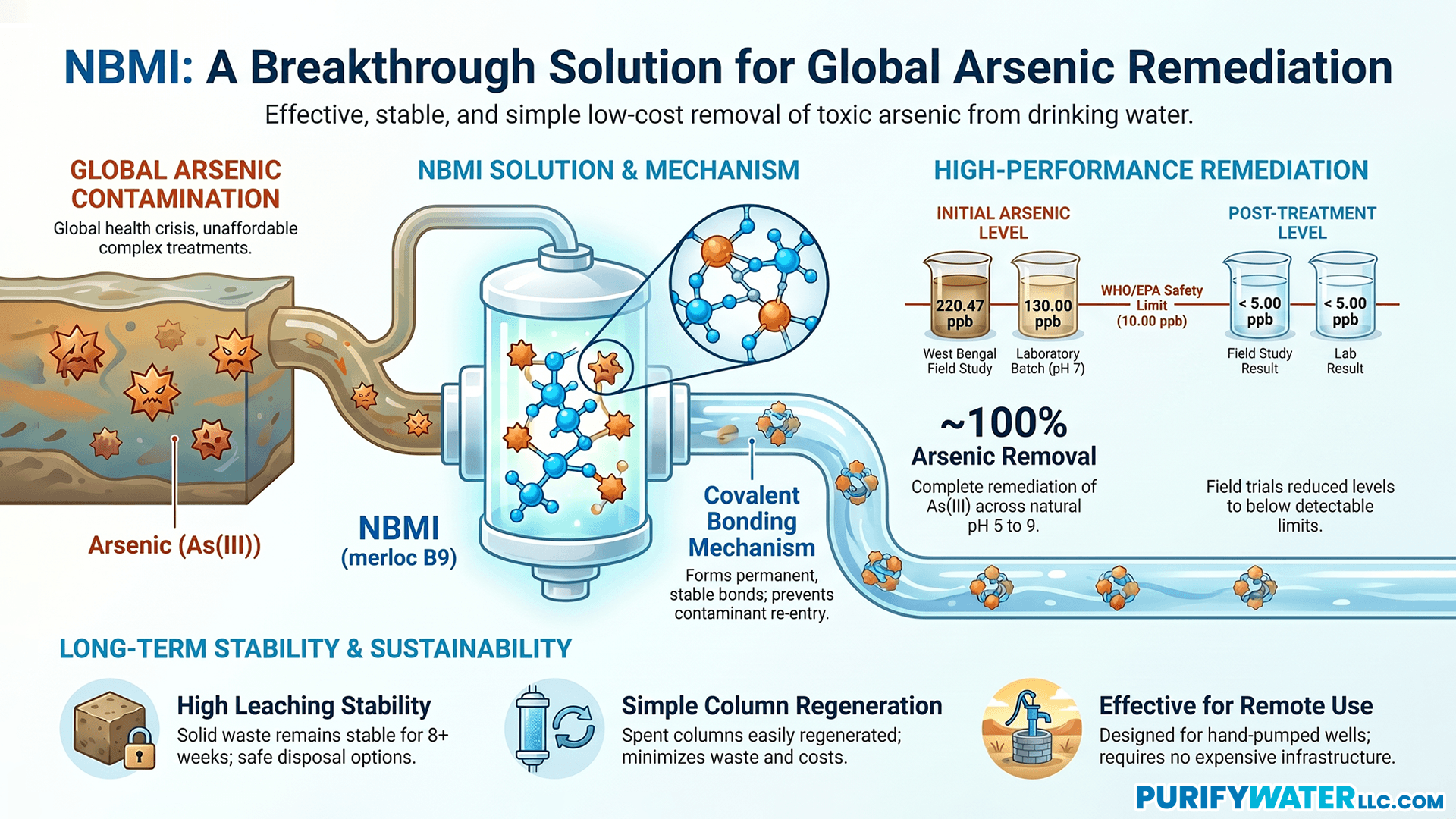
To address this, researchers L.Y. Blue and David Atwood engineered a specialized molecule, Merloc B9, also known as NBMI. This dithiol compound was designed with a specific chemical “hunger” – it is “thiophilic,” or sulfur-loving. This property allows it to seek out and form irreversible covalent bonds with arsenic. Think of standard water filters as a “sieve” or a physical trap; if the holes are small enough, the toxin stays behind. Merloc B9 (NBMI), however, acts like molecular “Velcro.” It doesn’t just block the arsenic; it “grabs” it at the atomic level. This covalent bonding creates a permanent chemical lock, ensuring the contaminant is held tightly and cannot be accidentally released back into the water supply.
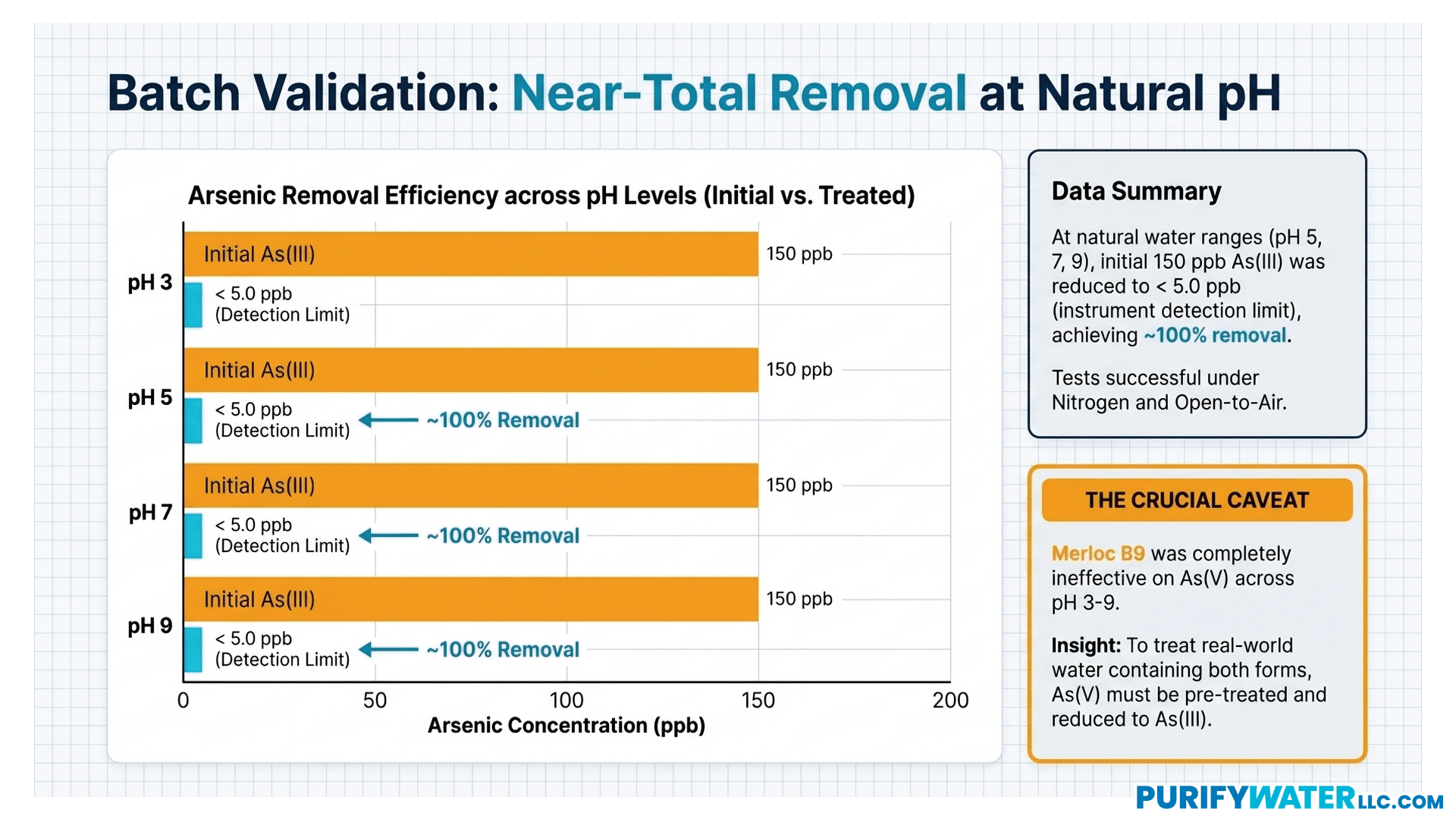
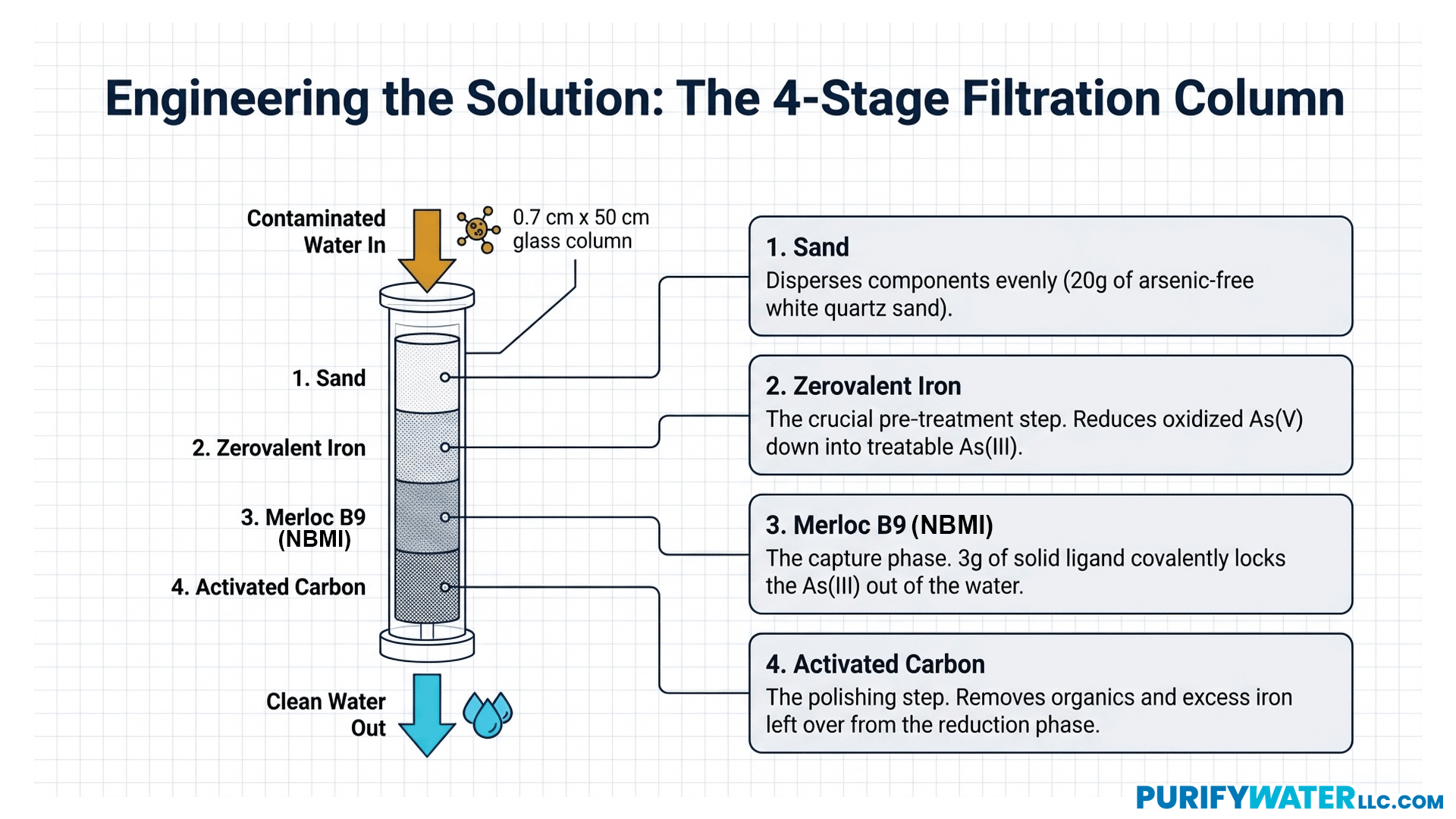
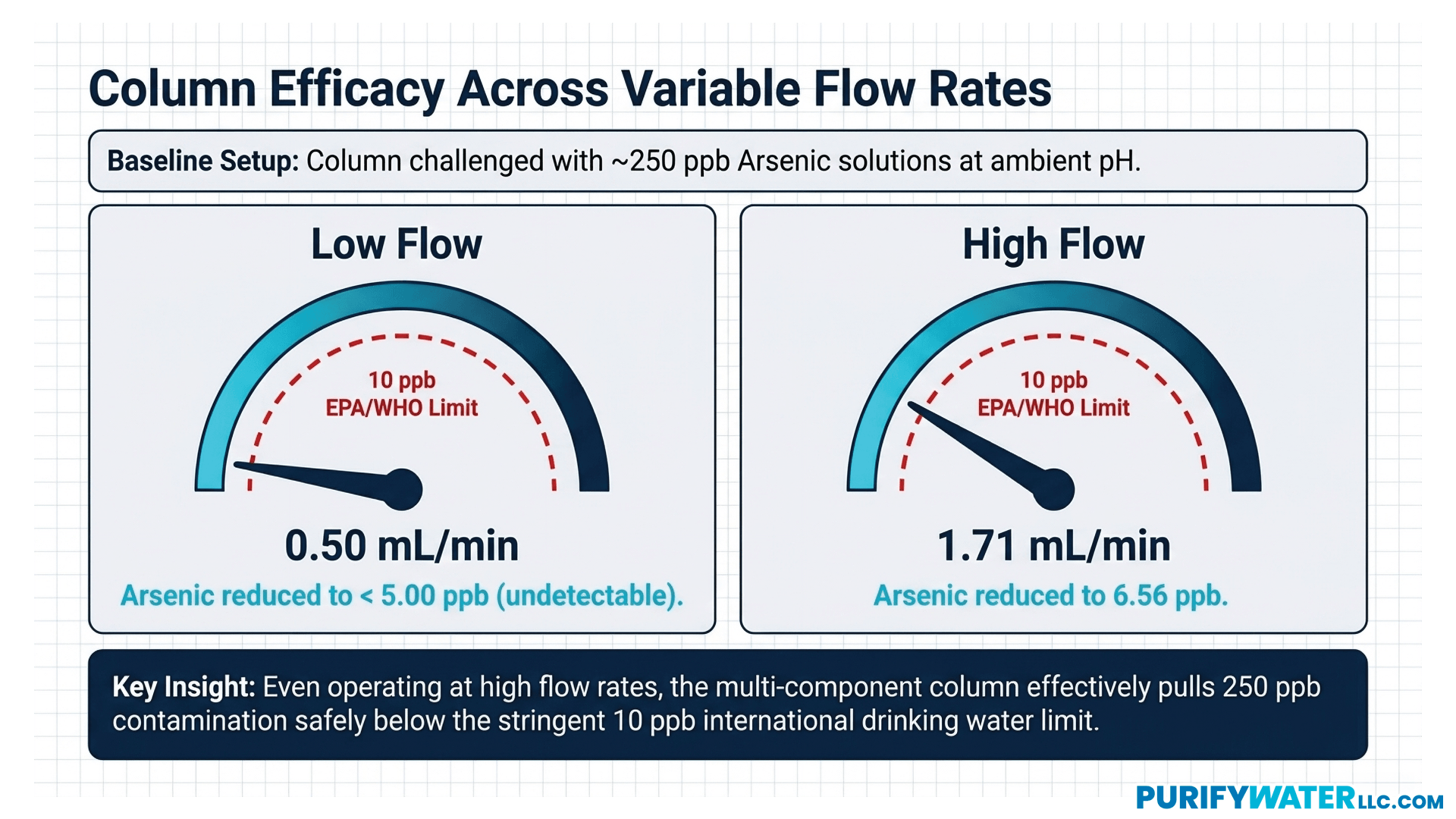
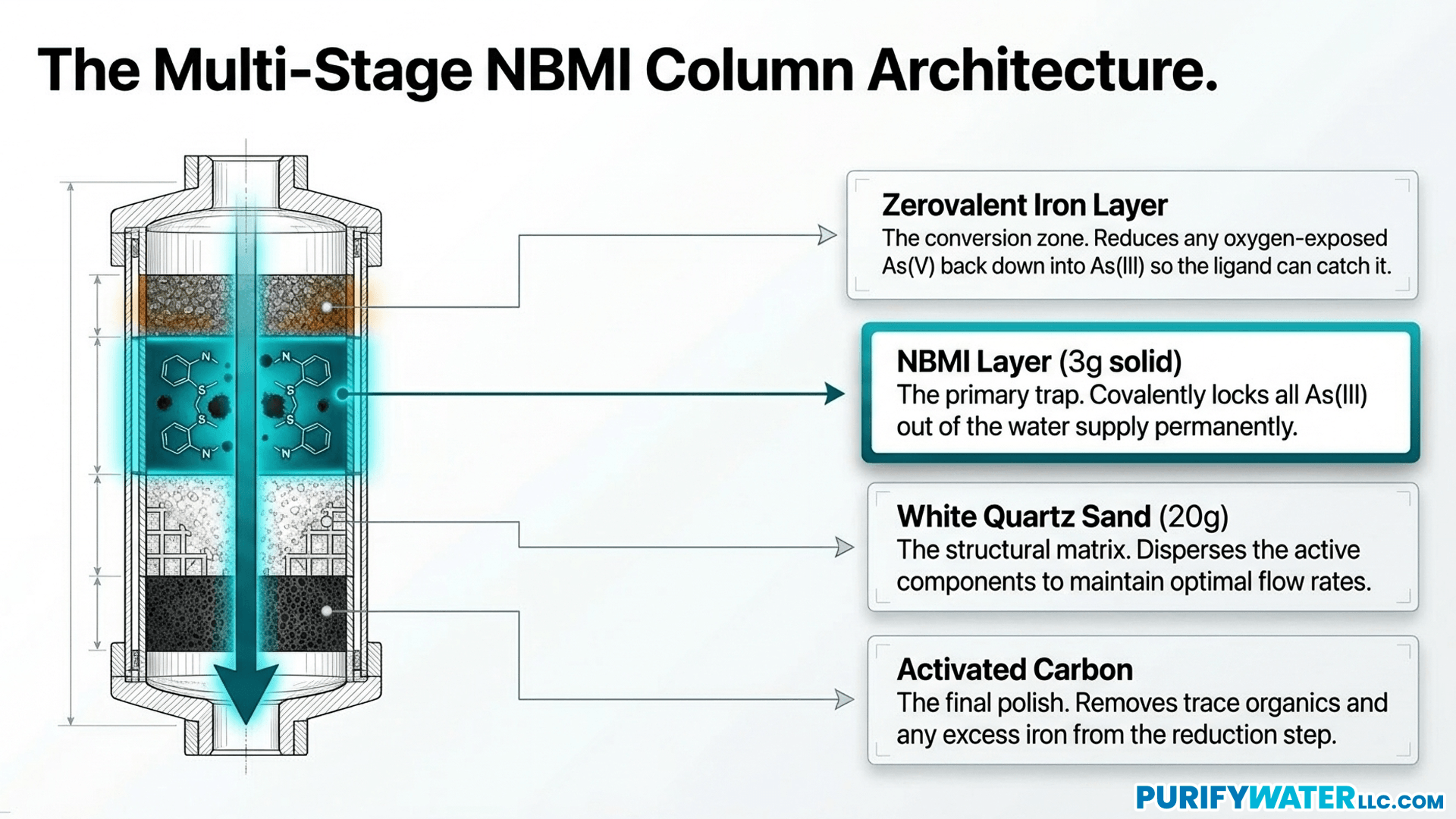
The true breakthrough, however, isn’t just the B9 molecule alone. In real-world conditions, water often contains a mix of both As(III) and As(V). Because Merloc B9 (NBMI) is specifically engineered for As(III), it cannot effectively “grab” the As(V) form.To solve this, the University of Kentucky team developed a Two-Component Column . This system uses a “team effort” of materials:
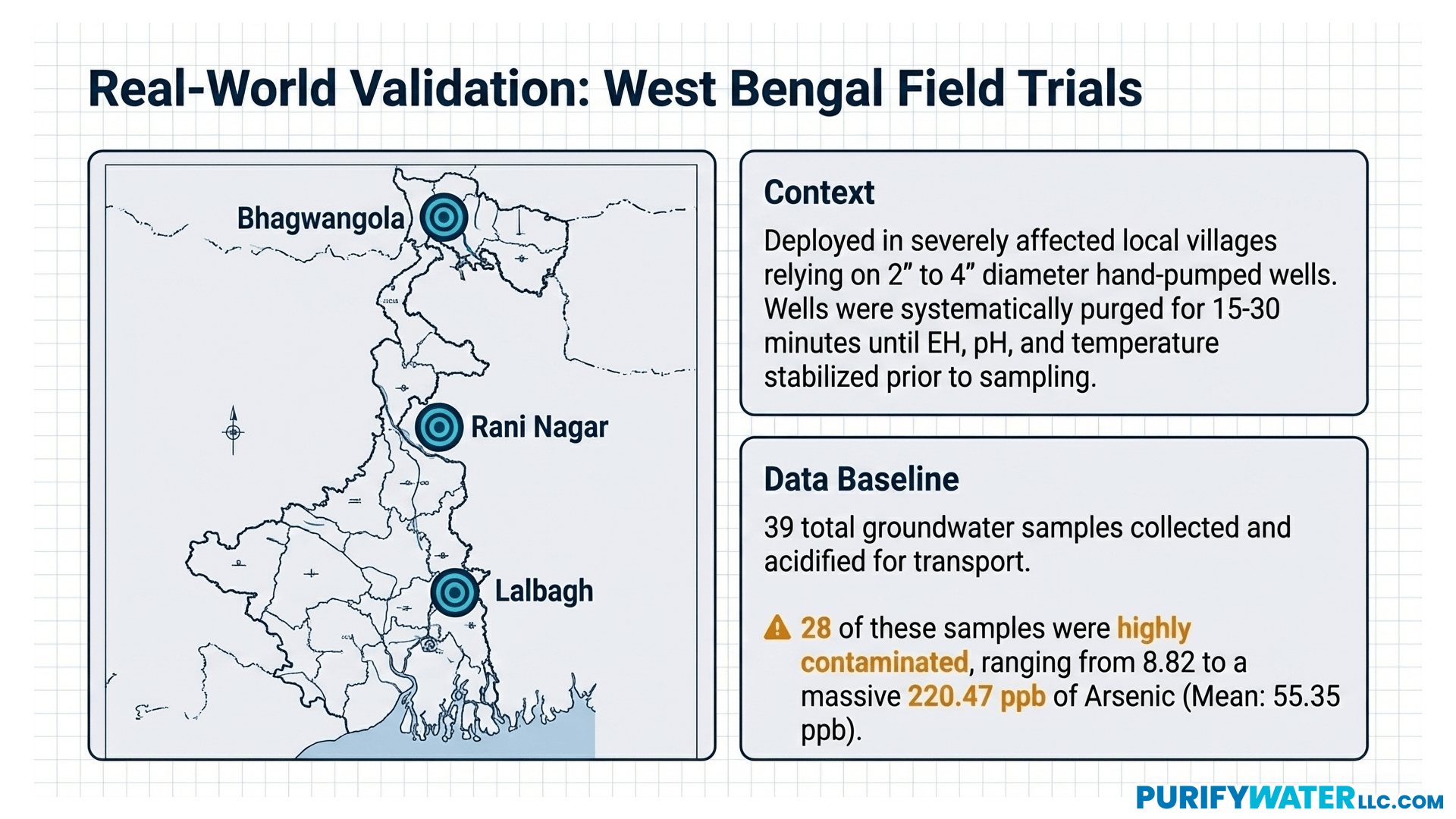
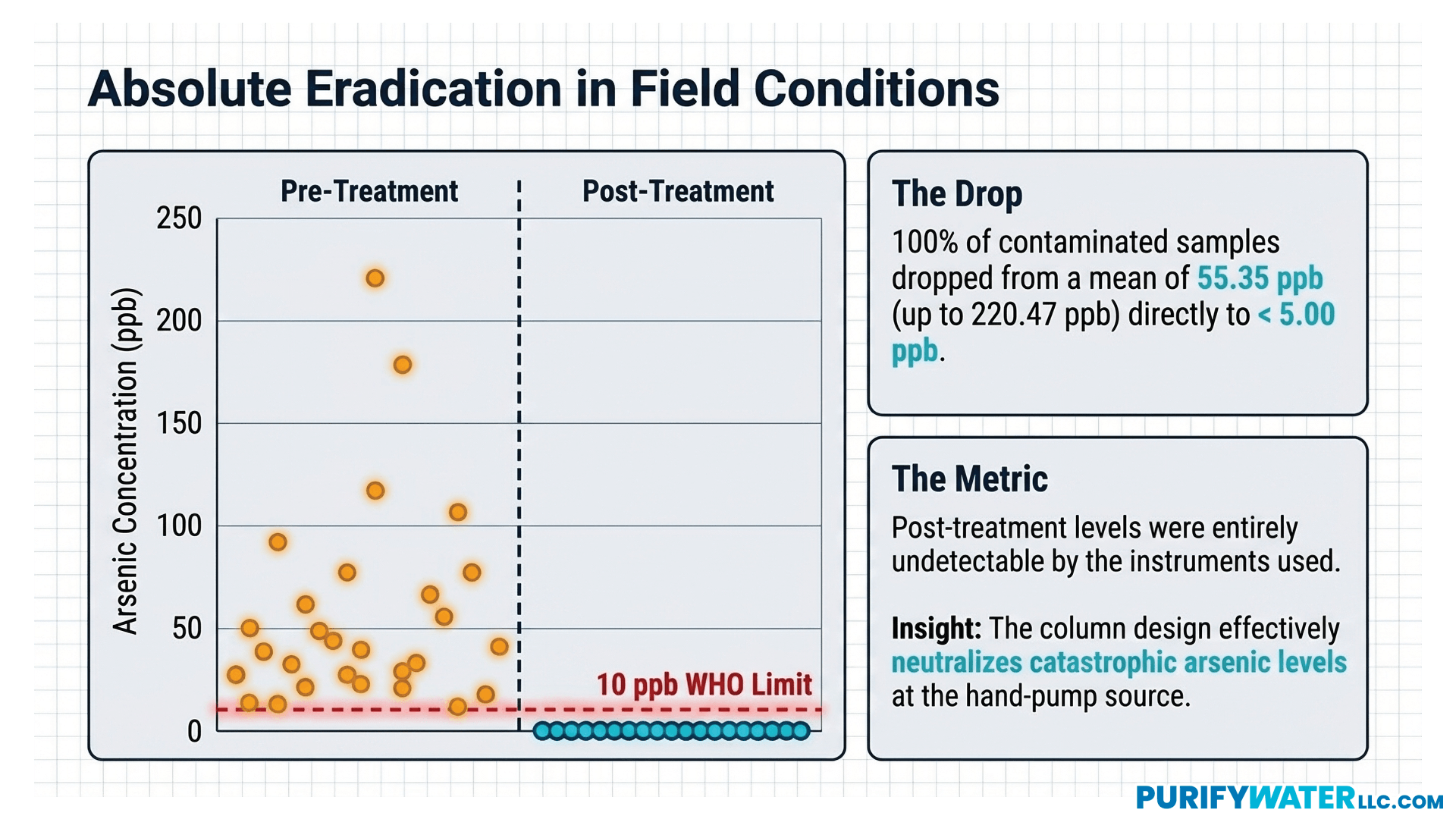
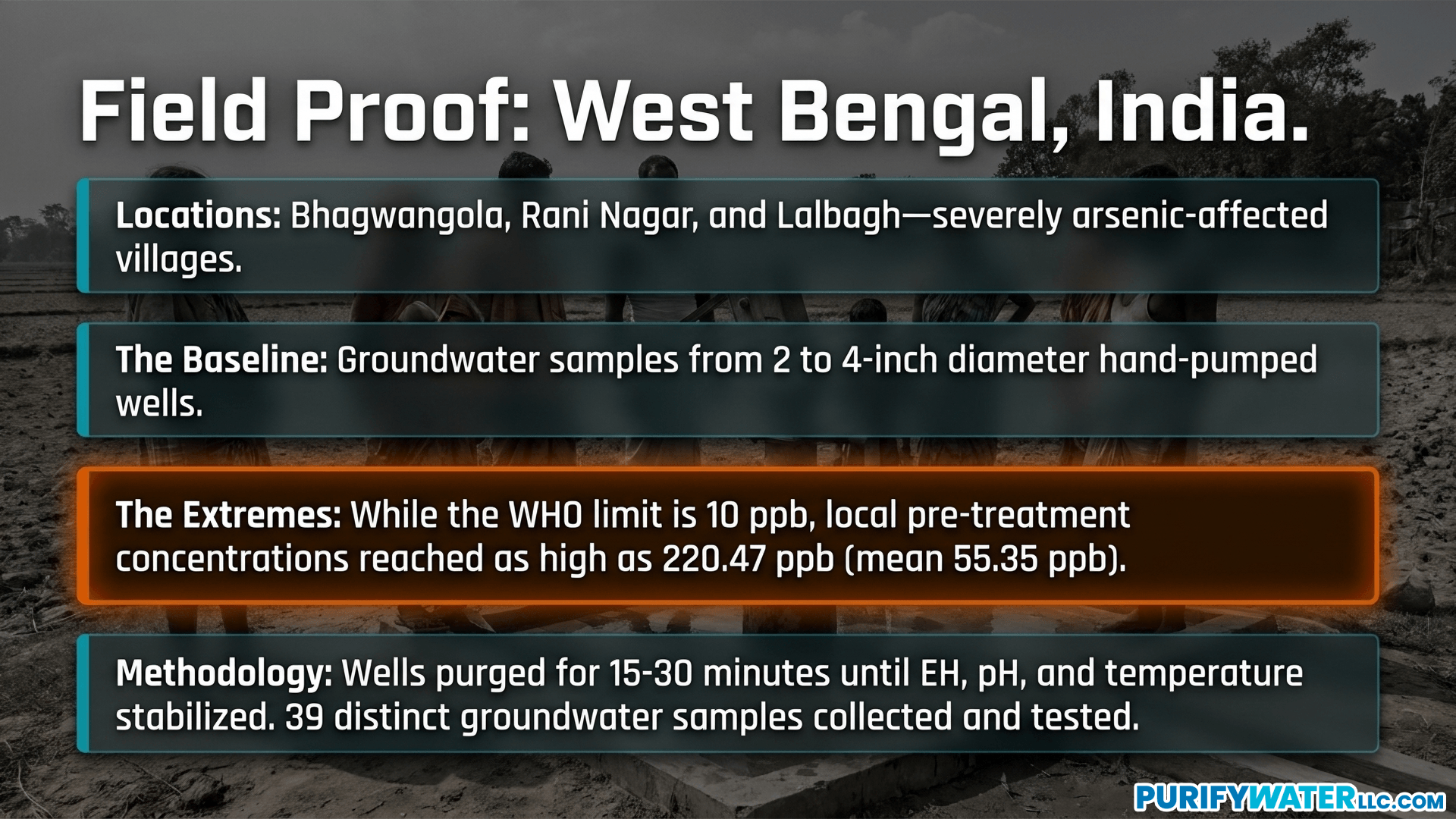
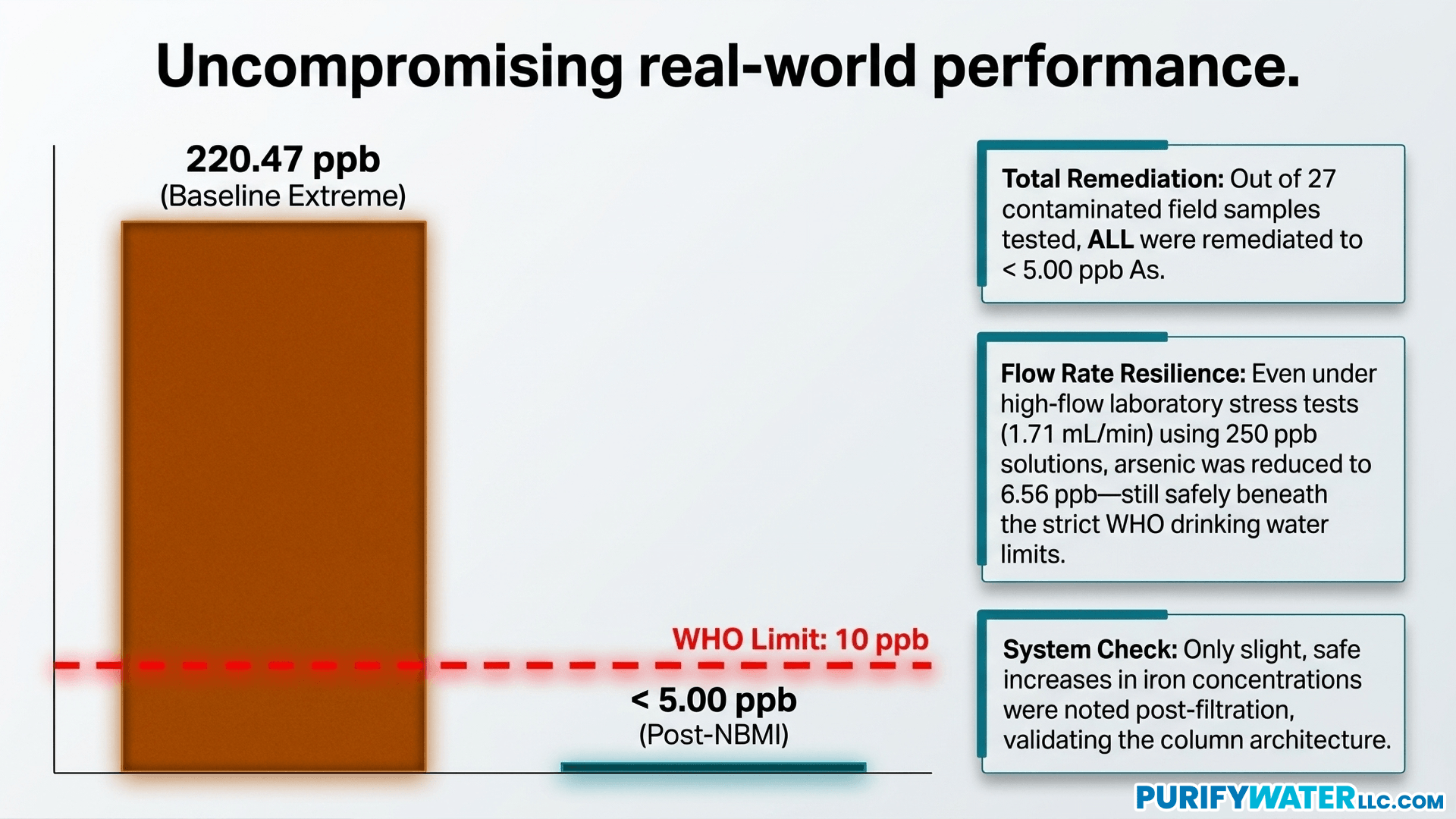
This multi-stage system was put to the test in the severely affected villages of West Bengal, India. In these areas, pre-treatment arsenic levels reached as high as 220 ppb—twenty-two times the World Health Organization (WHO) safety limit of 10 ppb. Using the two-component column on hand-pumped wells, the research team tested water in several locations:
The results were transformative. Post-treatment arsenic levels in all samples dropped to less than 5 ppb, falling below the detection limit of the instruments and comfortably meeting global safety standards. This proved the technology could thrive outside the lab, working in rugged conditions to save lives.
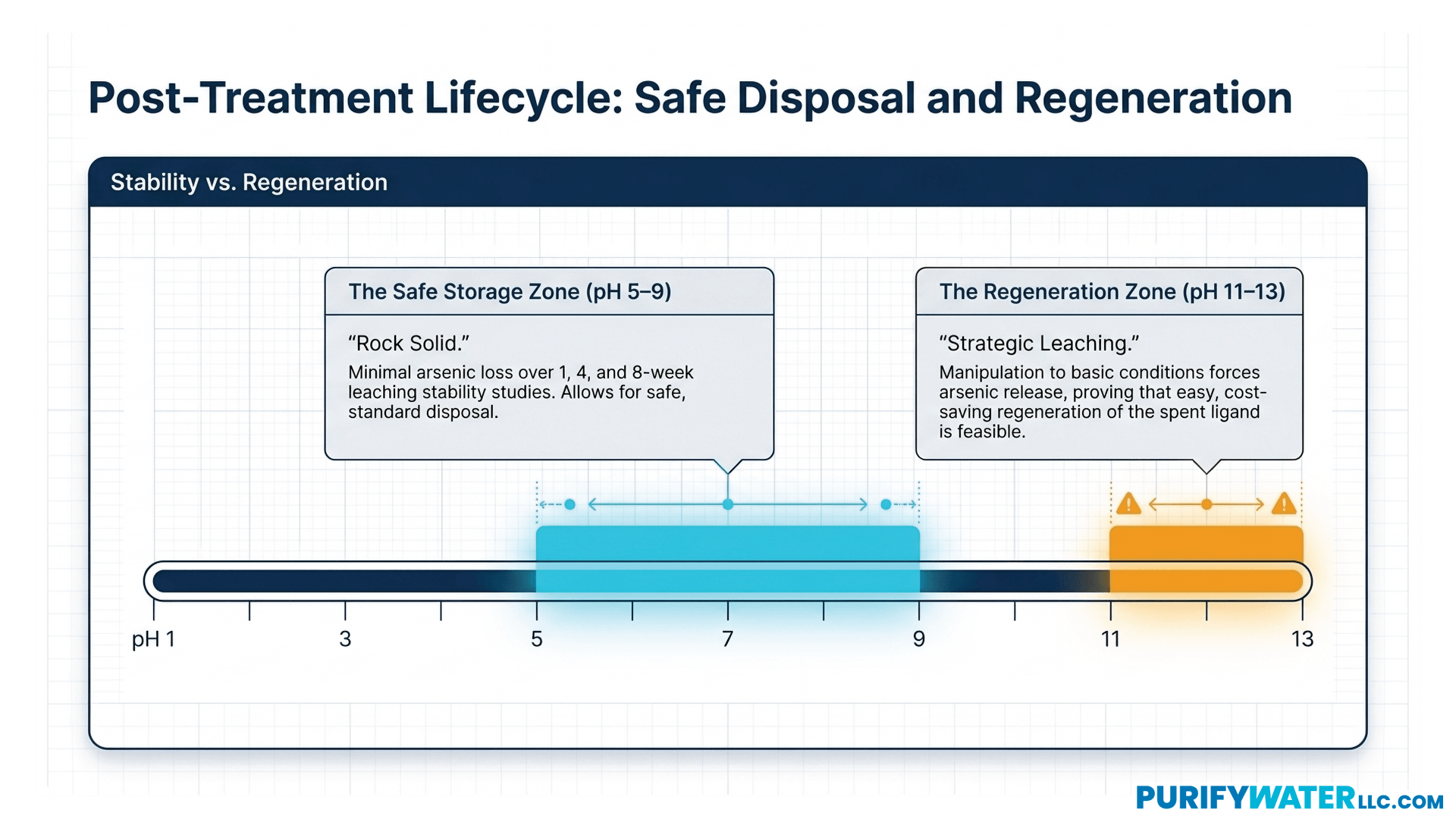
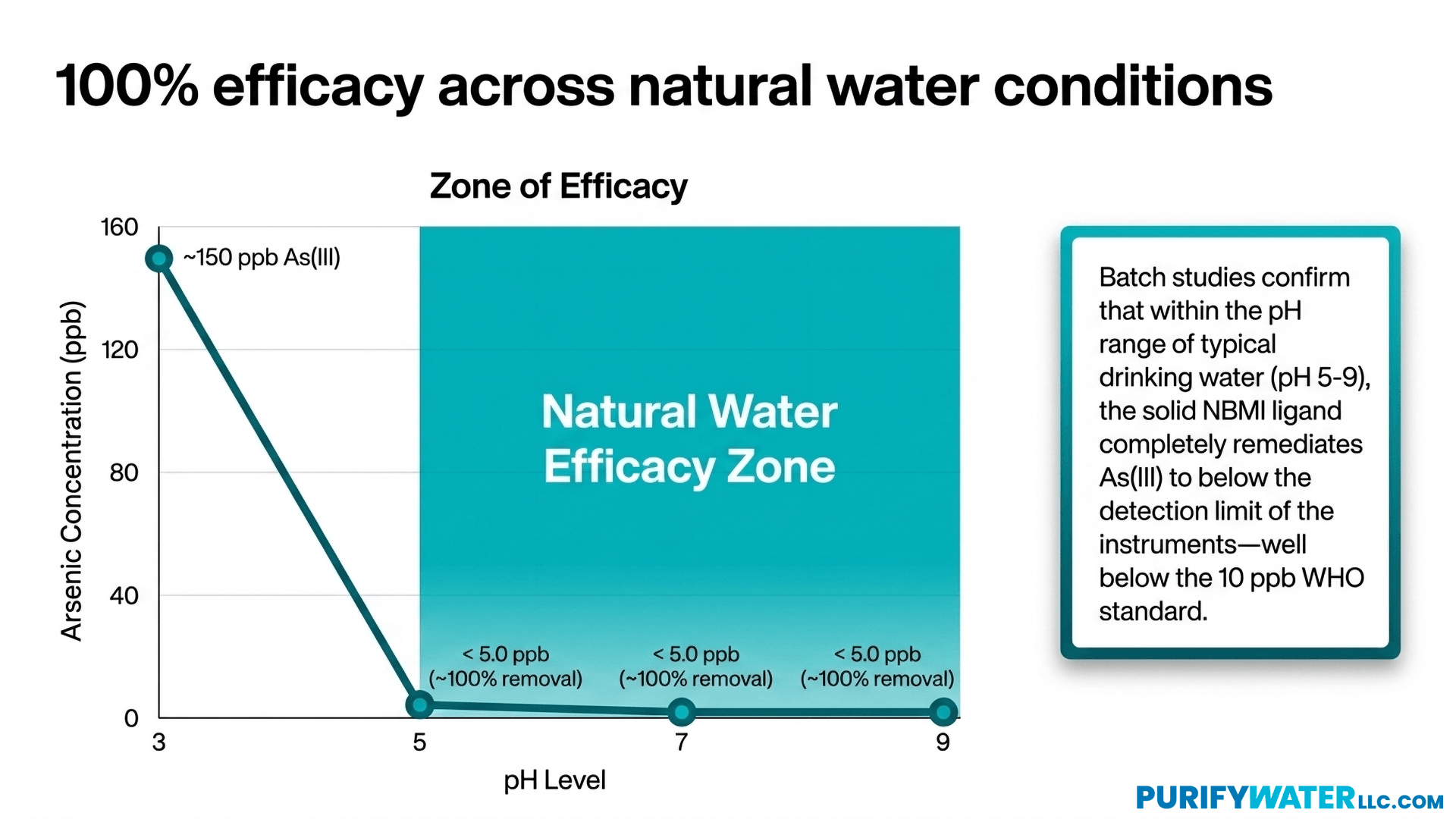
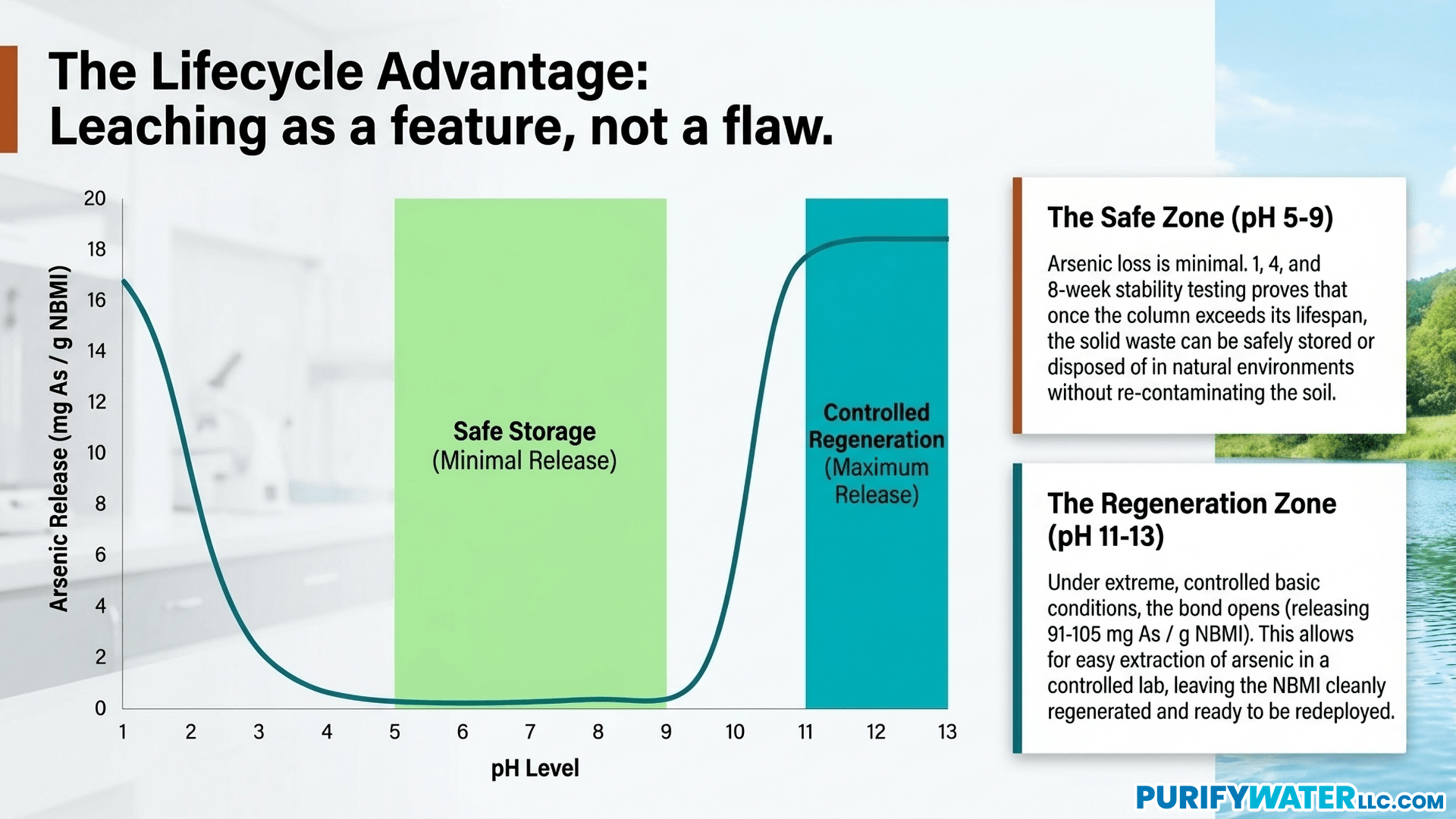
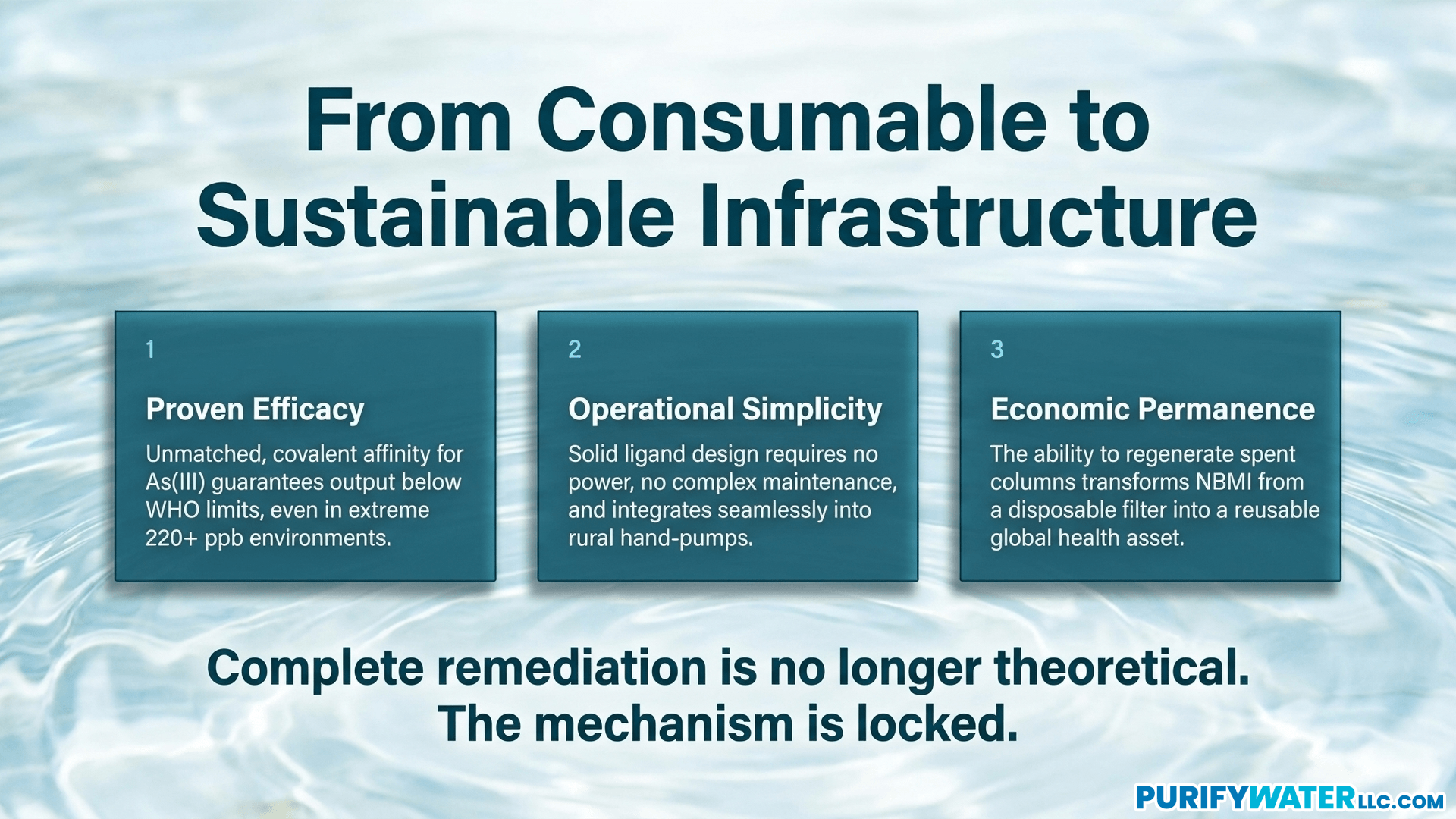
A major barrier to water filtration is the toxic sludge left behind. However, “Leaching Stability Studies” conducted by the UK team show that the solid B9-Arsenic byproduct is remarkably stable. Between pH 5 and pH 9—the typical range for natural water and soil—the arsenic remains locked in the solid, making it safe for various disposal options. Furthermore, the technology is as sustainable as it is stable. While the bond is permanent under normal conditions, the ligand can be “stripped” and regenerated under highly basic conditions. Data shows that at pH 11, arsenic leaching jumps to approximately 50–91 mg As/g, and even higher at pH 13. This allows the arsenic to be “forced” off the molecule in a controlled setting so the treatment columns can be cleaned and reused. This ability to regenerate the ligand makes the entire process both inexpensive and simple to maintain over the long term.
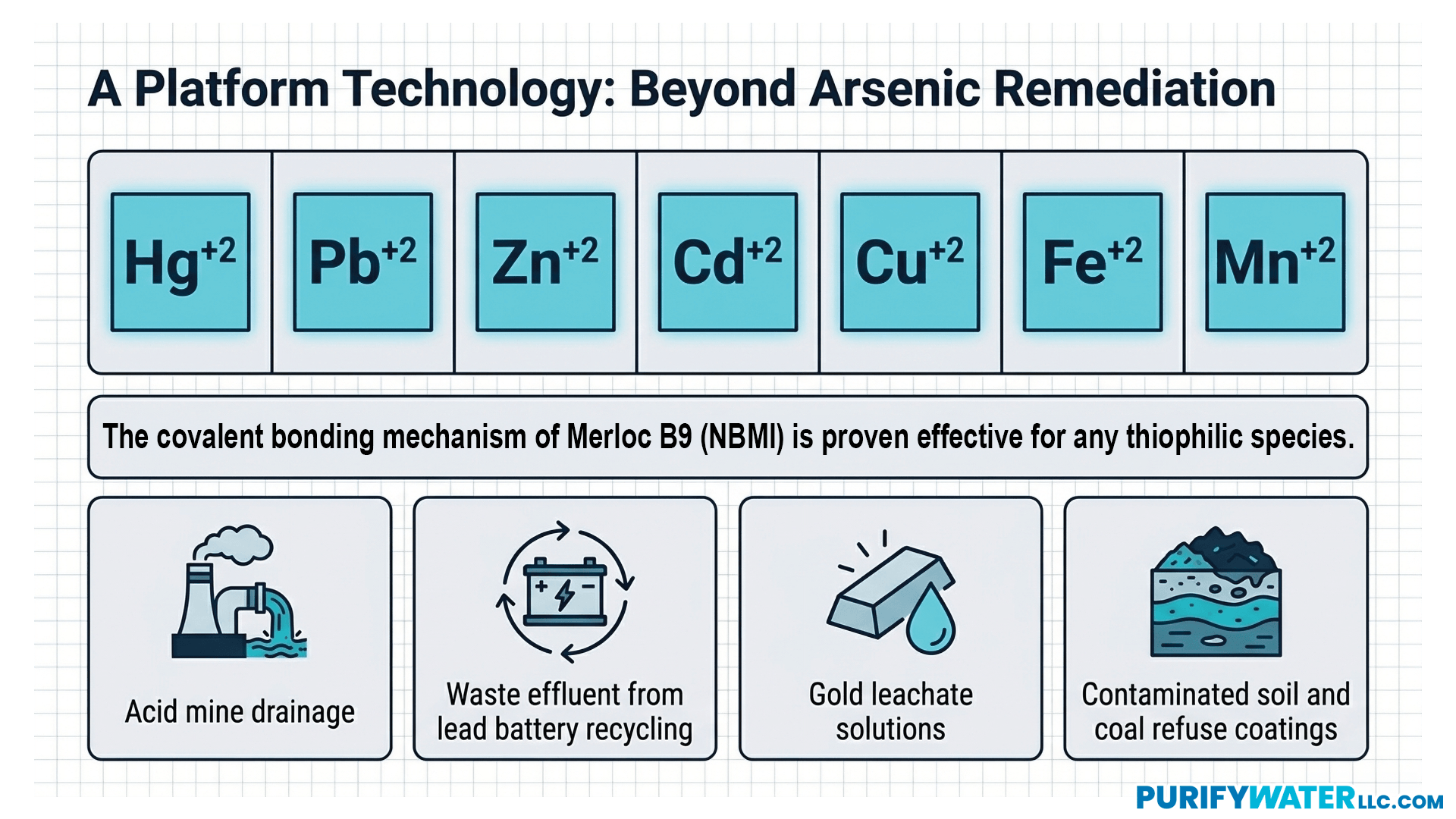
The development of the Merloc B9 (NBMI) system represents the ideal intersection of high-level molecular engineering and humanitarian necessity. By creating a method that is chemically precise yet rugged enough for a village hand-pump, researchers have provided a viable path to safety for millions of people.This success with arsenic invites a broader question: what else can we clean? Because Merloc B9 is designed to bind to “thiophilic” species, it has already shown potential in removing other dangerous metals like lead, mercury, and cadmium from acid mine drainage and industrial waste. As we face a growing global water crisis, the ability to “engineer” our way to purity offers a powerful new tool in the fight for the fundamental human right to safe drinking water.
The research described in this article was first presented as a poster, “Complete Remediation of Groundwater Arsenic Using a Merloc B9, Zerovalent Iron Filtration Column,” at the 2009 USDA-CSREES National Water Conference in St. Louis, Missouri, February 8–11, 2009. It was part of the Rural Environmental Protection poster group, shown during the poster session on Tuesday, February 10.
The poster’s authors were Lisa Y. Blue, Abhijit Mukherjee, E. Railey White, Christopher A. Preece, Alan E. Fryar and David A. Atwood of the University of Kentucky. The work was funded by Merloc, LLC of Lexington, KY; the University of Kentucky Chemistry Department; and the University of Kentucky Graduate School. The West Bengal, India well-water column testing was done in 2007–2008 by Mukherjee and Fryar using Blue’s columns.
The poster was not published as a peer-reviewed journal article. The full data appear in Chapter 3 of Lisa Blue’s 2010 University of Kentucky PhD dissertation, “Immobilization of Mercury and Arsenic Through Covalent Thiolate Bonding for the Purpose of Environmental Remediation.”
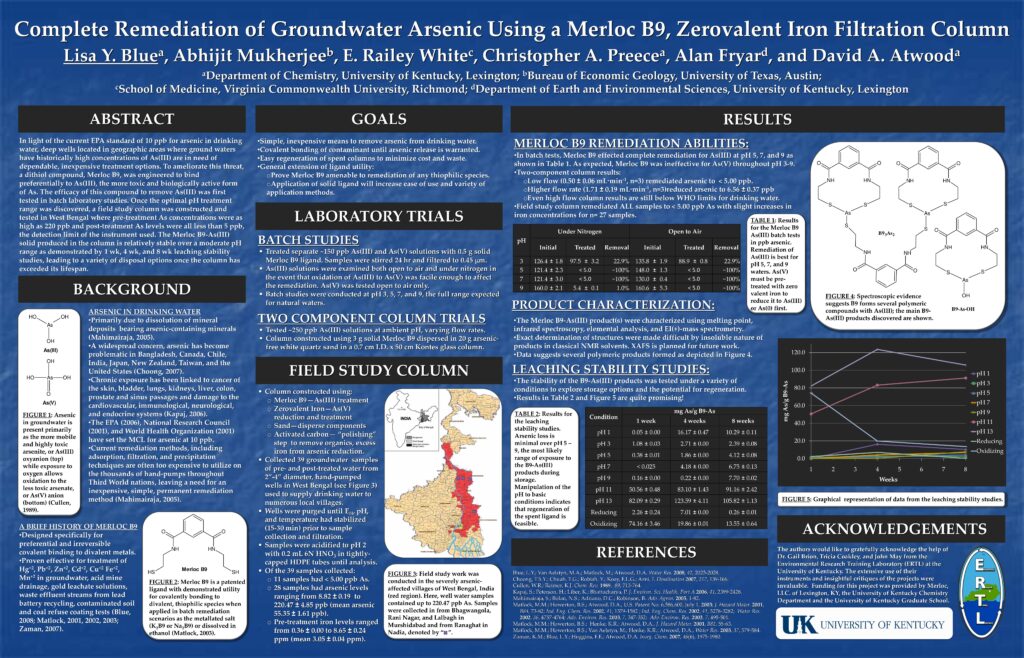
Blue LY, Mukherjee A, White ER, Preece CA, Fryar AE, Atwood DA. Complete Remediation of Groundwater Arsenic Using a Merloc B9, Zerovalent Iron Filtration Column [poster]. 2009 USDA-CSREES National Water Conference, St. Louis, MO, February 8–11, 2009. Source: 2009 conference abstract index (archived).