1. Introduction: The Mixed-Metal Wastewater Dilemma
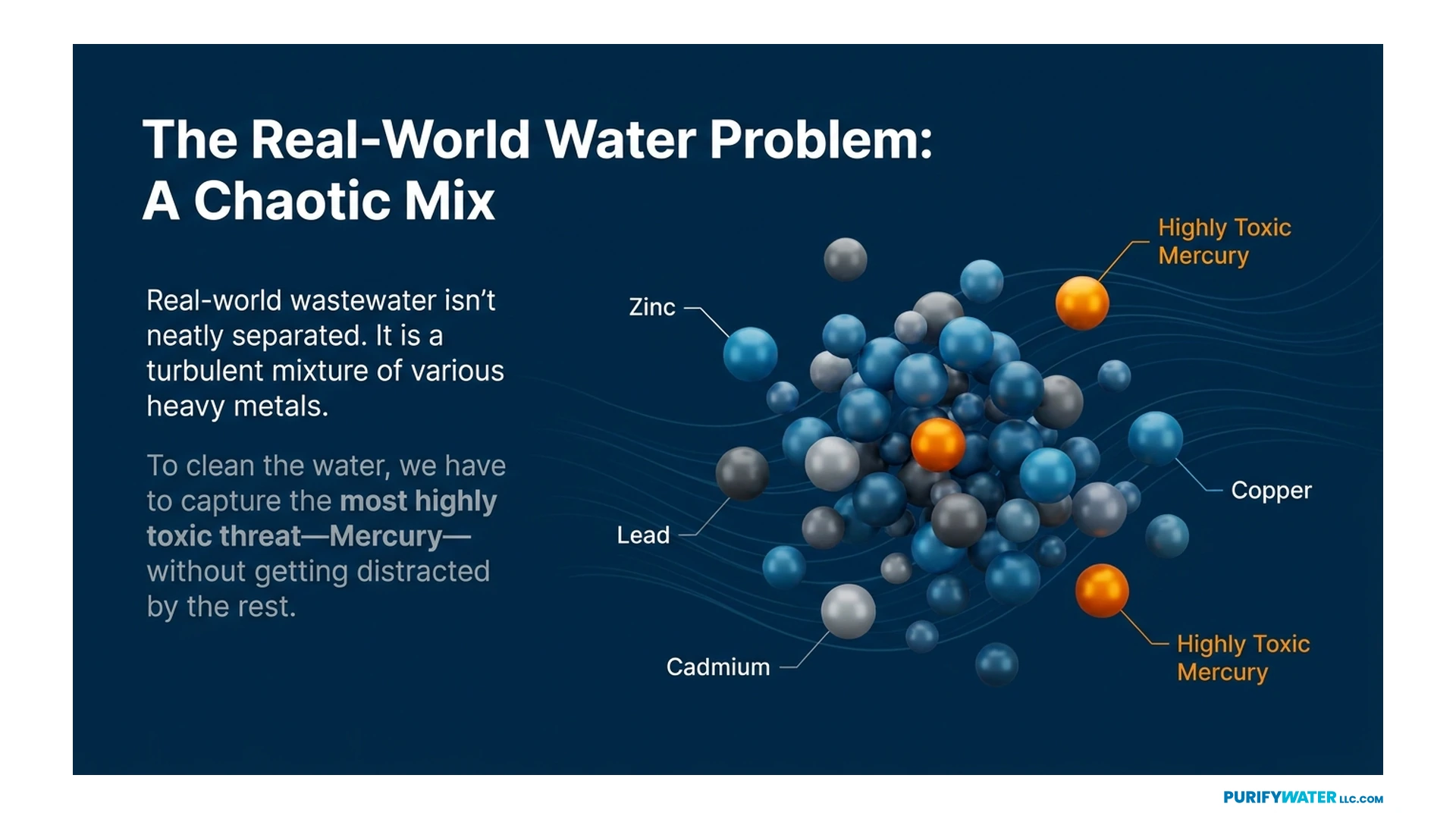
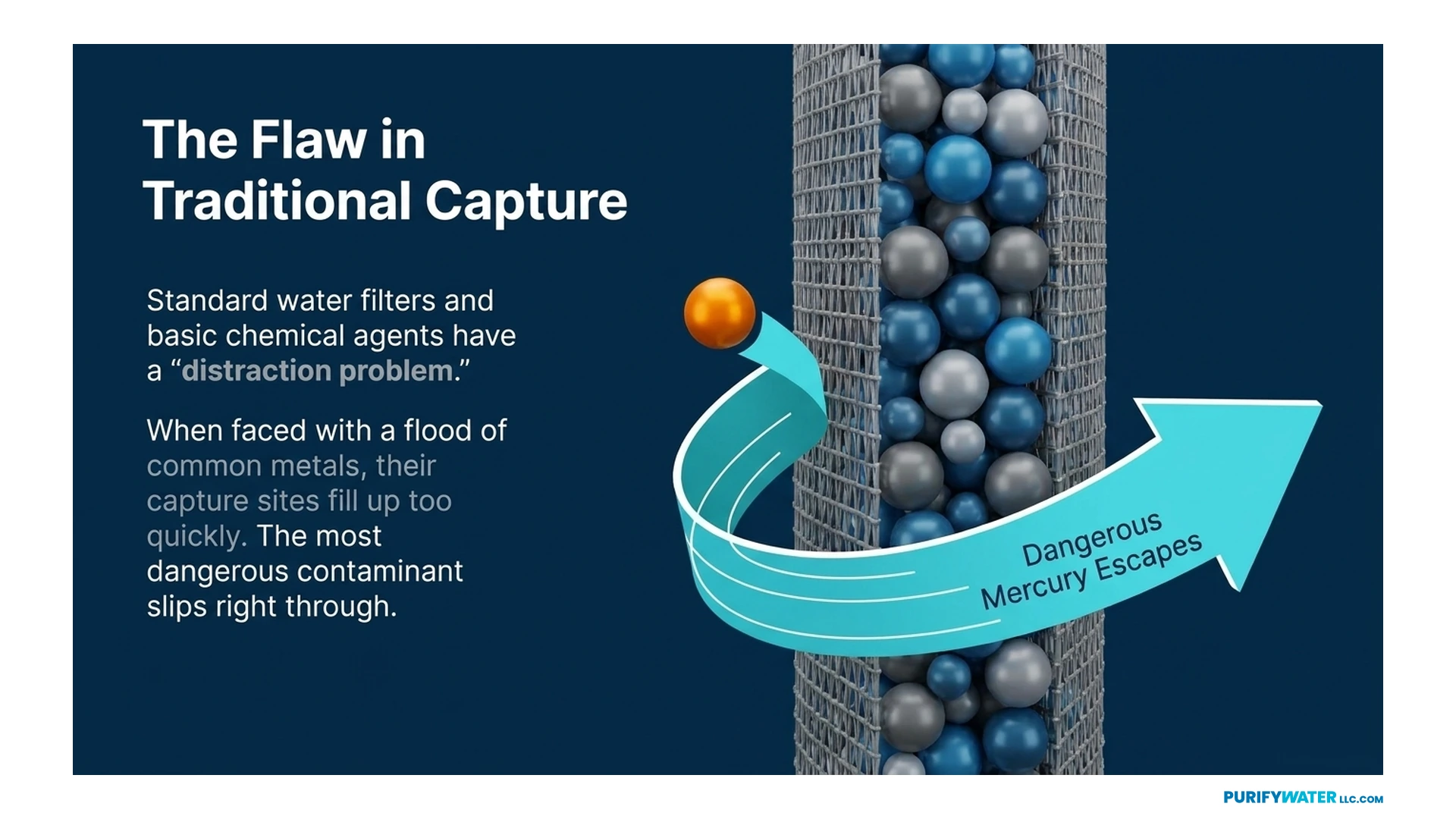
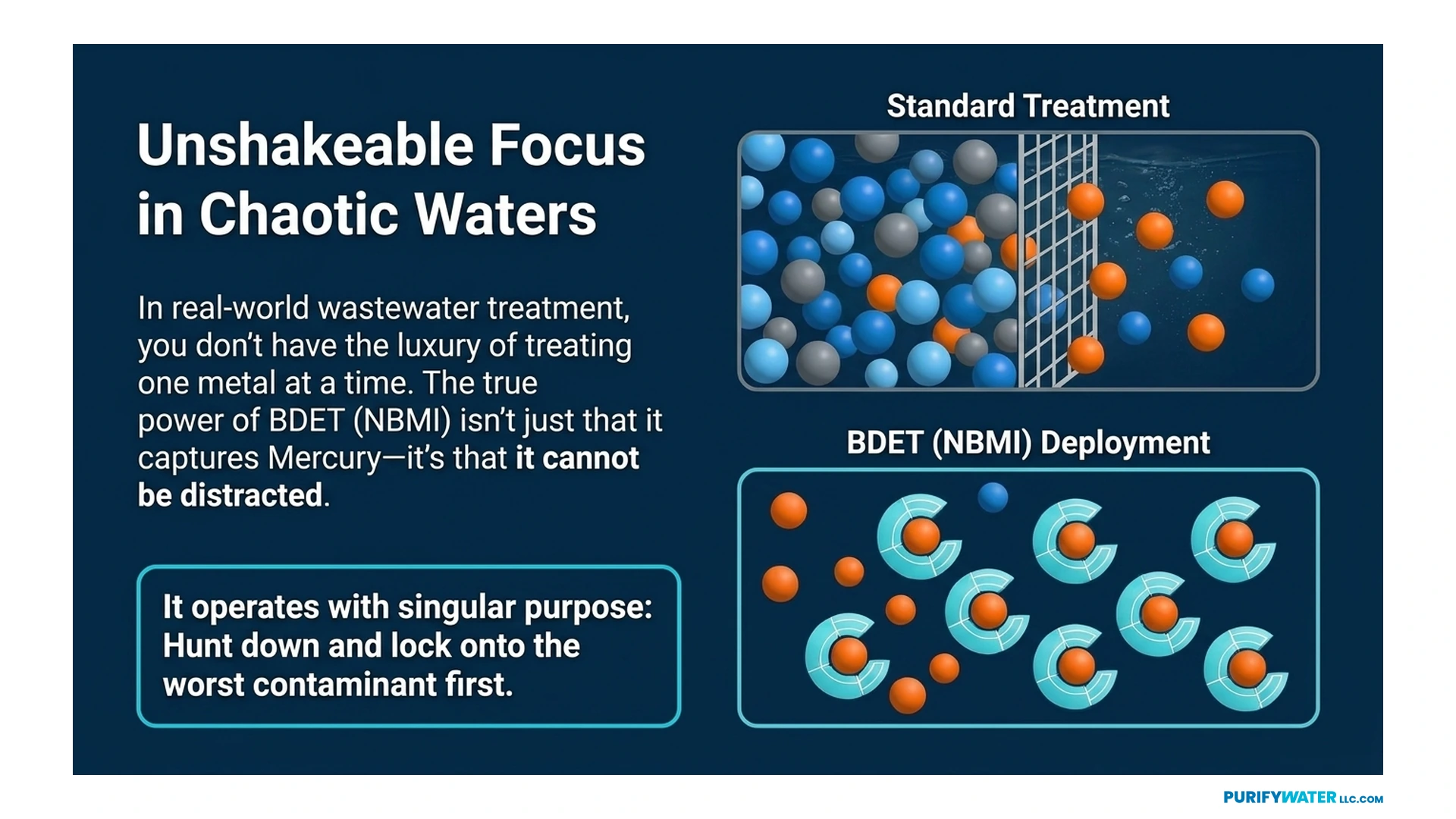
Industrial manufacturing, gold processing, and battery recycling operations frequently discharge complex wastewater streams contaminated with multiple soft heavy metals. In these mixed-metal environments, highly toxic ions such as mercury, lead, cadmium, copper, zinc, and manganese coexist in varying concentrations. Treating these heterogeneous solutions presents a major environmental engineering challenge, as standard precipitation methods often lack selectivity and fail to capture diverse toxic elements without requiring complex, multi-stage treatment steps.
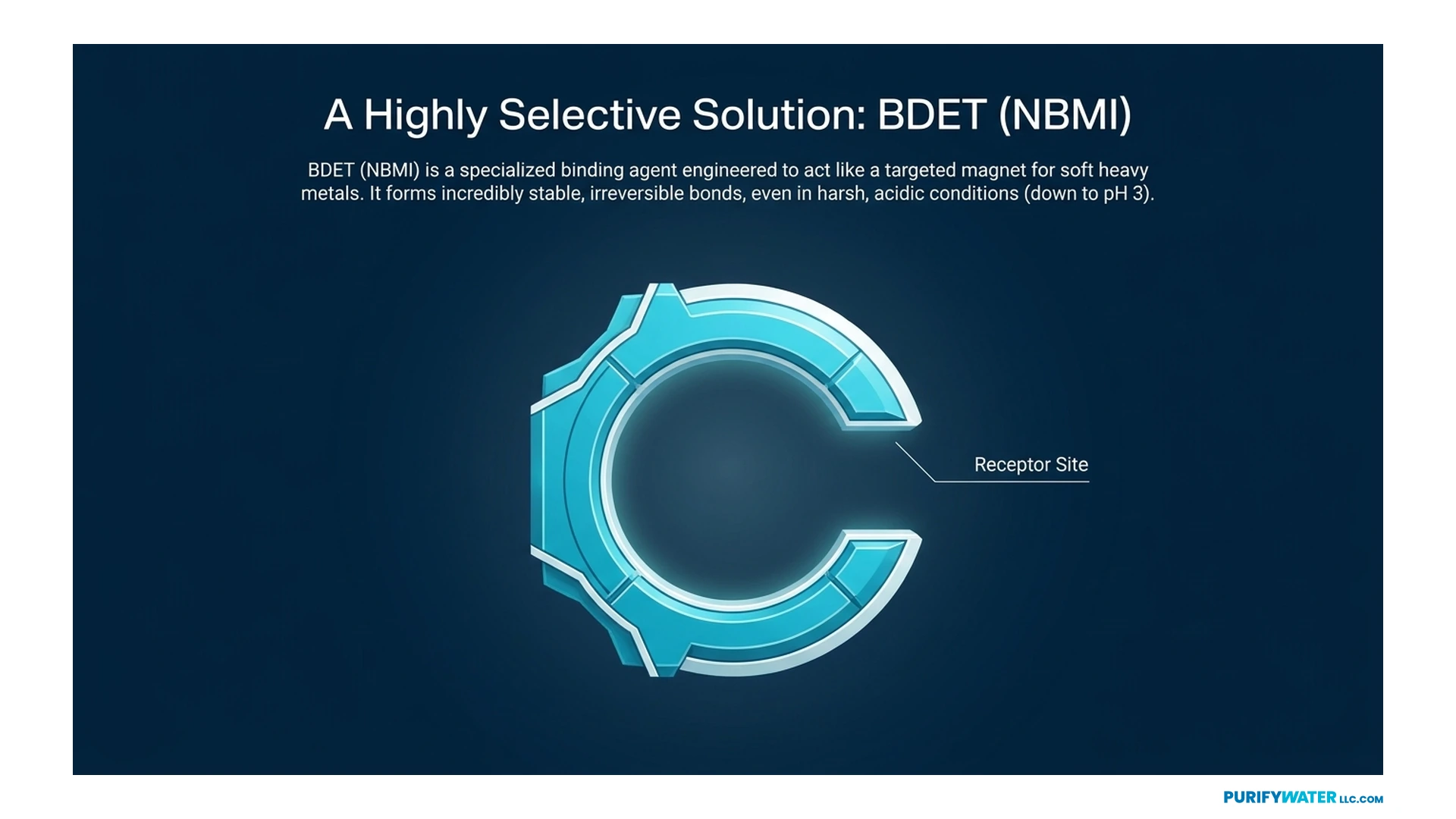
To address this challenge, environmental chemists developed disodium 1,3-benzenediamidoethanethiolate (Na₂BDET), an economical, thiol-based multidentate ligand. Designed to precipitate soft heavy metals rapidly, BDET forms solid, highly insoluble metal-ligand compounds that lock dangerous contaminants into solid precipitates, allowing them to be safely filtered out of aqueous systems.
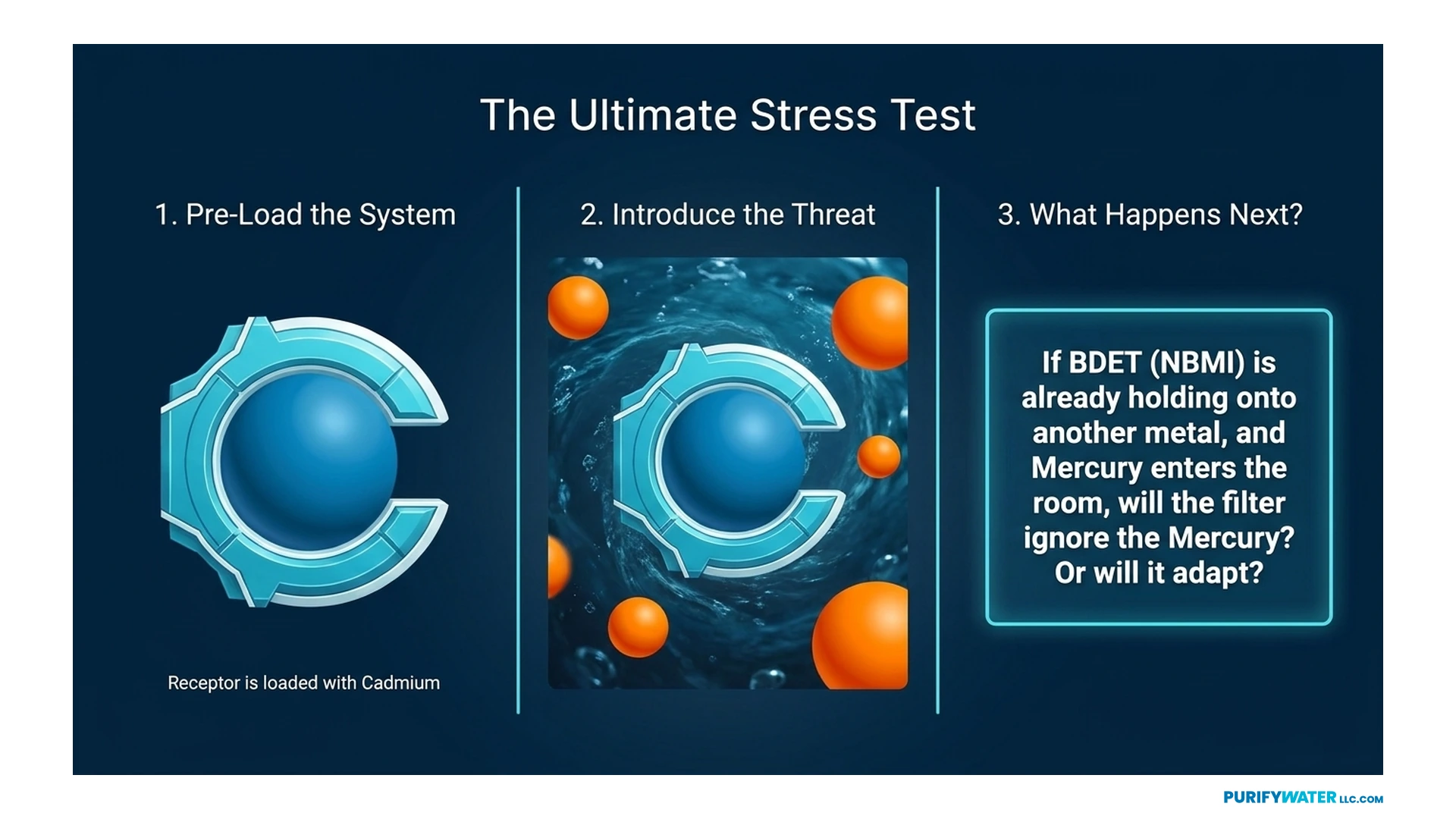
However, real-world industrial effluents are rarely uniform or pristine. This reality raises a fundamental scientific question: What happens when multiple heavy metals compete for the same chemical binder, or when a bound metal meets a free toxic ion? Comprehensive leaching experiments reveal four critical takeaways regarding how BDET navigates complex, mixed-metal aqueous environments.
Watch:
How NBMI (BDET) Captures Mercury From Toxic Wastewater | Purify Water LLC
2. Takeaway 1: Mercury Reigns Supreme — The Unstoppable Metal Displacer
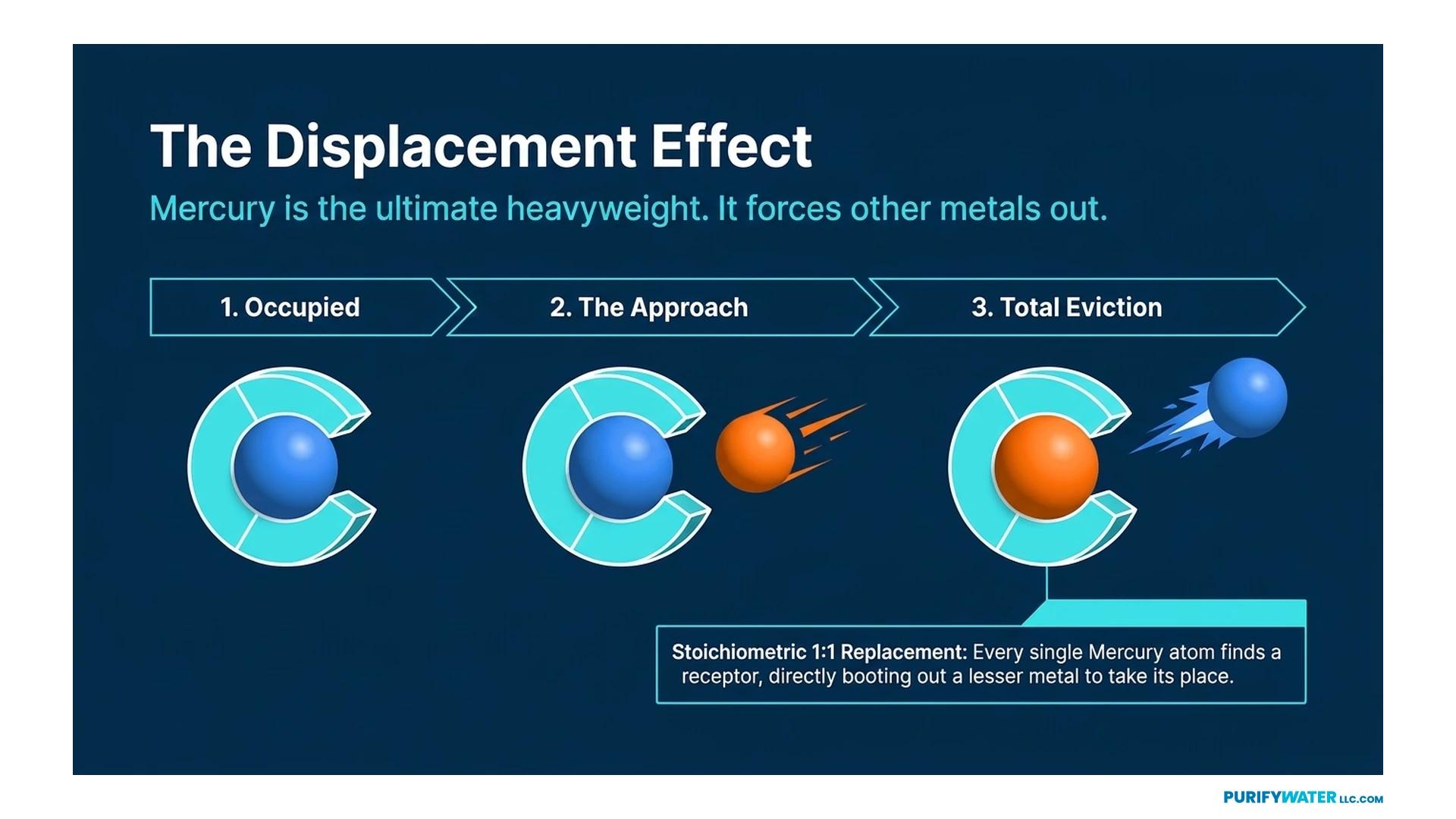
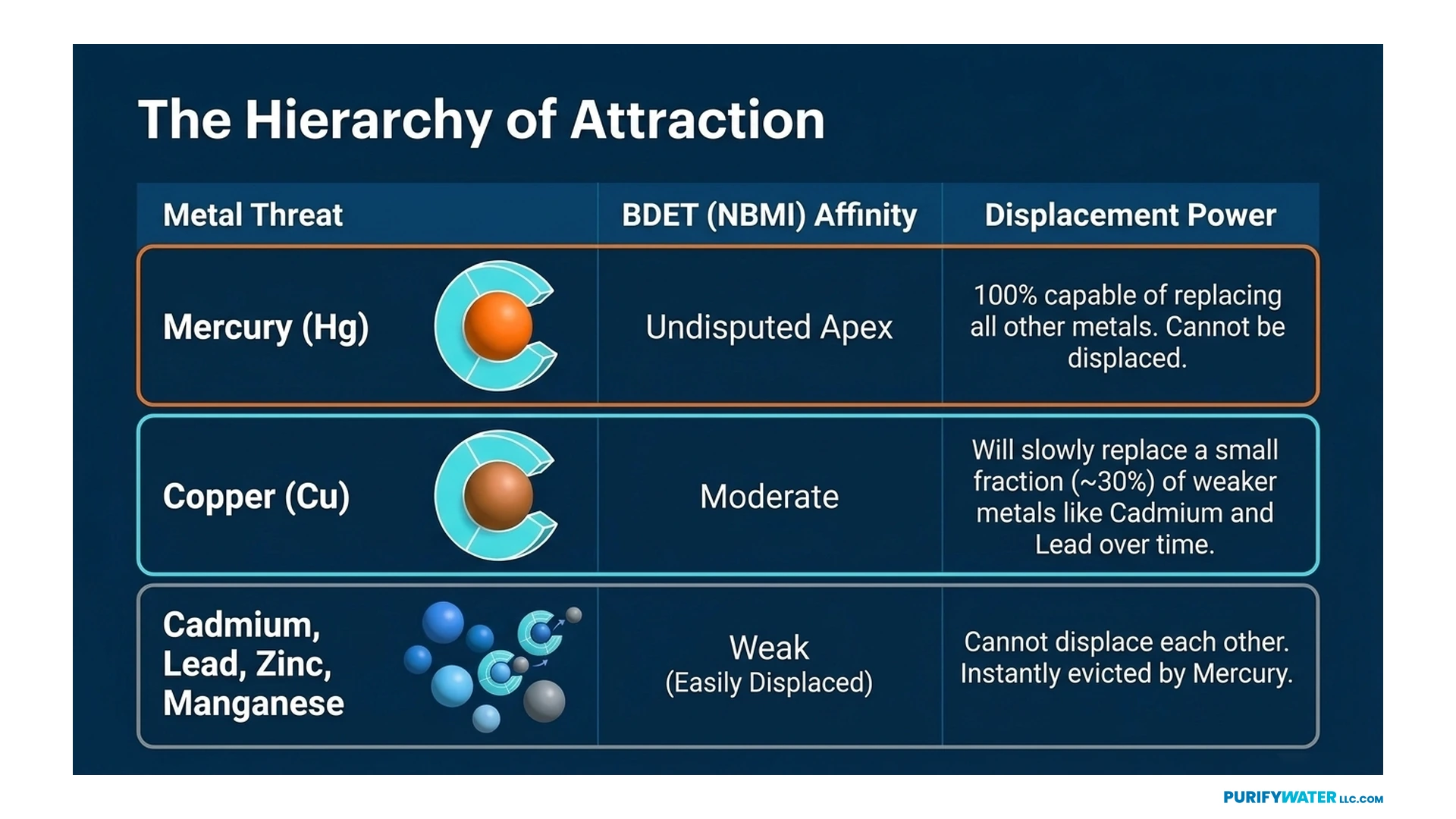
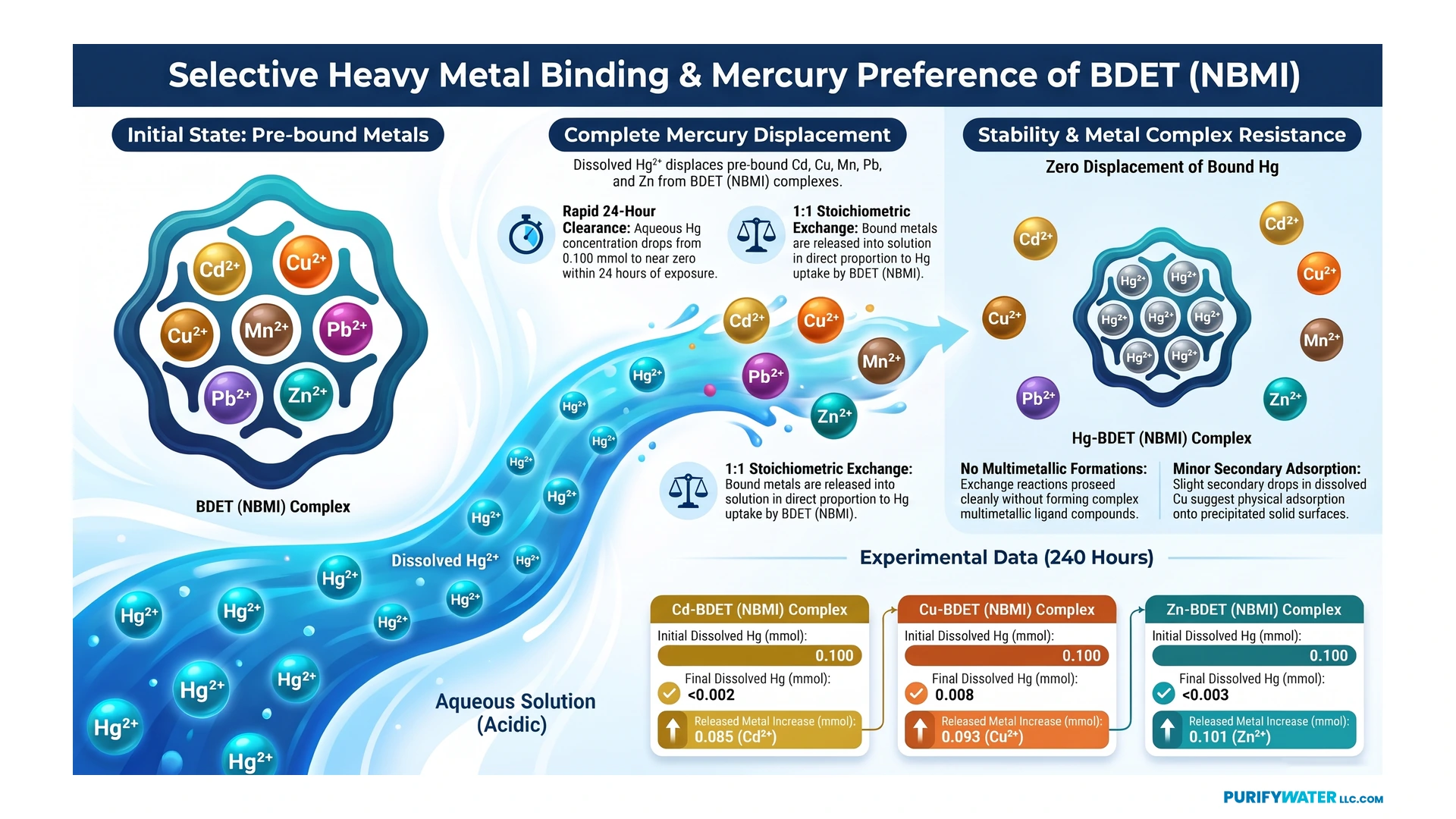
The fundamental finding of the leaching studies is that dissolved divalent mercury (Hg²⁺) possesses an overwhelming thermodynamic preference for the BDET ligand. Thiol-based molecules naturally exhibit high affinity for soft heavy metals due to soft-acid/soft-base chemical interactions, mirroring the binding selectivity established in xanthate chemistry (Hg²⁺>Cu²⁺>Cd²⁺>Zn²⁺) and stability concepts similar to the Irving-Williams series. When solid BDET compounds containing bound metals—such as cadmium (Cd²⁺), copper (Cu²⁺), manganese (Mn²⁺), lead (Pb²⁺), or zinc (Zn²⁺)—are exposed to solution streams containing free mercury, aqueous mercury aggressively displaces the pre-bound metals from the solid ligand core.
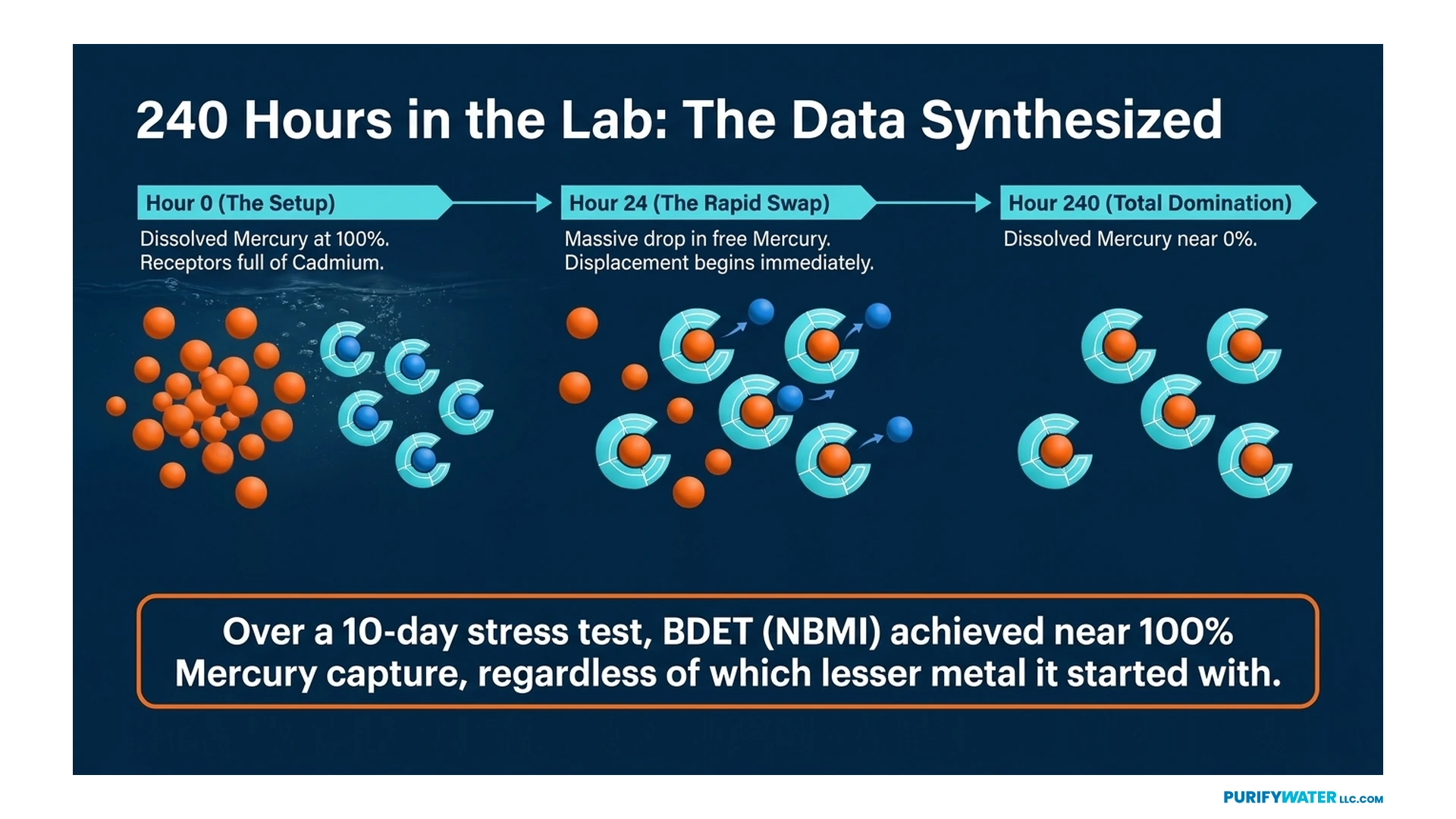
Experimental data illustrates the speed and completeness of this displacement. In 240-hour leaching tests conducted under a nitrogen purge in pH 3 aqueous solutions containing 0.100 mmol of each competing metal, dissolved mercury concentrations dropped precipitously. For example, when 0.100 g of solid Cd-BDET (containing 0.253 mmol of bound Cd) was placed into the multi-metal solution, dissolved mercury plummeted from 0.100 mmol to 0.006±0.003 mmol within 24 hours. By 240 hours, aqueous mercury fell below the experimental detection limit (0.002±0.005 mmol, based on CVAF analytical sensitivity), while dissolved cadmium rose from 0.100 mmol to 0.185±0.009 mmol.
Because the 0.100 g sample of solid BDET precipitate contains a molar excess of bound metal relative to the 0.100 mmol of aqueous mercury in solution (e.g., 0.253 mmol of bound Cd in Cd-BDET, 0.288 mmol in Zn-BDET, 0.204 mmol in Pb-BDET, and 0.296 mmol in Mn-BDET), displacement is bounded by the available aqueous mercury. Mercury completely consumes itself to enter the solid ligand, leaving the remaining excess target metal safely bound in the solid phase. Crucially, control experiments demonstrated that this rule is non-reversible: none of the other soft metals (Cd, Cu, Mn, Pb, or Zn) could displace detectable amounts of mercury from solid Hg-BDET.
"The leaching studies indicate that dissolved Hg has a strong tendency to displace Cd, Cu, Mn, Pb, and Zn from the BDET structure."
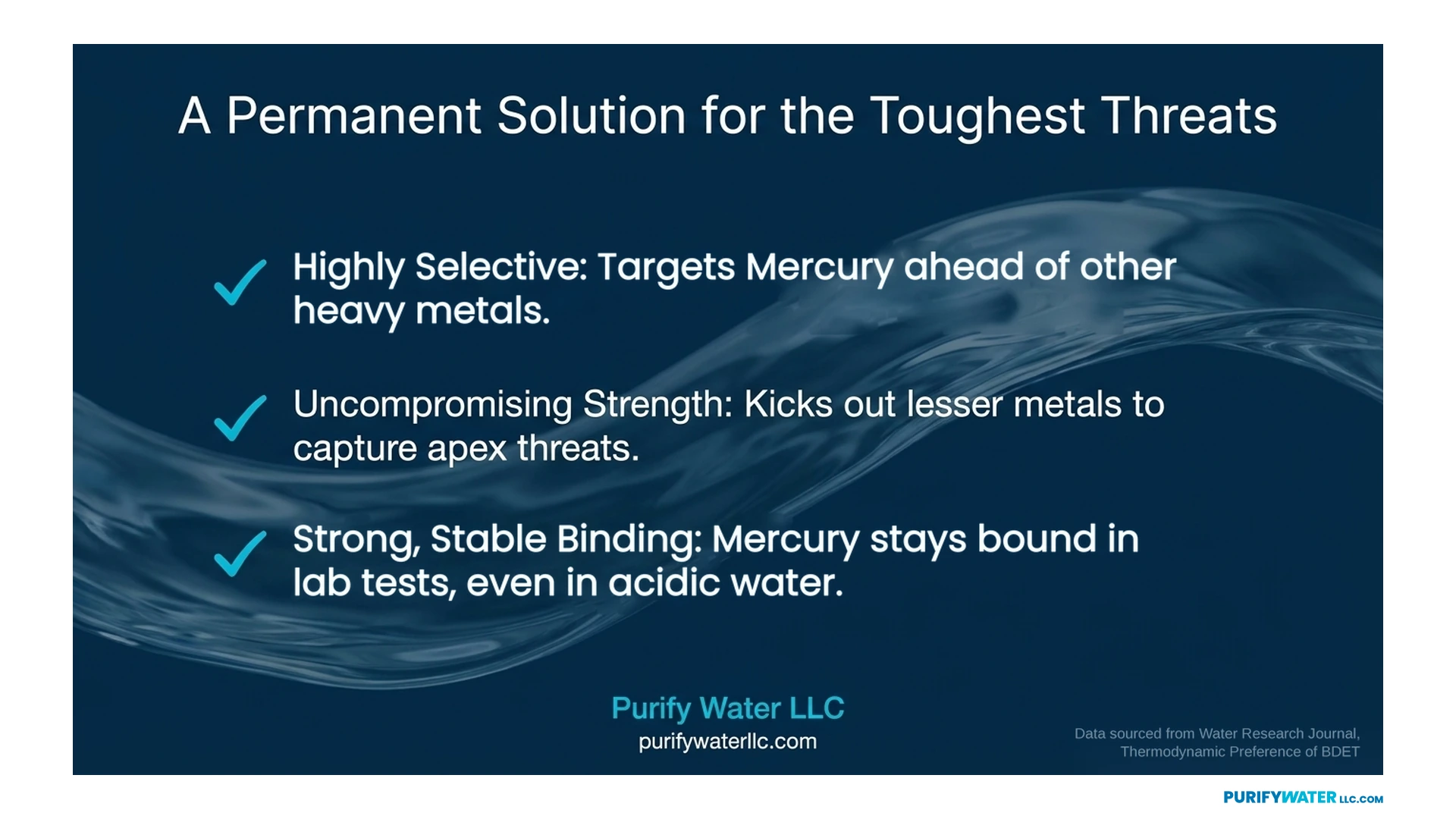
This absolute chalcophilic preference guarantees that even if BDET binds lesser hazardous metals first during initial treatment, it will automatically prioritize capturing high-priority mercury ions whenever they enter the system.
3. Takeaway 2: Precise 1:1 Hijacking — Clean Chemistry Without Complex Surprises
When chemical substitution occurs in environmental remediation, unexpected multi-metallic complexes or chaotic side-reactions can complicate wastewater management. BDET avoids these pitfalls by executing metal displacement via a remarkably clean, 1:1 stoichiometric exchange.
Quantitative tracking of displacement reactions reveals near-perfect mirror-image curves between the entering mercury and the exiting displaced metal. In the Zn-BDET system, the release of 0.101±0.001 mmol of zinc into solution directly matched the uptake of 0.099±0.003 mmol of mercury into the solid ligand. Similarly, during Cu-BDET leaching, dissolved copper increased from 0.100 mmol to 0.193±0.0006 mmol as aqueous mercury dropped to 0.008±0.004 mmol.
While single-metal replacement by mercury drove most systems, the research revealed an intriguing multi-metal displacement exception in Mn-BDET. Because manganese binds less tightly within the ligand structure, displacement was not exclusively driven by mercury: 0.087±0.005 mmol of Hg²⁺, 0.026±0.009 mmol of Pb²⁺, and 0.014±0.001 mmol of Cu²⁺ simultaneously displaced manganese into solution (totaling 0.127 mmol of substituted metals).
Aside from this specific hierarchical exchange in manganese, the ligand maintained predictable 1:1 reaction ratios. For plant engineers, this predictability allows exact calculations of chemical dosing and displacement yields without interference from unexpected multi-metallic byproducts.
4. Takeaway 3: Bulletproof Stability in Harsh Acidic Conditions
Precise 1:1 stoichiometric reactivity would be of little practical use if the resulting metal precipitates simply dissolved when exposed to acidic industrial runoff. BDET precipitates overcome this limitation by demonstrating exceptional physical and chemical resilience under severe environmental stress.
Characterization testing confirmed that all synthesized BDET-metal compounds (Pb, Hg, Cd, Cu, Mn, Zn) possess no detectable solubility in pure water. Furthermore, the leaching experiments proved that these solid precipitates maintain their structural integrity and metal-retention capabilities in strongly acidic environments maintained at pH 3 across the entire 240-hour evaluation period.
This acid stability is vital for real-world environmental remediation. Standard precipitants frequently fail or re-dissolve when treating acidic mine drainage or acidic industrial effluents, re-releasing toxic metals into surrounding watersheds. BDET’s ability to keep metals permanently locked in solid form under low pH conditions ensures long-term sequestration.
5. Takeaway 4: The Bonus "Sponge Effect" — Secondary Adsorption of Free Metals
Beyond its primary mechanism of stoichiometric chemical displacement inside the ligand core, BDET precipitates exhibit a secondary physical behavior: the solid particles physically adsorb additional unbound metal ions from the surrounding liquid.
This secondary effect was most prominent with dissolved copper (Cu²⁺). During Cd-BDET leaching, aqueous copper concentrations dropped from 0.100 mmol to 0.071±0.004 mmol over 240 hours. A similar reduction occurred during Pb-BDET leaching, where roughly one-third of the aqueous copper was removed from solution. Because copper was not chemically replacing the primary metal inside the ligand core in these specific runs, this reduction was driven by physical surface adsorption onto the precipitate particles—acting much like commercial coagulating or flocculating agents. The researchers noted that while physical adsorption explains most secondary drops, the Cd/Cu system may also involve a minor chemical equilibrium mechanism.
This physical surface action acts as an extra layer of purification, removing additional dissolved heavy metals alongside core chemical precipitation.
6. Conclusion: Reimagining Targeted Toxic Metal Remediation
The leaching dynamics of 1,3-benzenediamidoethanethiol (BDET) establish it as a highly efficient, targeted precipitant for complex wastewater treatment. By combining an absolute thermodynamic priority for mercury, predictable 1:1 stoichiometric displacement, bulletproof stability at pH 3, and a secondary surface-adsorption effect, BDET provides a robust molecular solution for isolating hazardous heavy metals from contaminated water systems.
As industrial manufacturing faces increasingly strict water quality regulations, could targeted molecular design based on thermodynamic binding hierarchies hold the key to the next generation of environmental cleanup technologies?
*Click any graphic to view a larger version.