1. Introduction: The Hidden Threat in Our Water
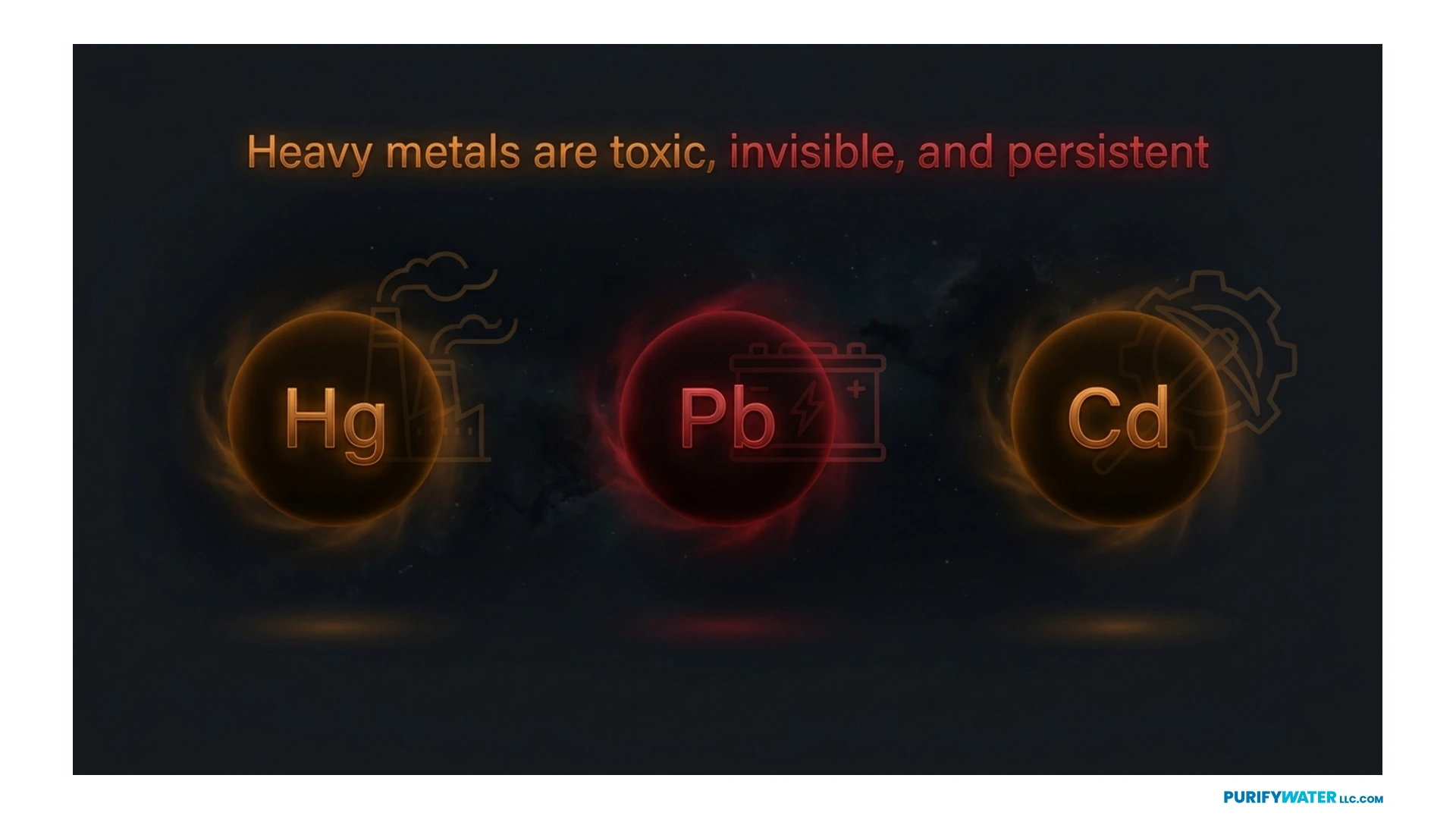
Heavy metal contamination—specifically from cadmium, mercury, and lead—poses a severe environmental and public health crisis when discharged into natural water sources and industrial wastewater streams. Traditional remediation systems often struggle to catch these toxic divalent cations (Cd2+, Hg2+, Pb2+), leaving persistent hazards in municipal and industrial effluents.
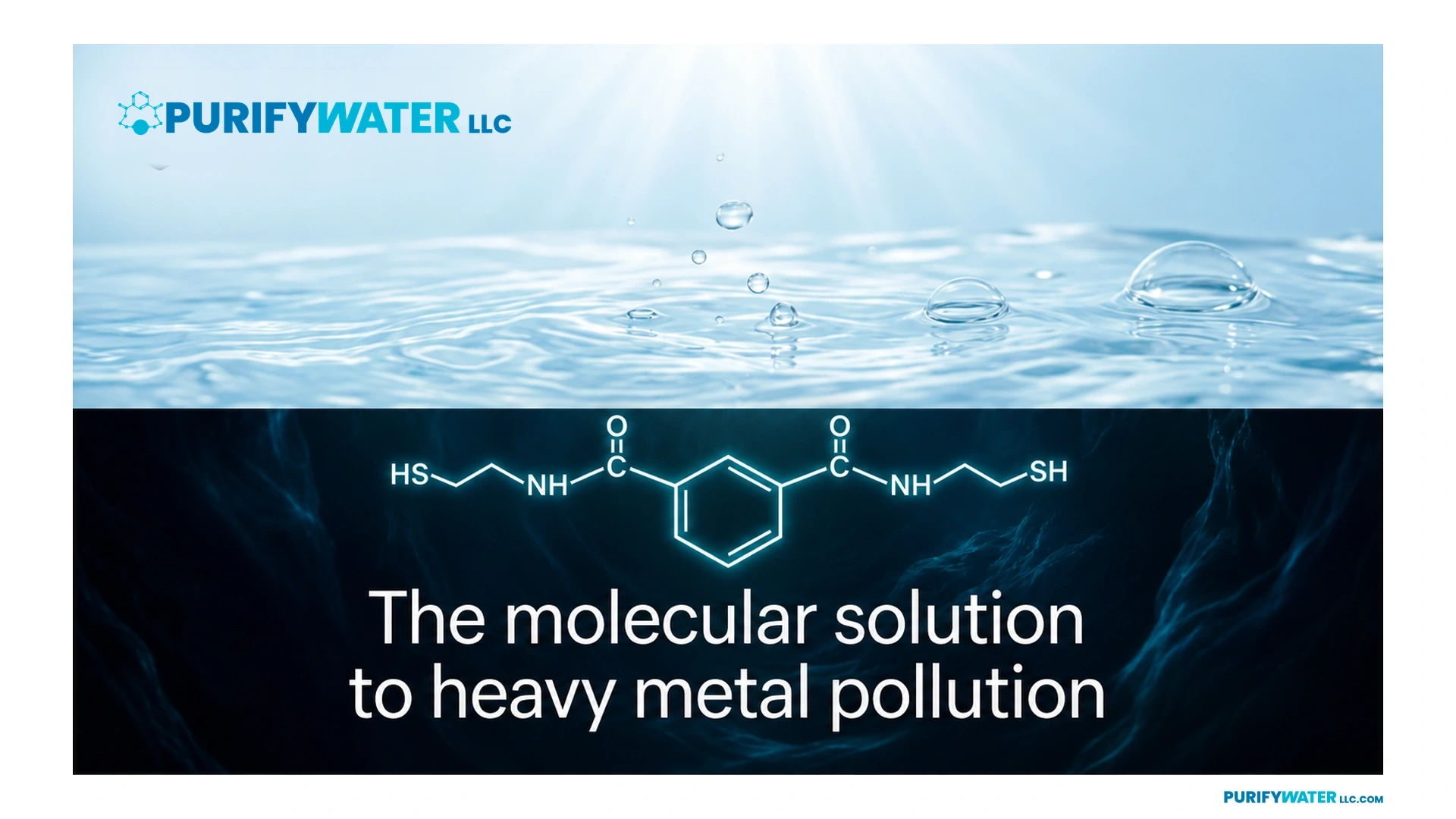
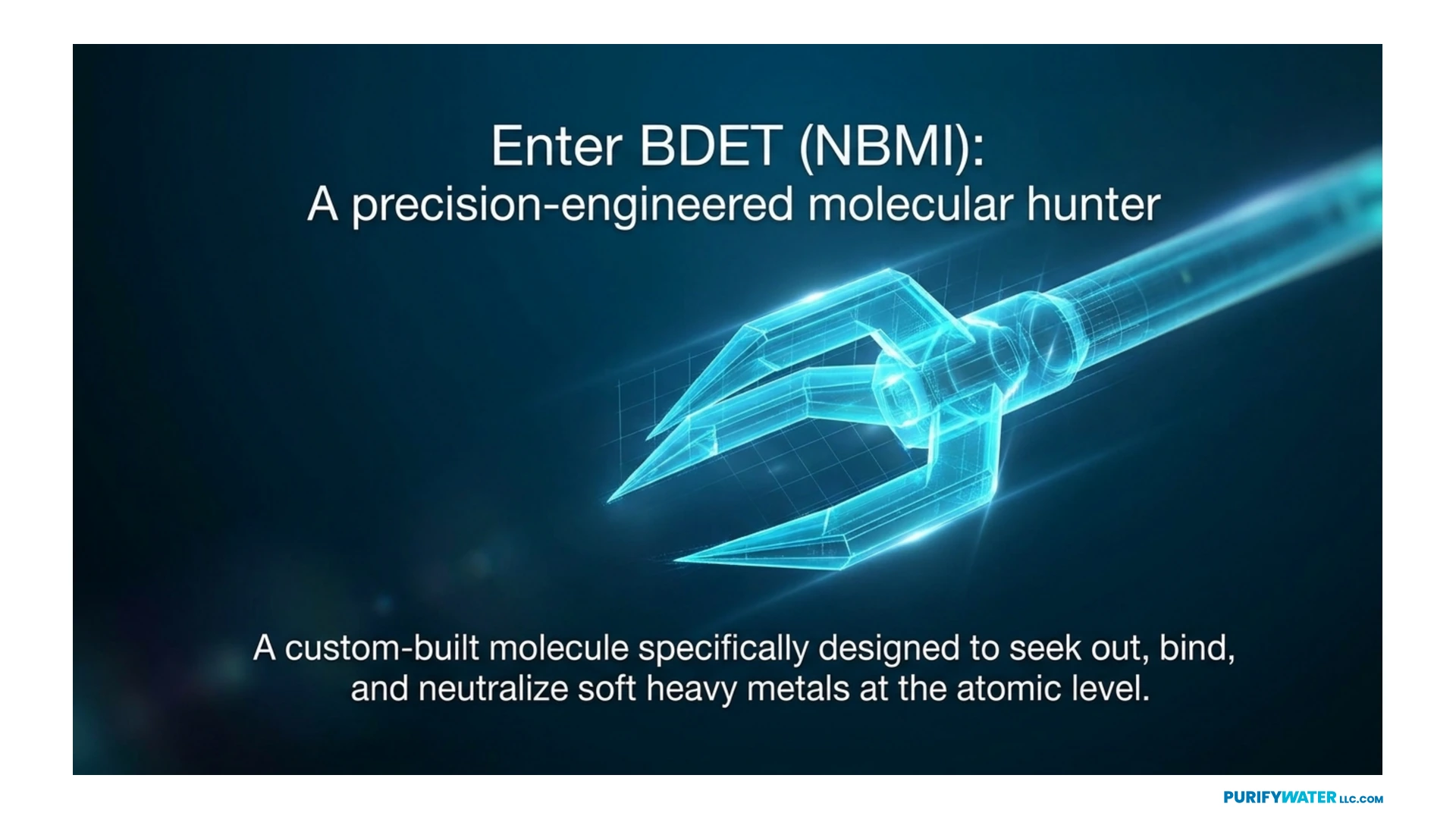
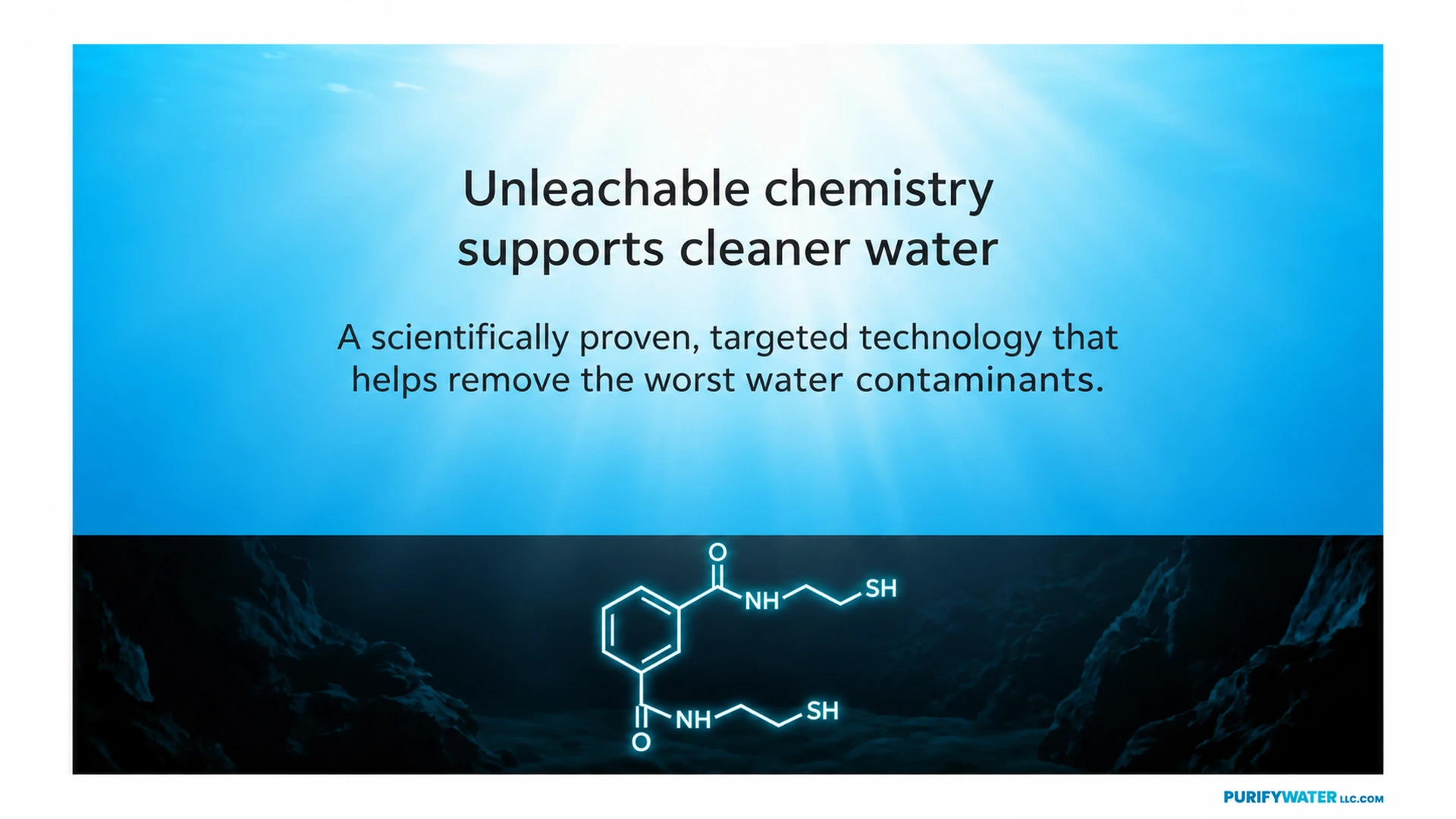
At Purify Water LLC (purifywaterllc.com), advanced chemistry is reshaping how we eliminate toxic elements from our water supplies. A leading innovation in this field is BDET (NBMI)—also known throughout scientific literature as BDETH2 or by its trade name, MetX. BDET (NBMI) is a custom-engineered precipitation agent designed to permanently bind and remove soft heavy metals from aqueous environments. Versatile in application, it can be delivered directly as a sodium salt or as an ethanolic solution of the unmetallated ligand, offering unmatched efficiency in industrial water purification.
Watch:
The Molecular Vault: How BDET (NBMI) Traps Heavy Metals
2. Lightning-Fast Metals Removal (Over 99% of Lead Gone in 15 Minutes)
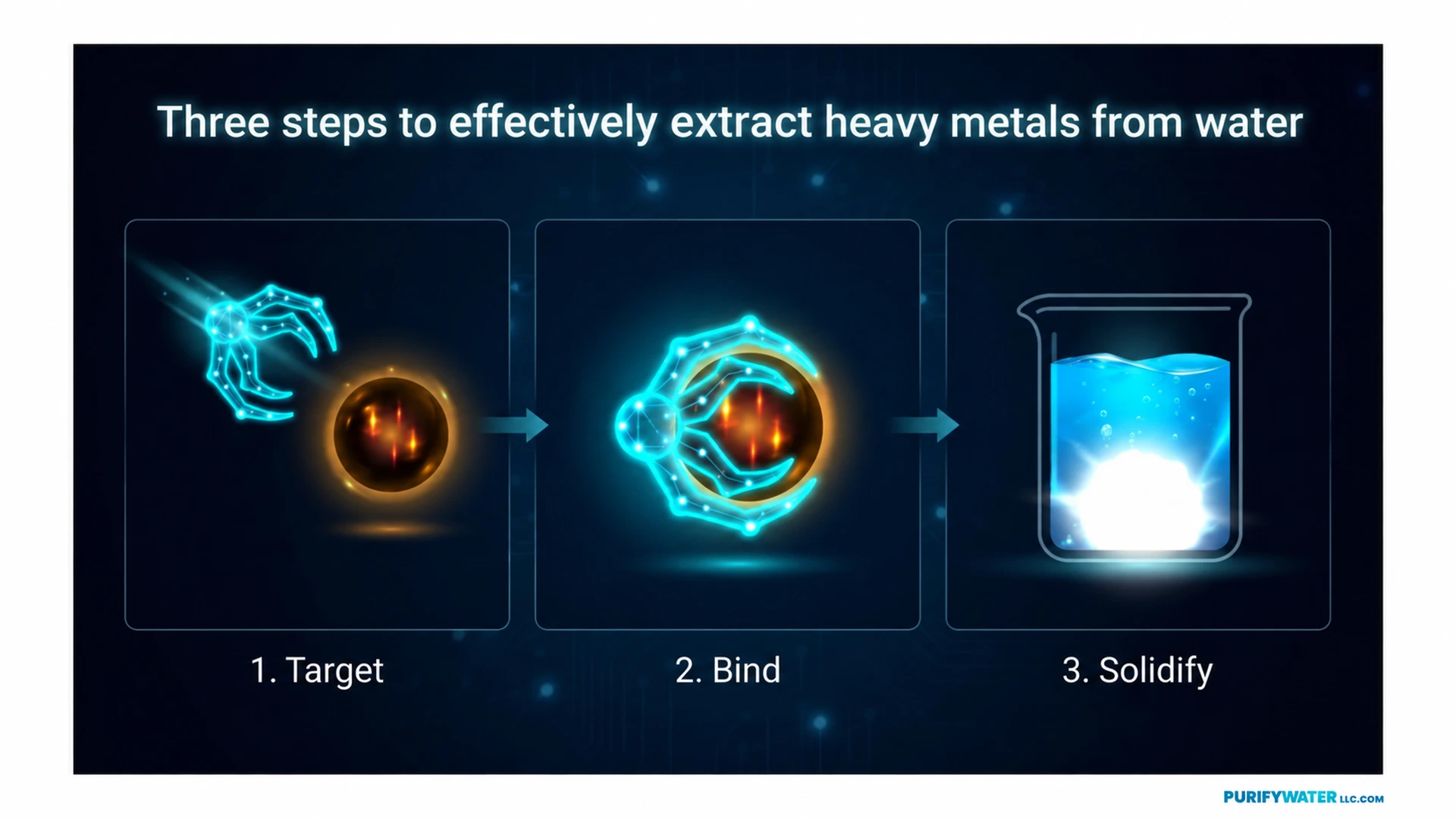
BDET (NBMI) rapidly reacts with divalent metal cations (Cd2+, Hg2+, Pb2+), locking them into solid precipitates that instantly separate from aqueous solutions.
In controlled laboratory tests using 50 ppm solutions of lead or mercury, adding BDET (NBMI) in ethanol reduced metal levels below analytical detection limits—measured via ICP-OES for lead (<0.020 ppm) and CVAF for mercury (<0.0005 ppm)—within 6 hours at pH 4 and 6.
Even more striking is its performance in real-world industrial settings:
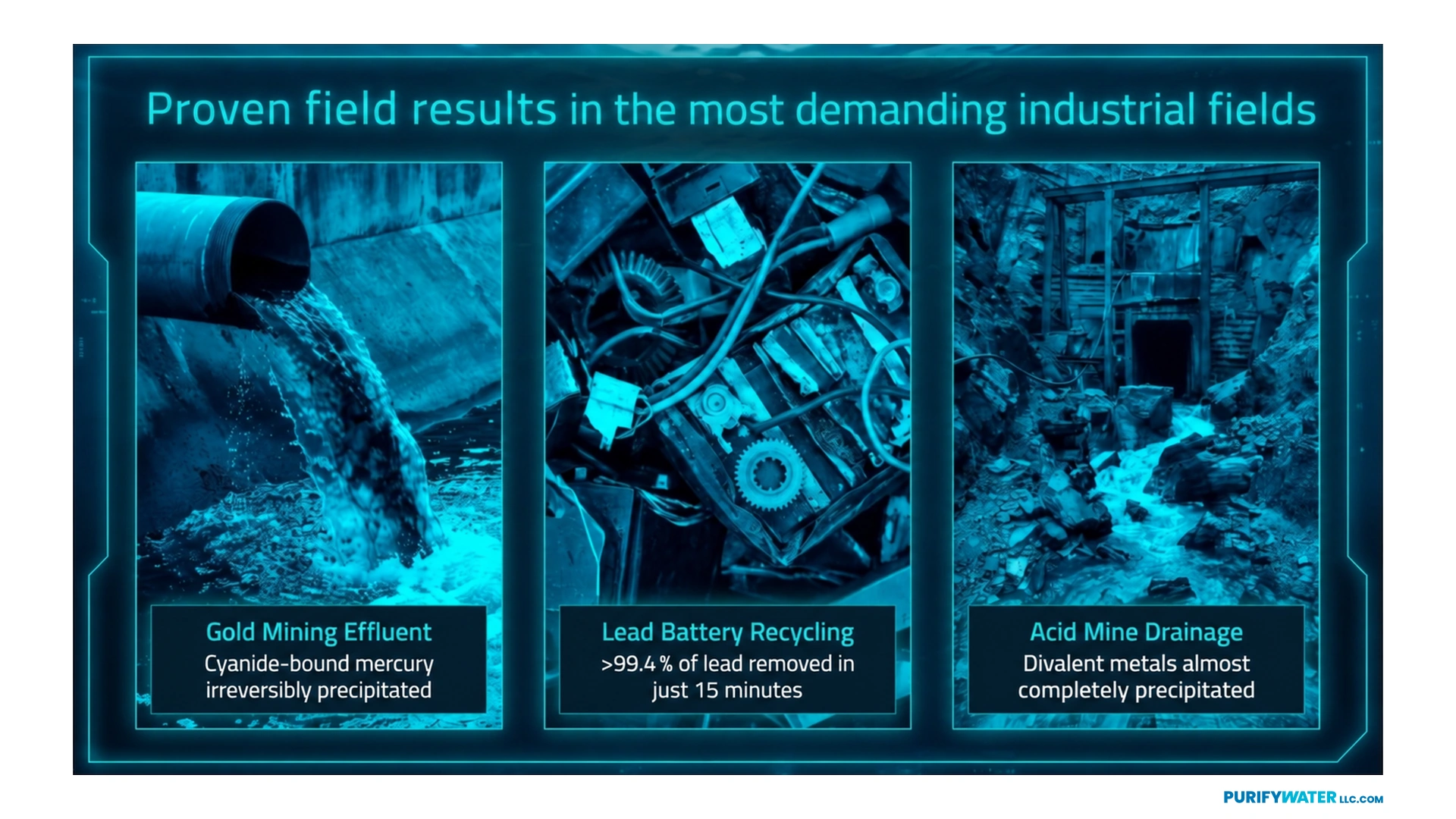
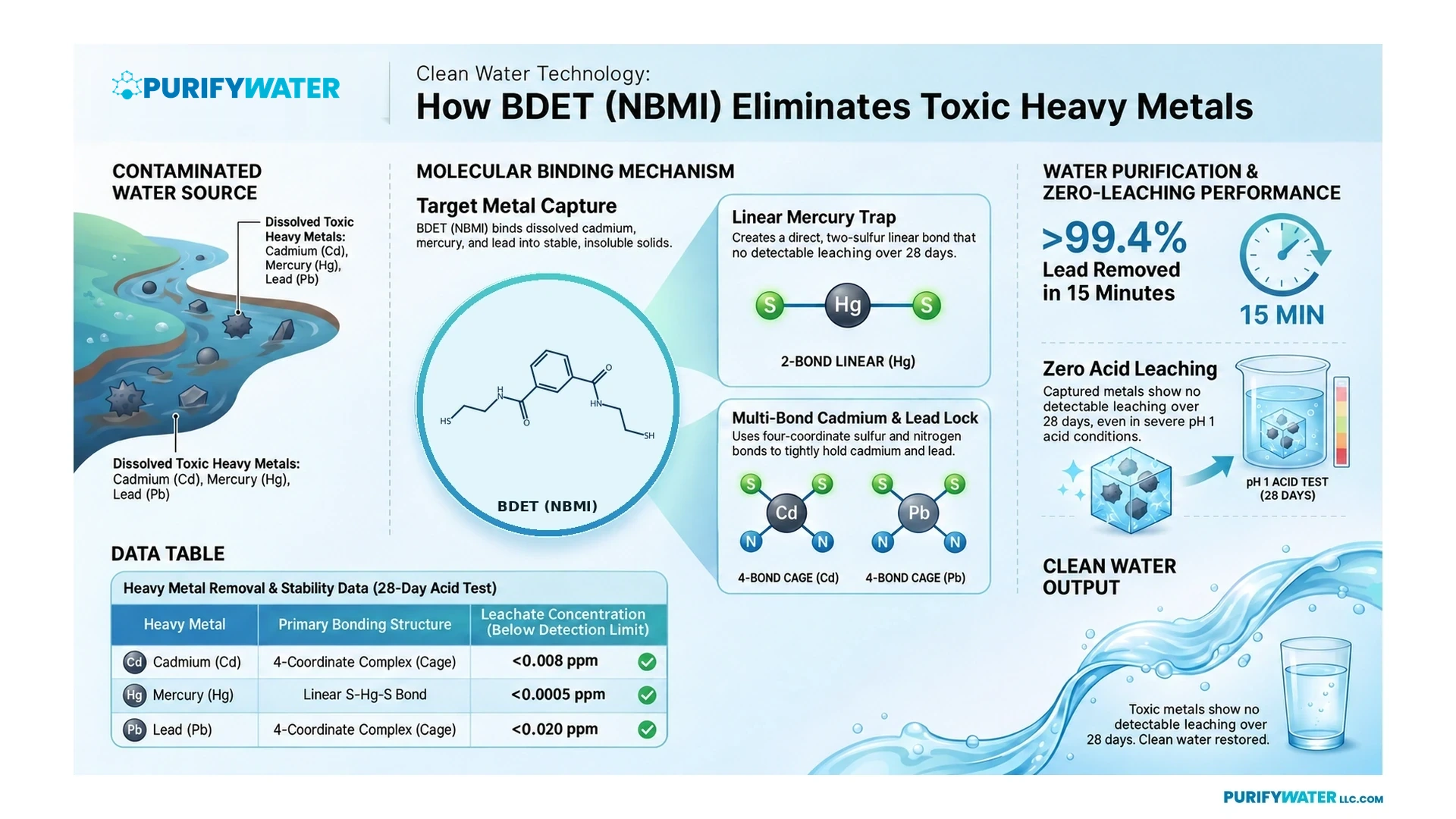
- Lead Battery Recycling Sites (LBRS): In wastewater carrying an average initial lead concentration of 3.61 ppm, a stoichiometric 1:1 molar dose of the sodium salt form (BDETNa) removed over 99.4% of lead in just 15 minutes.
- Active Gold Mining Effluent: In South American gold mining sites containing complex cyanide-bearing solutions, BDET (NBMI) irreversibly bound and precipitated mercury despite the presence of competing complexing agents.
- Acid Mine Drainage (AMD): Treatment of AMD solutions yielded near-complete precipitation of target metals, reducing Iron (Fe) from 2.70 ppm to <0.009 ppm and Manganese (Mn) from 0.913 ppm to <0.001 ppm.
| Water Source / Metal Target | Treatment Result / Speed |
|---|---|
| Lab Solutions (50 ppm Lead or Mercury) | Metal levels dropped below detection limits (ICP-OES / CVAF) within 6 hours. |
| Lead Battery Recycling (3.61 ppm Lead) | >99.4% lead removed in 15 minutes using a 1:1 molar dose of BDETNa. |
| Gold Mining Effluent (Cyanide-containing) | Mercury irreversibly bound and precipitated despite complexing agents. |
| Acid Mine Drainage (Fe: 2.70 ppm, Mn: 0.913 ppm) | Fe reduced to <0.009 ppm; Mn reduced to <0.001 ppm. |
"Whether applied to high-acid mining runoffs, cyanide-laden tailing ponds, or battery recycling wastewater, BDET (NBMI) exhibits remarkable speed and industrial versatility in locking up toxic metals."
3. The "Acid-Proof" Lock (Zero Metal Leaching Even at pH 1)
Conventional wastewater precipitation agents frequently fail under acidic conditions, allowing bound metals to redissolve and leach back into groundwater supplies. BDET (NBMI) solves this flaw through an "acid-proof" chemical design.
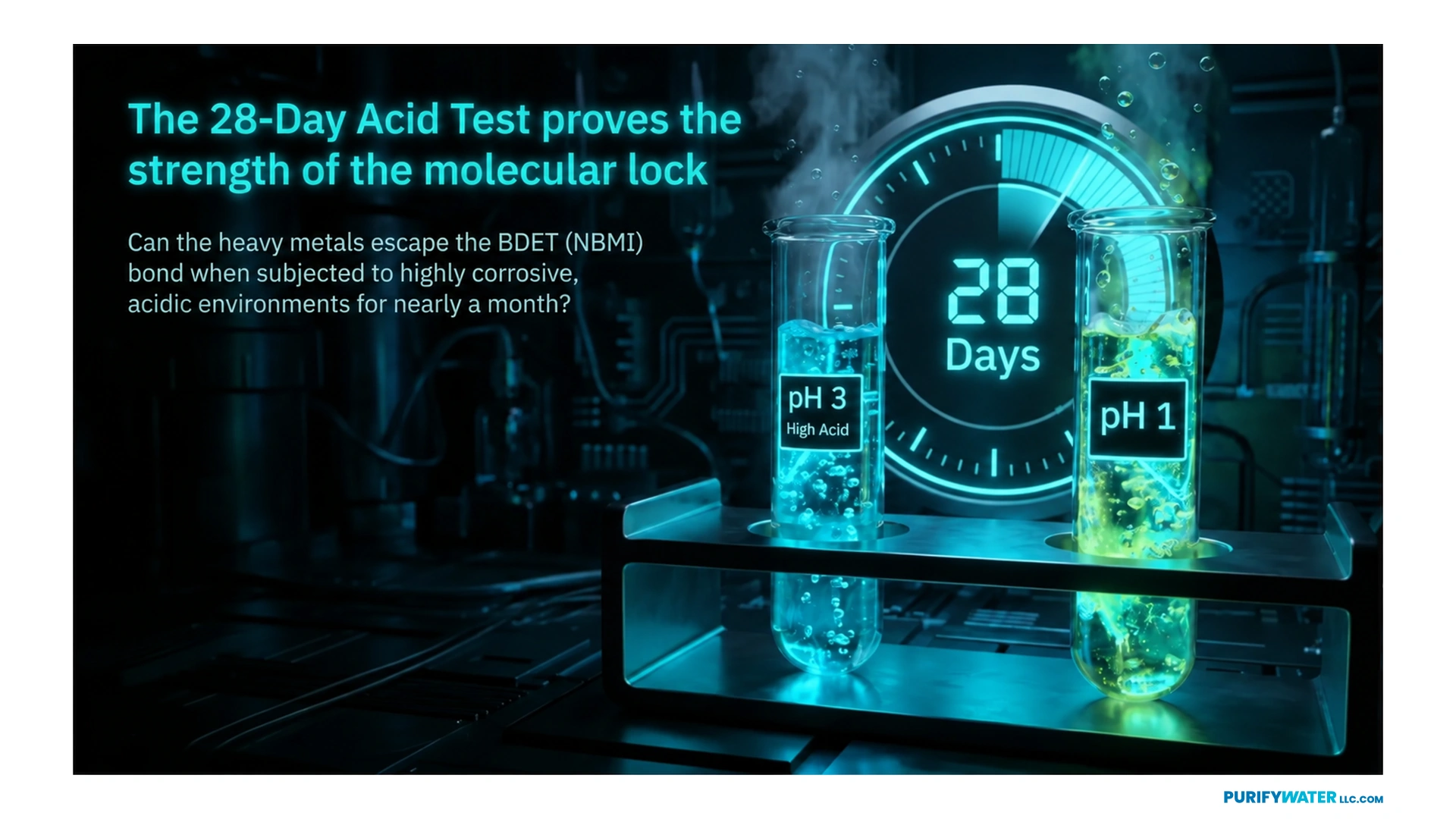
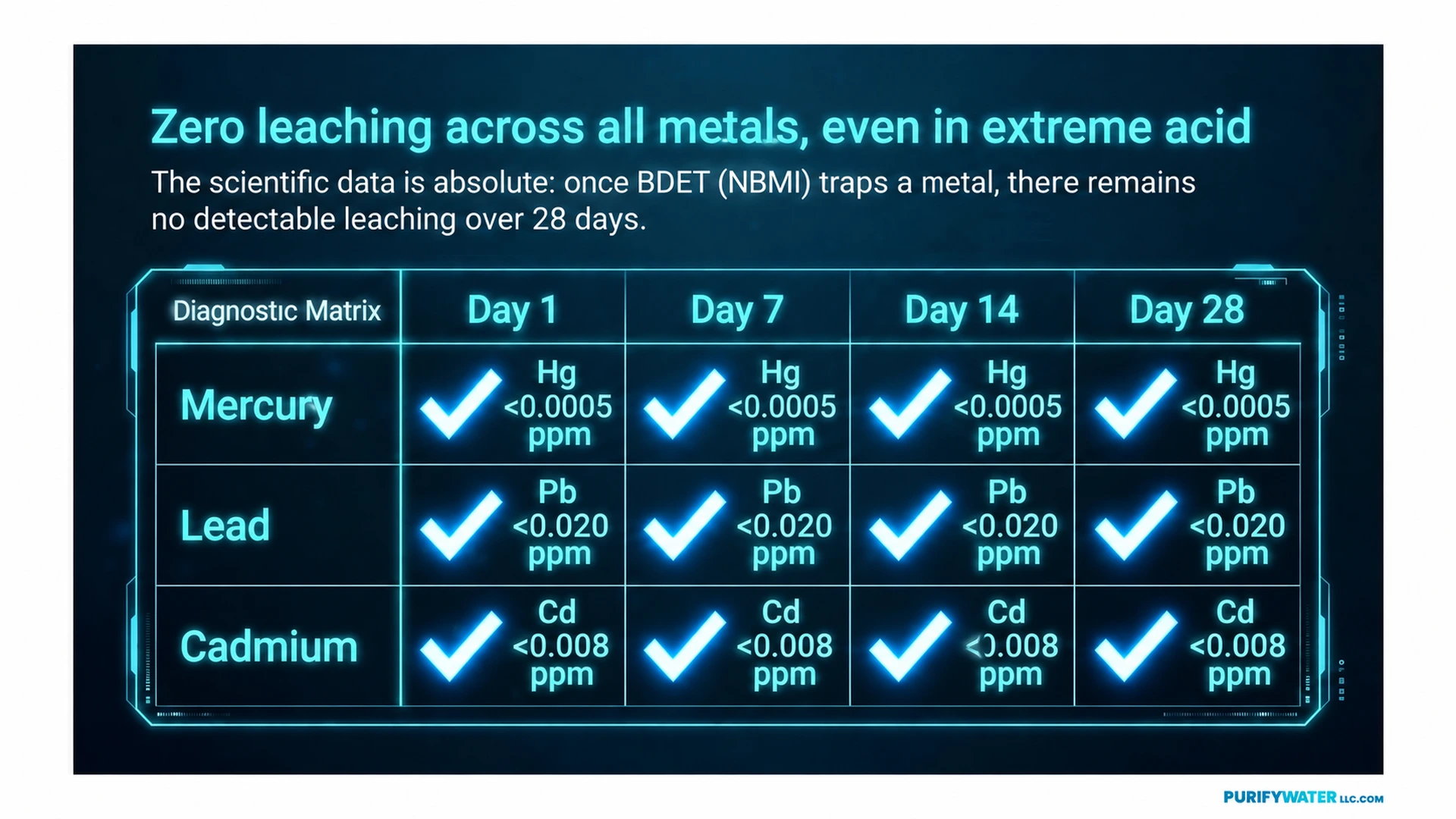
In a comprehensive 28-day leaching study, precipitates of BDET-Cd, BDET-Hg, and BDET-Pb were submerged in highly aggressive acidic solutions (pH 1 and pH 3). Even after nearly a month in concentrated acid (pH 1), metal leaching remained completely below analytical detection limits across the board.
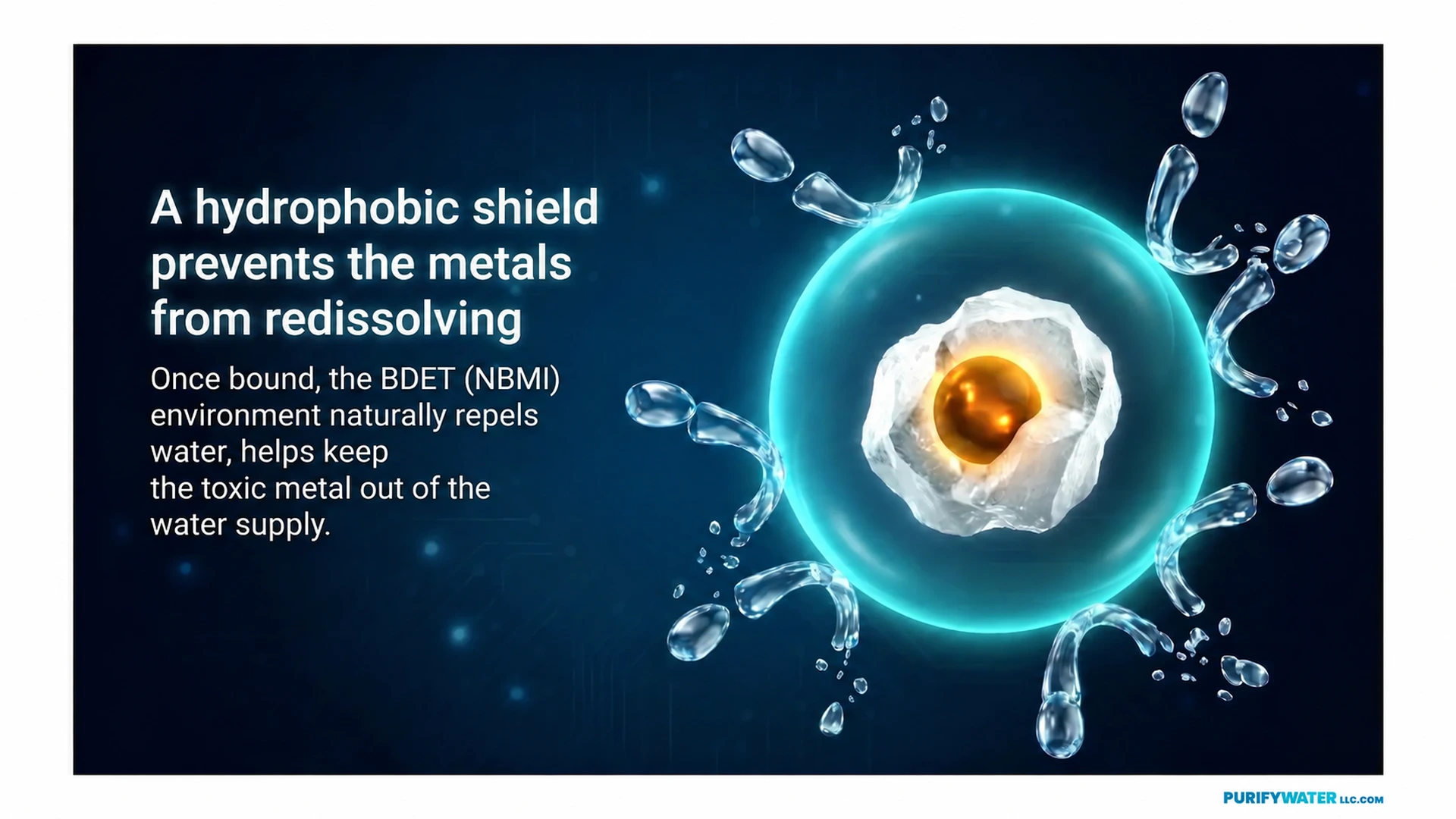
The scientific mechanism behind this extreme acid resistance lies in the hydrophobic nature of the ligand environment. The surrounding molecular structure shields the inner metal atoms, preventing water-soluble acidic hydronium ions (H3O+) from accessing and breaking the strong covalent metal-sulfur bonds.
28-Day Acid Leaching Study Results
| Metal Type | pH Level | Day 1 (ppm) | Day 7 (ppm) | Day 14 (ppm) | Day 28 (ppm) |
|---|---|---|---|---|---|
| Cadmium (Cd) | pH 1 | <0.008 | <0.008 | <0.008 | <0.008 |
| Cadmium (Cd) | pH 3 | <0.008 | <0.008 | <0.008 | <0.008 |
| Mercury (Hg) | pH 1 | <0.0005 | <0.0005 | <0.0005 | <0.0005 |
| Mercury (Hg) | pH 3 | <0.0005 | <0.0005 | <0.0005 | <0.0005 |
| Lead (Pb) | pH 1 | <0.020 | <0.020 | <0.020 | <0.020 |
| Lead (Pb) | pH 3 | <0.020 | <0.020 | <0.020 | <0.020 |
(Note: Cadmium and Lead concentrations measured via ICP-OES detection limits; Mercury measured via CVAA detection limits).
4. Nature-Inspired Molecular Engineering (How BDET (NBMI) Mimics Biological Mercury Traps)
The secret to the extreme stability and affinity of BDET (NBMI) lies in its molecular binding geometry, which was intentionally engineered to mirror biological heavy-metal detoxification mechanisms.
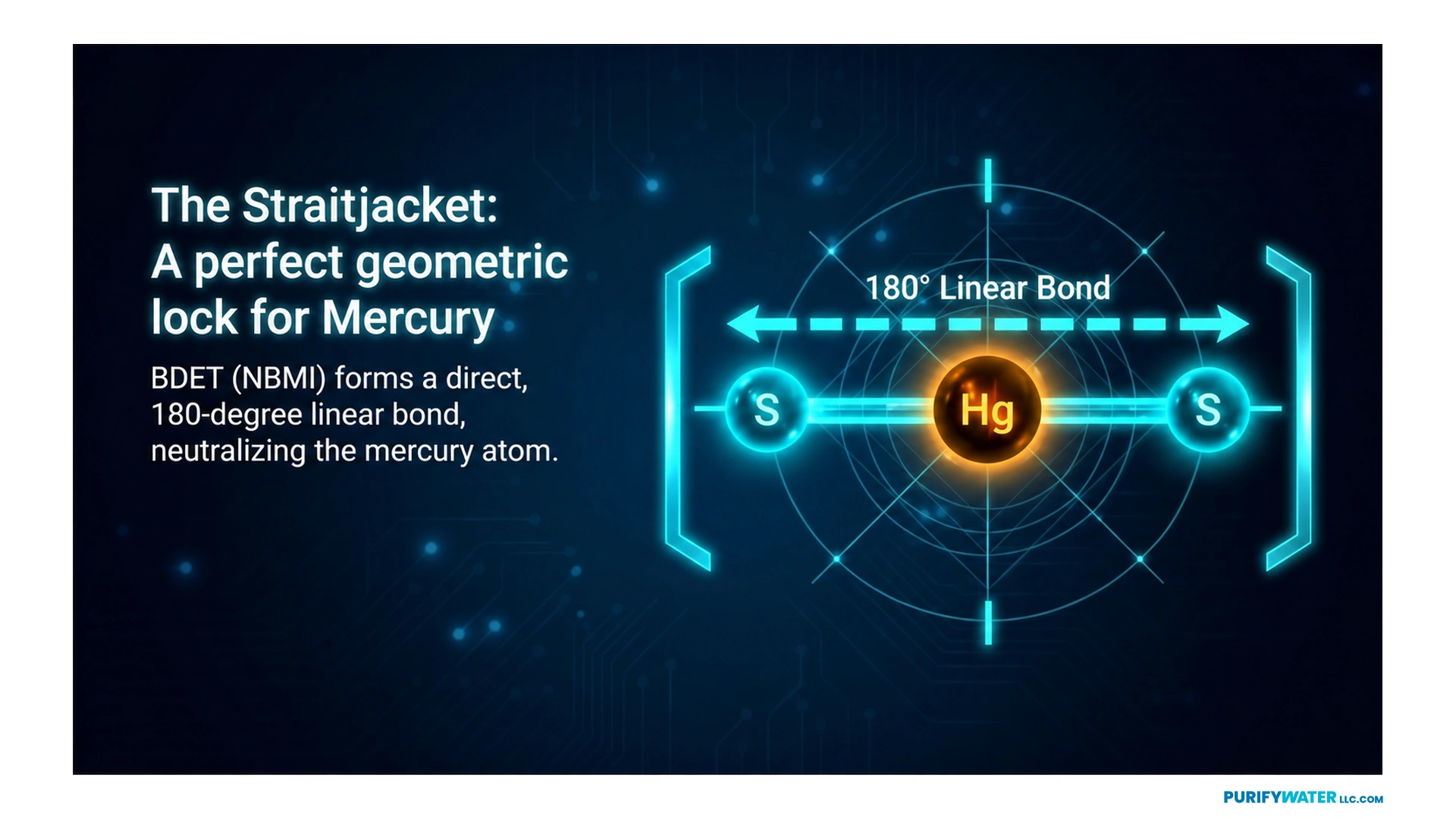
When binding Mercury (Hg), BDET (NBMI) forms a linear S-M-S geometry with a bond angle ranging from 168.5° to 172°, utilizing two strong covalent sulfur bonds. This linear coordination precisely replicates the MerP protein—a natural biological transport protein that captures mercury via cysteine groups at a 177° angle. While conventional synthetic ligands struggle with soft-metal selectivity, BDET (NBMI) leverages this exact bio-inspired linear angle to achieve near-total selectivity for mercury, even when operating in complex, multi-metal industrial waste streams.
This rigid linear architecture is validated by advanced spectroscopic analysis:
- Solid-State 199Hg MAS NMR: Solid-state NMR analysis yielded no detectable 199Hg signal. In solid-state physics, linear Hg-S complexes feature massive chemical shift anisotropy (>4000 ppm), which broadens the signal across spinning sidebands until it becomes undetectable—providing definitive indirect proof of a rigid, linear S-Hg-S bonding environment identical to linear model compounds.
- EXAFS Fitting: Extended X-ray Absorption Fine Structure (EXAFS) analysis at the Hg L(III)-edge returned an Hg-S bond distance of 2.42 Å, further establishing two-coordinate sulfur binding.
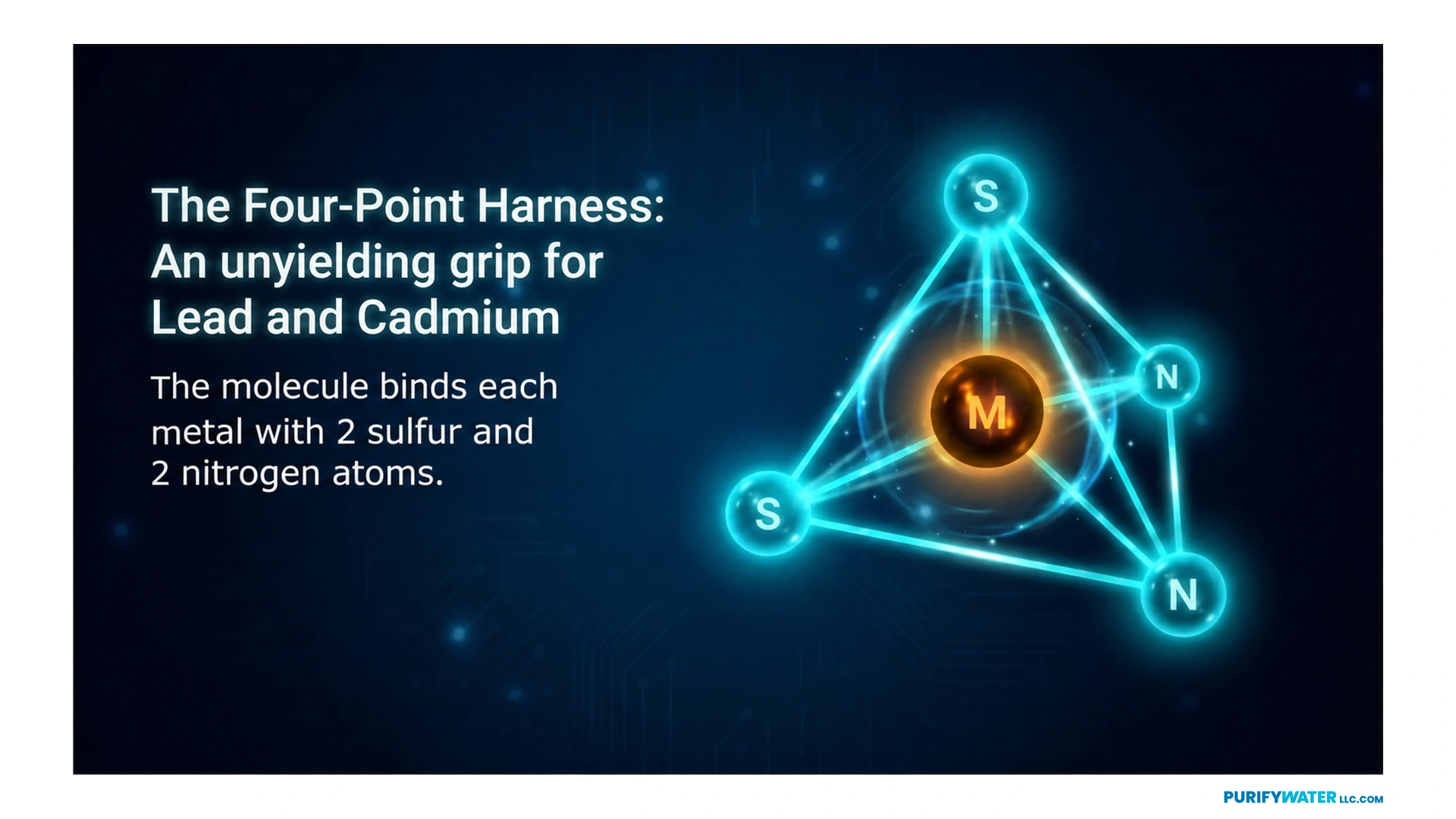
For Cadmium (Cd) and Lead (Pb), the molecular ligand expands to provide a four-coordinate, distorted tetrahedral (Td) geometry. While Pb(II) cations naturally display extreme structural flexibility—adopting coordination numbers anywhere from 2 to 12 in chemical literature (with 4-coordination present in ~24% of complexes)—BDET (NBMI) specifically forces a discrete 4-coordinate environment utilizing two covalent S-Pb bonds complemented by secondary nitrogen atom coordination.
"By replicating the exact linear sulfur binding geometry found in natural proteins like MerP, synthetic chemistry has successfully recreated nature’s most refined defense mechanism against mercury toxicity."
5. Bulletproof Insolubility Across 22 Common Solvents
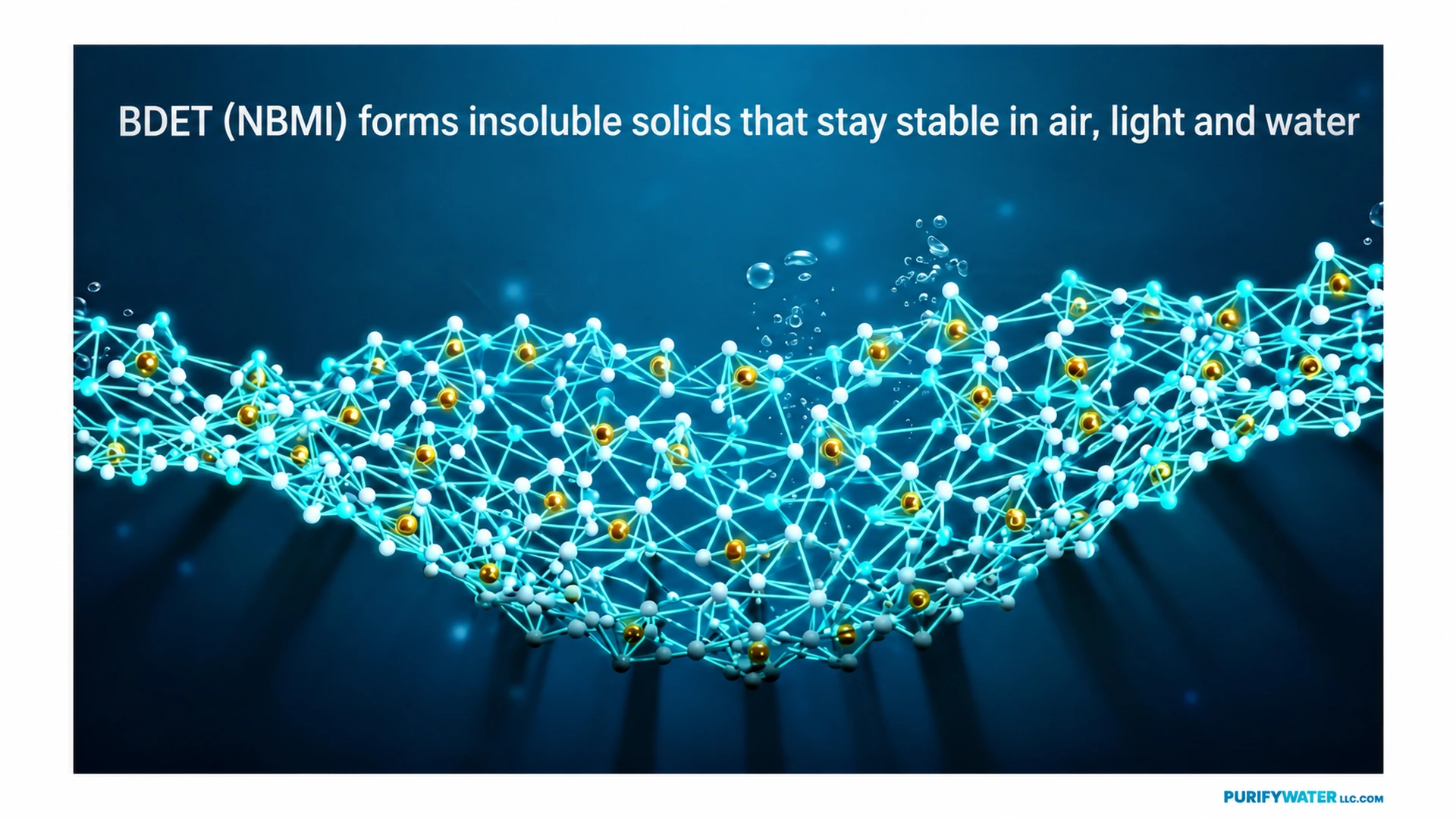
Once BDET (NBMI) binds a heavy metal, the resulting compound cannot be broken down by organic solvents or severe environmental weathering.
Laboratory testing verified that BDET-Cd, BDET-Hg, and BDET-Pb precipitates are completely insoluble across more than 22 common laboratory solvents and solvent systems, including:
- Aqueous & Alcoholic Systems: Water, ethanol, methanol, water/methanol, and water/ethanol mixtures.
- Polar & Non-Polar Organics: Acetone, chloroform, dichloromethane, dimethylsulfoxide (DMSO), DMSO/water, dimethylformamide (DMF), ethyl acetate, tetrahydrofuran (THF), diethyl ether, acetonitrile, acetonitrile/water, hexanes, toluene, nitrobenzene, nitromethane, and carbon disulfide.
- Acidic Solutions: 10% acetic acid.
Thermogravimetric Analysis (TGA) confirms exceptional thermal stability across all three metal complexes:
- BDET-Cd: Remains stable up to 77 °C, undergoing a minor weight loss of 3.19% between 77 °C and 272 °C.
- BDET-Hg: Exhibits high thermal stability up to 239 °C, showing multi-stage mass losses between 239 °C and 383 °C.
- BDET-Pb: Resists thermal degradation up to 280 °C.
Crucially, TGA curves demonstrate that when thermal degradation occurs at high temperatures, all three complexes decompose cleanly without producing stable intermediate products. Mass spectrometry further fingerprints these complexes, showing primary ligand fragment peaks at m/z=282 corresponding to [M+−Metal], alongside signature isotopic clusters for Cd (m/z=110,111,112), Hg (m/z=198–204), and Pb (m/z=206,207,208).
Together, this complete insolubility, clean thermal breakdown, and spectroscopic footprint confirm that BDET (NBMI) forms a bridging, polymeric structure ([−Hg−S∼S−]n) rather than a simple monomeric salt—permanently encapsulating toxic metals in an indestructible matrix.
6. Conclusion: A Cleaner Future for Industrial Water
As regulatory limits on heavy metal discharges continue to tighten globally, conventional chemical treatment methods fall short of providing permanent safety. BDET (NBMI) from Purify Water LLC represents a paradigm shift in environmental remediation. By combining rapid precipitation speed, non-leaching stability in extreme acid, nature-inspired binding geometries, and permanent polymeric insolubility, BDET (NBMI) ensures that trapped toxins remain out of our environment permanently.
How soon will your facility transition toward permanent, non-leaching water remediation technologies to safeguard our global water supply against toxic heavy metals?
*Click any graphic to view a larger version.