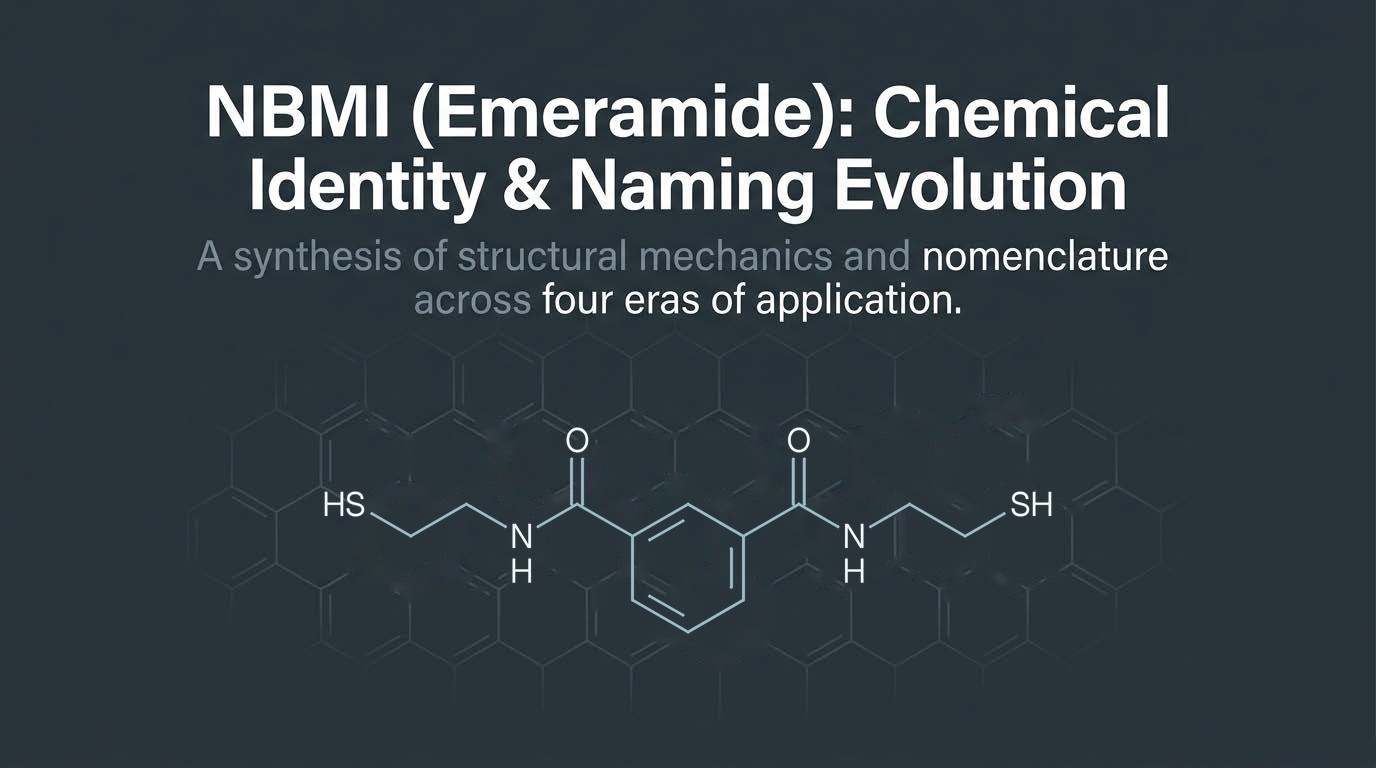
Executive Summary
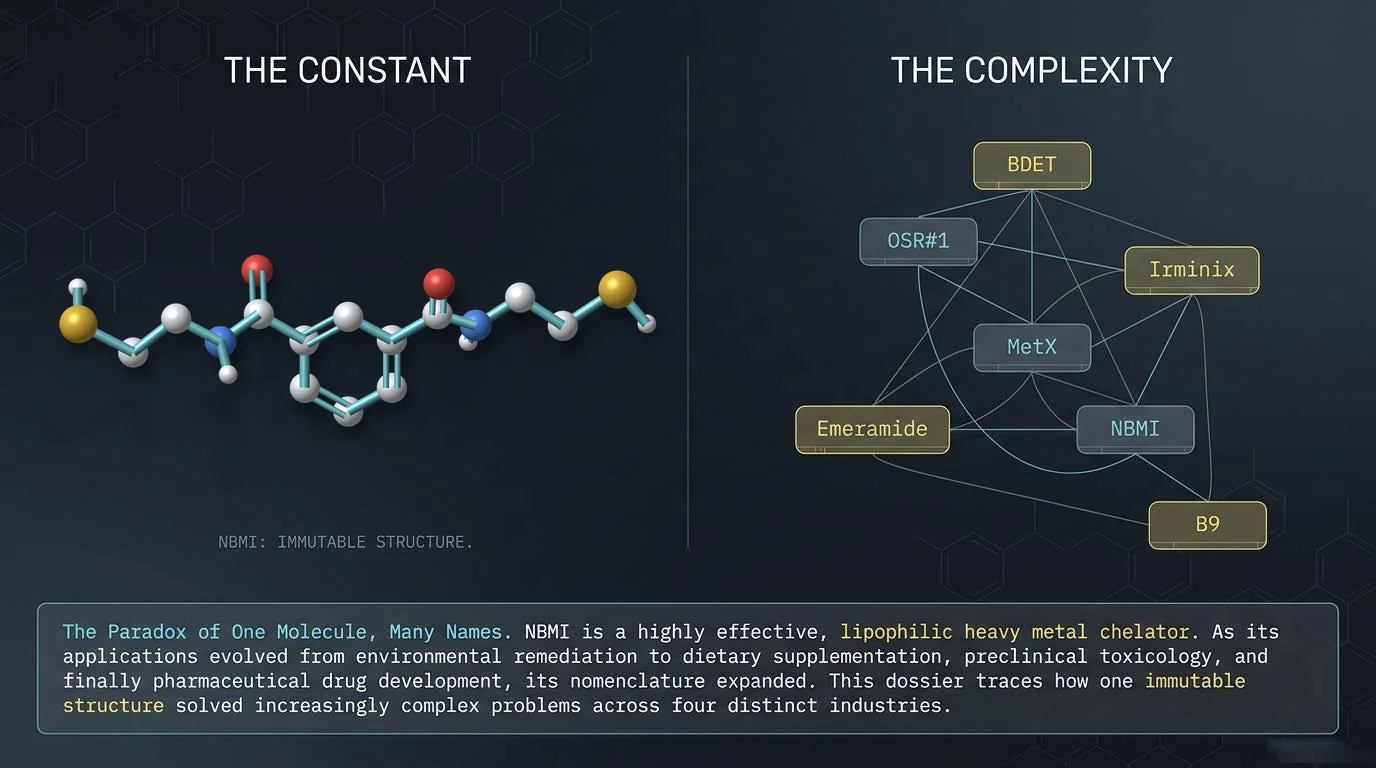
This research report provides a detailed examination of the molecule NBMI (N,N’-bis(2-mercaptoethyl)isophthalamide), synthesizing insights from both pre-existing notebook literature and web sources. The document outlines its precise chemical structure, molecular properties, and the step-by-step evolution of its nomenclature across environmental chemistry, dietary supplementation, preclinical toxicology, and formal clinical drug development.
Watch:
NBMI Chemical Evolution
1. Chemical Structure & Molecular Architecture
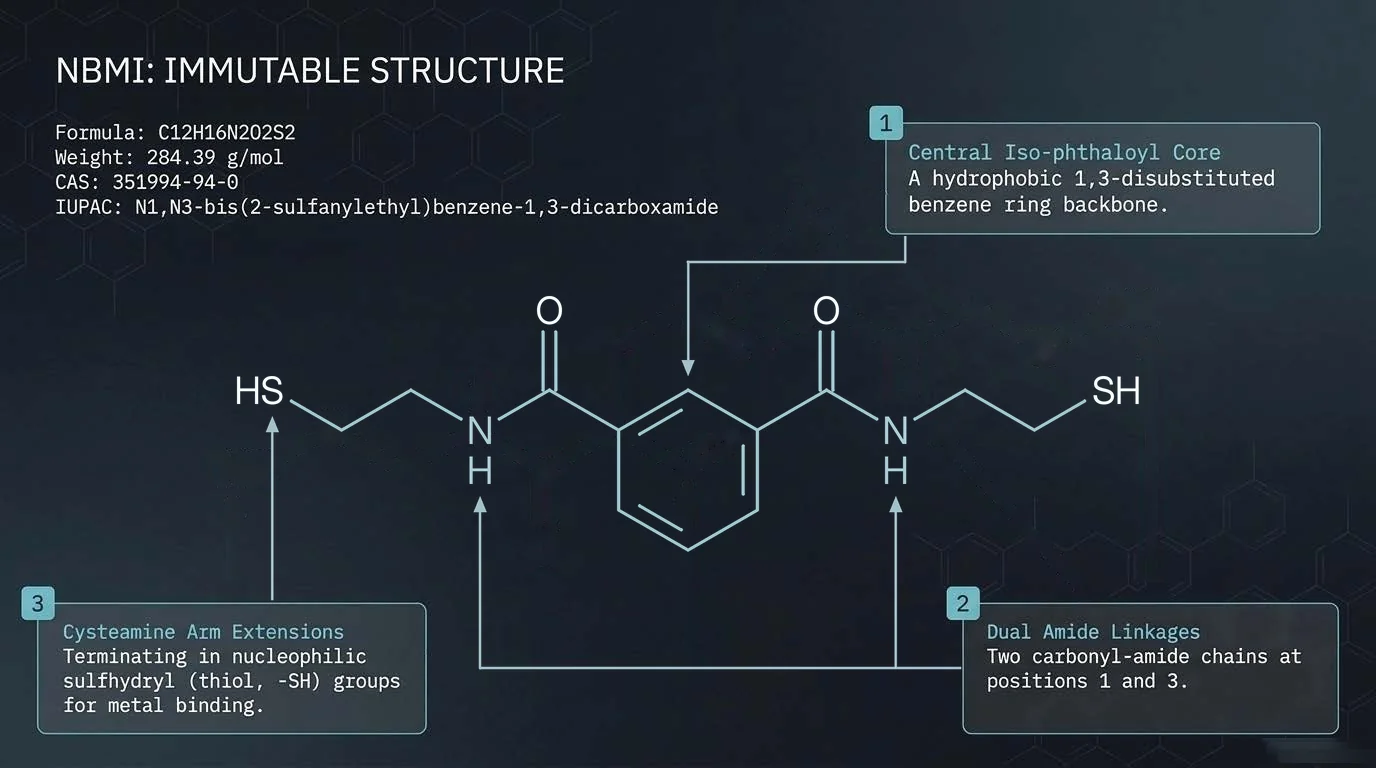
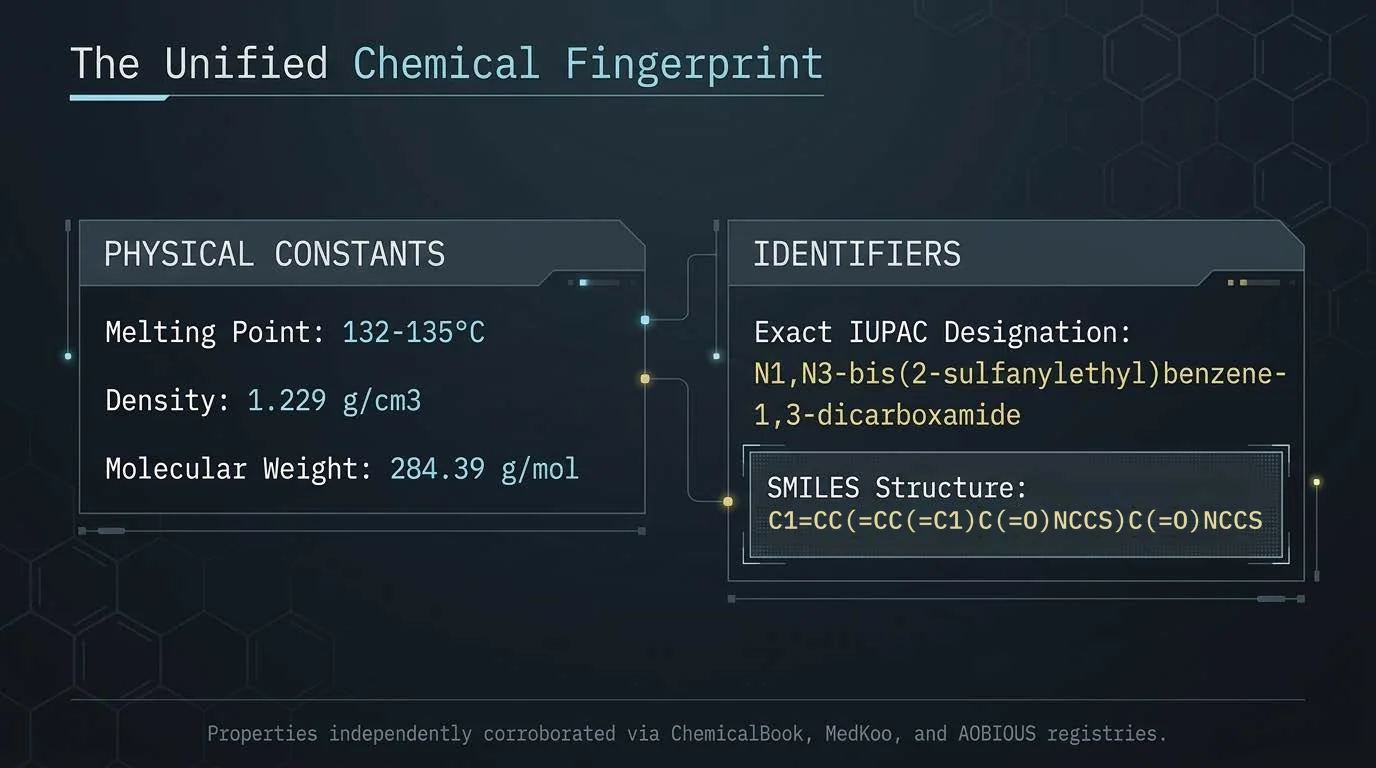
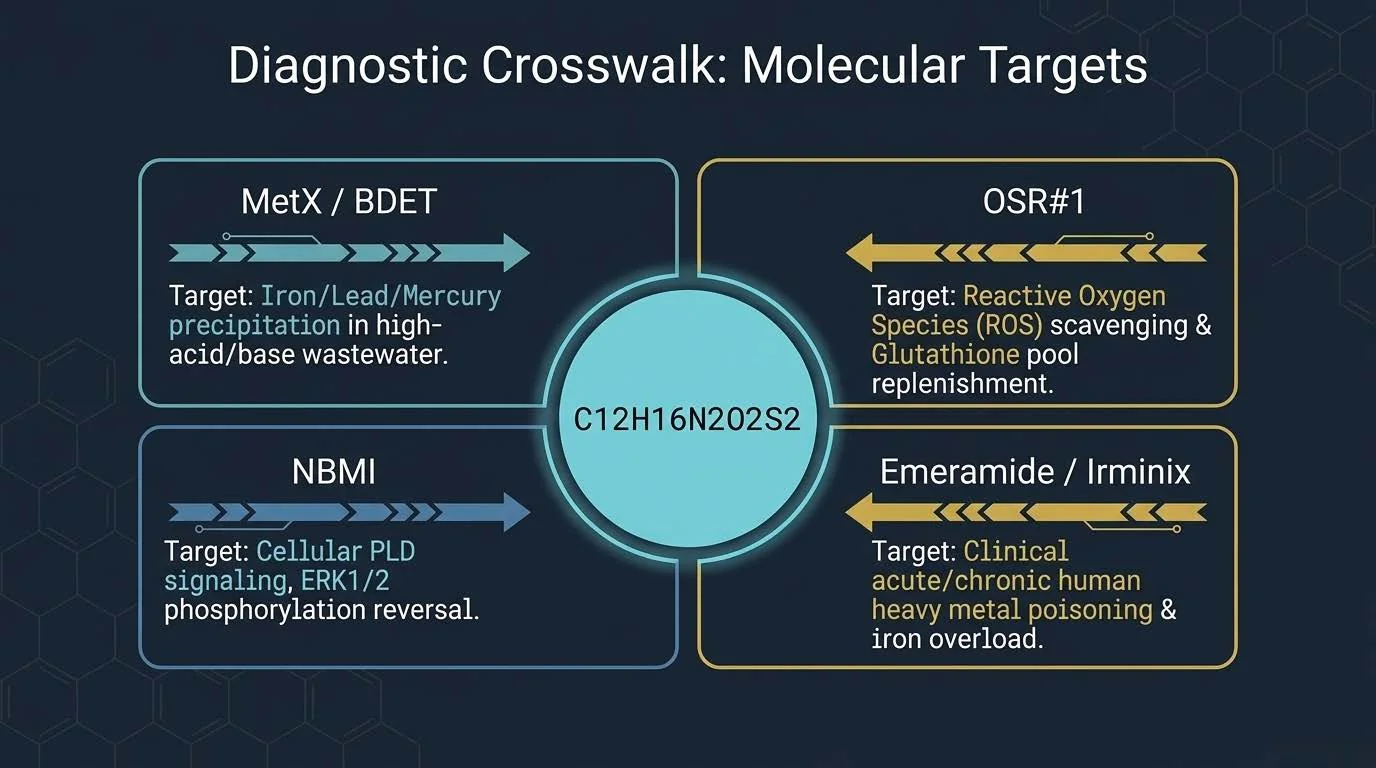
- Chemical Formula: C12H16N2O2S2
- Molecular Weight: 284.39 g/mol
- IUPAC / Systematic Name: N1,N3-bis(2-sulfanylethyl)benzene-1,3-dicarboxamide (also designated 1,3-benzenediamidoethanethiol)
- CAS Registry Number: 351994-94-0
- Key Structural Features:
- Central Iso-phthaloyl Core: A hydrophobic 1,3-disubstituted benzene ring backbone.
- Dual Amide Linkages: Two carbonyl-amide chains attached at positions 1 and 3 of the benzene ring.
- Cysteamine Arm Extensions: Each arm terminates in a nucleophilic sulfhydryl (thiol, -SH) group.
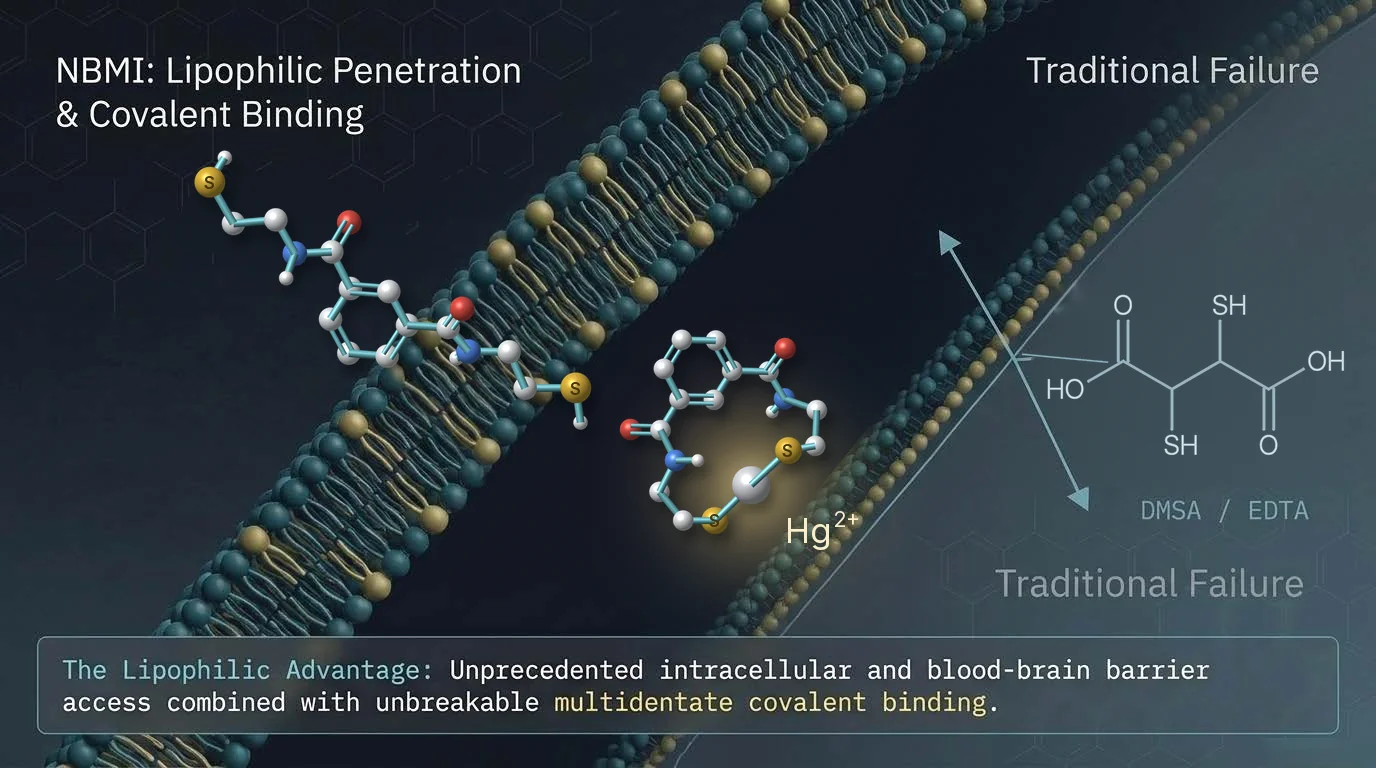
- Lipid Solubility: Unlike traditional hydrophilic heavy metal chelators (such as DMSA or EDTA), the aromatic ring and amide linkages grant NBMI high lipophilicity, allowing it to readily cross cell membranes and reach the inside of cells. In rats, orally given NBMI reached the brain (Clarke et al., 2012).
- Chelation Mechanism: The molecule functions as a multidentate lipophilic ligand. The two sulfur atoms form exceptionally strong, covalent/coordination bonds with soft heavy metals (particularly Hg2+, Pb2+, and Cd2+), effectively locking the metal in a stable, insoluble, non-toxic complex.
2. Historical & Naming Evolution Across Fields
NBMI was invented in Dr. David Atwood’s lab at the University of Kentucky, and the patent is held by the University of Kentucky Research Foundation. Around 2006–2007, Dr. Boyd Haley’s company licensed it from the university for therapeutic use, then spent years making it a drug candidate: he refined the synthesis, worked with contract manufacturers to scale it to pharmaceutical-grade purity, and earned his own patents on its medical uses.
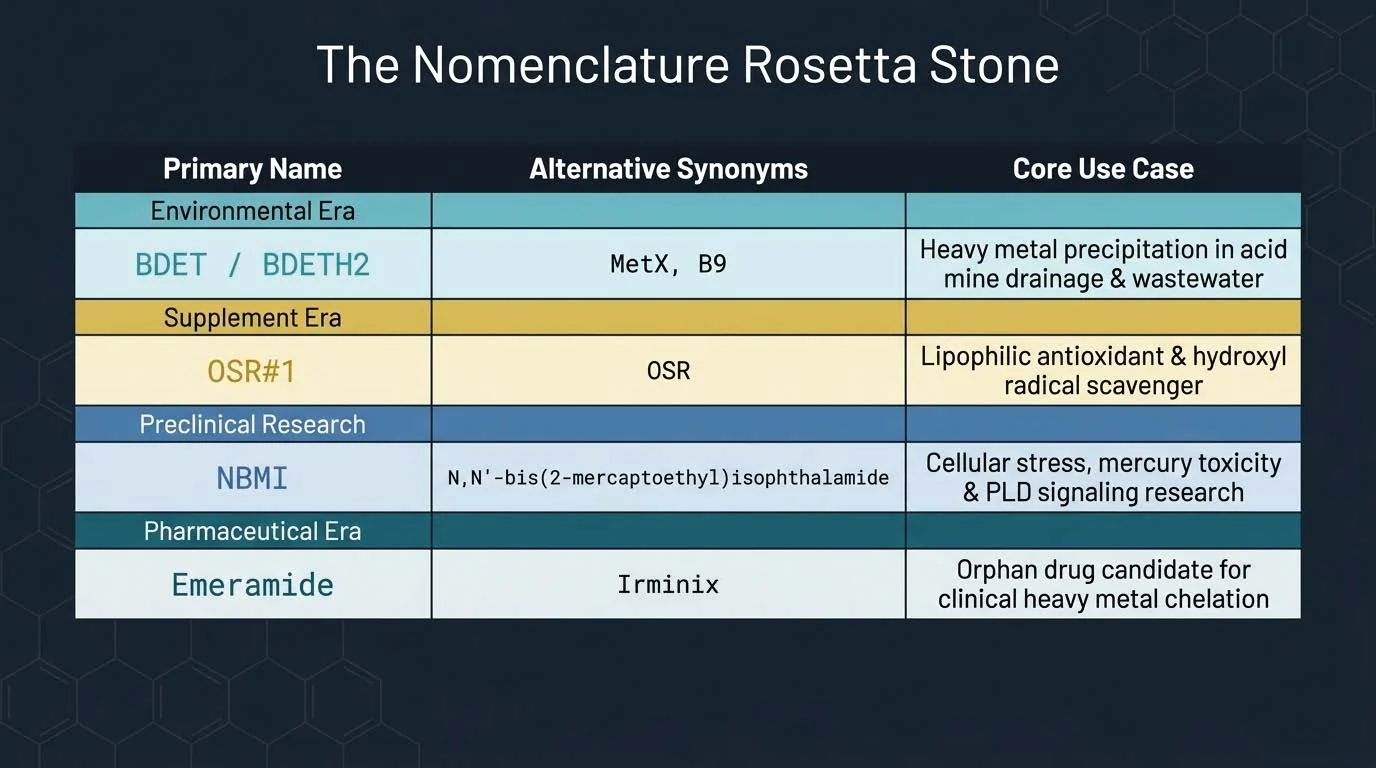
The designation of this molecule has evolved through distinct stages as its application shifted from environmental engineering to clinical medicine:
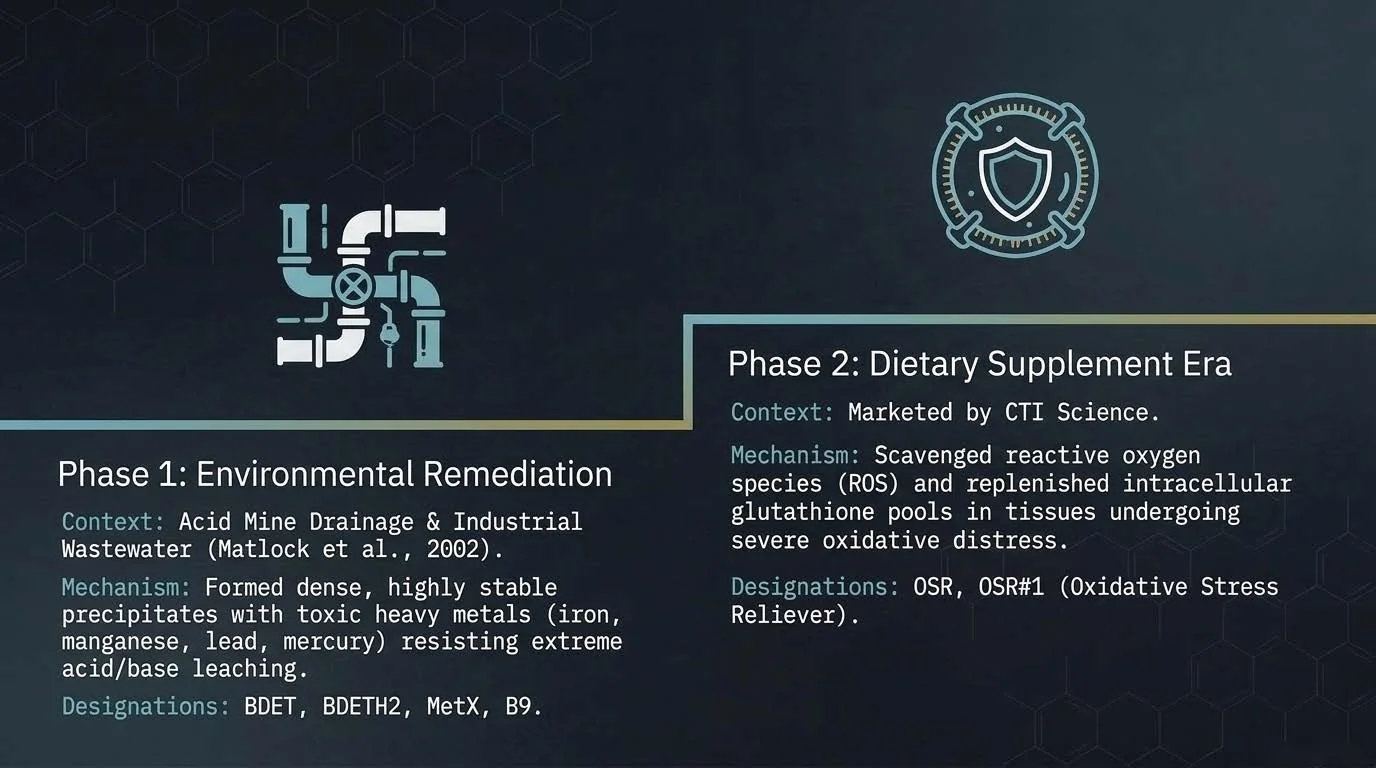
Phase 1: Environmental Remediation (BDET / BDETH₂ / MetX)
- Designations: BDET, BDETH2, MetX, B9.
- Context: Invented in Dr. David Atwood’s lab at the University of Kentucky as a heavy metal precipitant.
- Primary Application: Applied in environmental engineering to treat acid mine drainage (AMD) and industrial wastewater (Matlock et al., 2002). BDET bound toxic metals such as iron, lead, and mercury, forming highly stable precipitates that resisted leaching across extreme acid and base conditions. In one acid mine drainage sample, it lowered dissolved iron from 194 ppm to below 0.009 ppm (Matlock et al., 2002).
Phase 2: Early Commercial & Dietary Supplement Era (OSR / OSR#1)
- Designations: OSR, OSR#1 (Oxidative Stress Reliever).
- Context: Marketed briefly as a lipophilic antioxidant dietary supplement by CTI Science. About 2.5 million doses of OSR#1 were sold from 2008 to 2010 with no reported safety issues.
- Primary Focus: Highlighted for its ability to scavenge reactive oxygen species (ROS) and replenish intracellular glutathione pools in tissues undergoing severe oxidative distress.
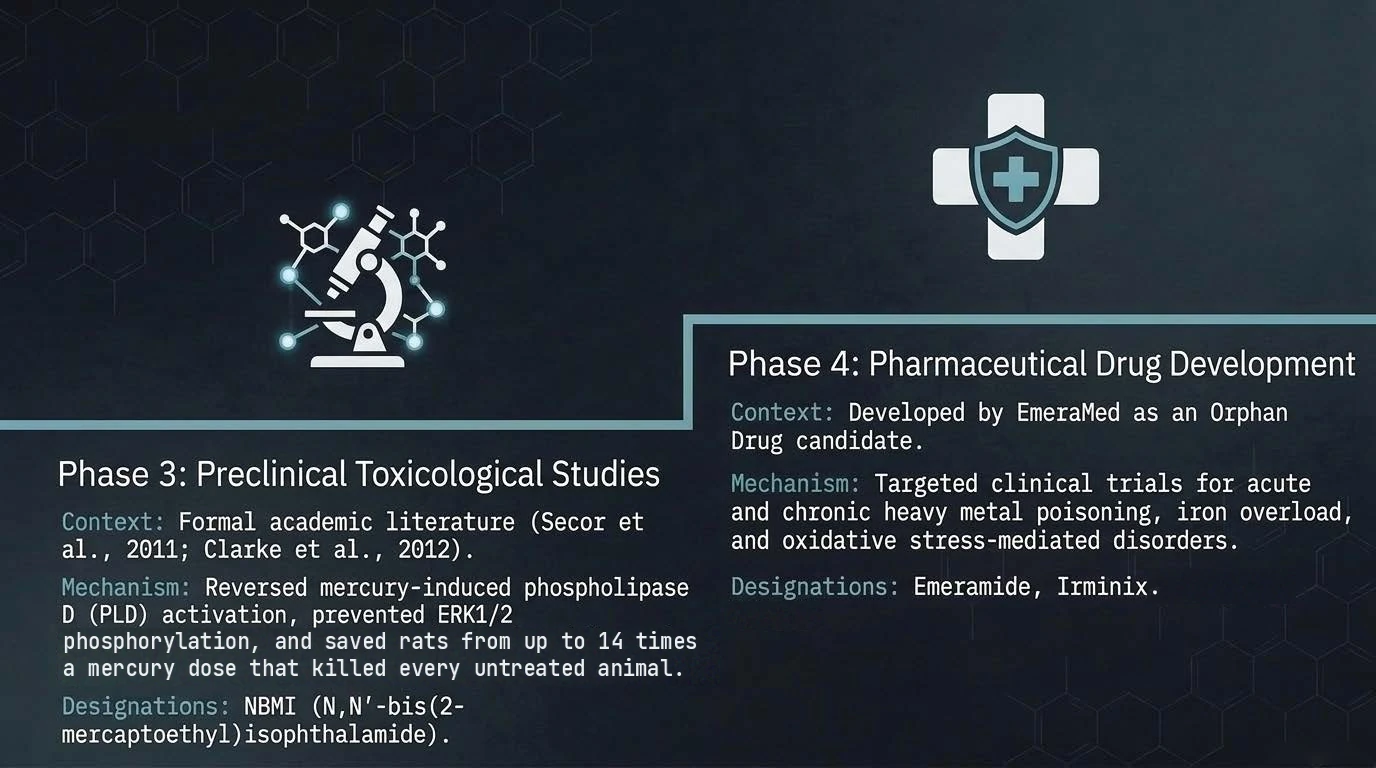
Phase 3: Preclinical Toxicological Studies (NBMI)
- Designations: NBMI (N,N’-bis(2-mercaptoethyl)isophthalamide).
- Context: Adopted in formal academic preclinical literature (e.g., Secor et al., 2011; Clarke et al., 2012).
- Primary Discoveries: Investigated in rodent models and cell culture lines. Studies showed NBMI reversed mercury-induced phospholipase D (PLD) activation, prevented ERK1/2 phosphorylation, and restored intracellular glutathione levels. NBMI saved rats from up to 14 times a mercury dose that killed every untreated animal (Clarke et al., 2012).
Phase 4: Pharmaceutical Drug Development (Emeramide / Irminix)
- Designations: Emeramide, Irminix (developed by EmeraMed).
- Context: Formal drug development pipeline as an orphan drug candidate.
- Primary Target: Clinical trials for acute and chronic heavy metal poisoning (mercury, lead), iron overload, and oxidative stress-mediated disorders.
- Iron Overload Research: In mice, NBMI lowered liver iron by 53% (Cheng et al., 2022, Archives of Toxicology). In a 28-day Phase 2a study of 13 patients with thalassemia (EMERA007), ferritin held steady.
*Click any graphic to view a larger version.